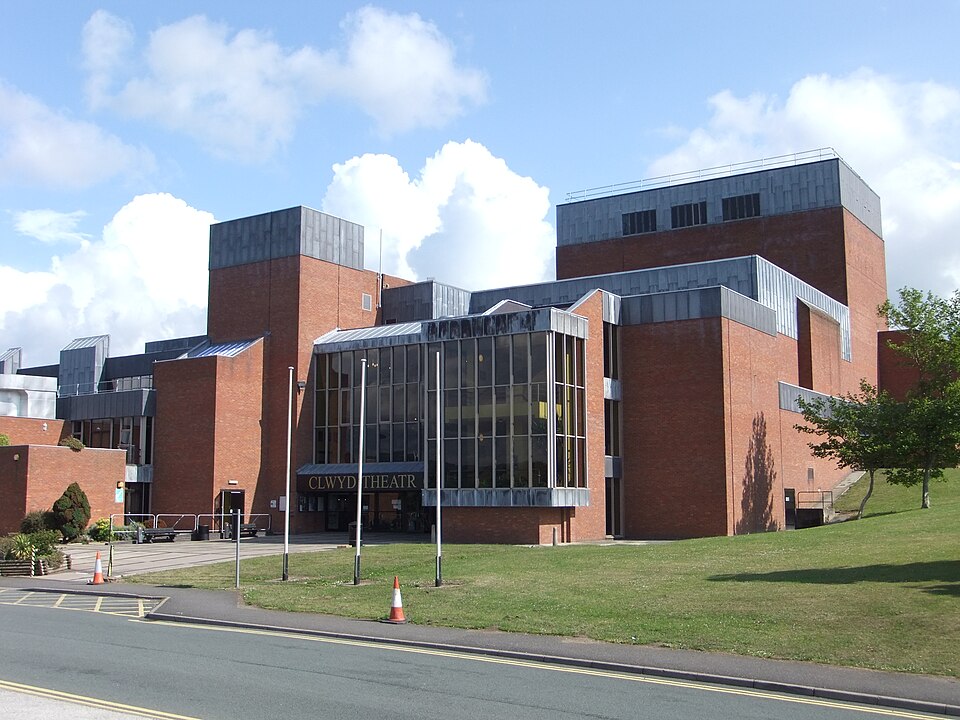
The landscape of Welsh theatre has shifted significantly this week with Theatr Clwyd’s unveiling of Stiwdio Clwyd, a major new infrastructure project designed to incubate talent within Wales rather than seeing it drain away to London or Manchester. Artistic Director Kate Wasserberg and Executive Director Liam Evans-Ford have positioned this not merely as a workshop series, but as a “watershed moment”—a systemic change in how the nation nurtures its storytellers.
Breaking the Exodus Cycle
For decades, a common grievance in the Welsh arts sector has been the necessity of leaving the country to secure high-level development opportunities. Stiwdio Clwyd aims to arrest this exodus by establishing a permanent, nationwide development hub. By formalizing this support structure, Theatr Clwyd is asserting itself as a powerhouse for R&D (Research and Development), ensuring that Welsh voices have the resources to refine their craft on home soil before exporting their work globally.
Heavy Hitters at the Helm
The seriousness of this endeavor is underscored by the caliber of industry titans attached to the launch programme. The inclusion of Russell T Davies—perhaps the most significant voice in British television drama—signals that this scheme bridges the gap between stage and screen writing. Furthermore, the involvement of Daniel Evans, Artistic Director of the Royal Shakespeare Company (and a Rhondda native), provides a direct lineage to the highest echelons of classical and contemporary theatre.
The Programmatic Scope
While specific curriculum details will evolve, the launch emphasizes three core pillars:
- Skill Transfer: Direct mentorship from established icons like Davies and Evans.
- Networking: Connecting emerging Welsh makers with the broader UK industry without requiring relocation.
- Production Pathways: Creating tangible routes for developed scripts and concepts to reach the stage.
This initiative suggests that Theatr Clwyd is moving beyond the remit of a producing house to become a foundational institution for the entire Welsh cultural ecology. If successful, Stiwdio Clwyd could serve as the blueprint for regional arts regeneration across the UK.


