The interesting thing about London Fashion Week, which runs from 17 to 21 September 2026, is how much of it is not in London and not a fashion show.
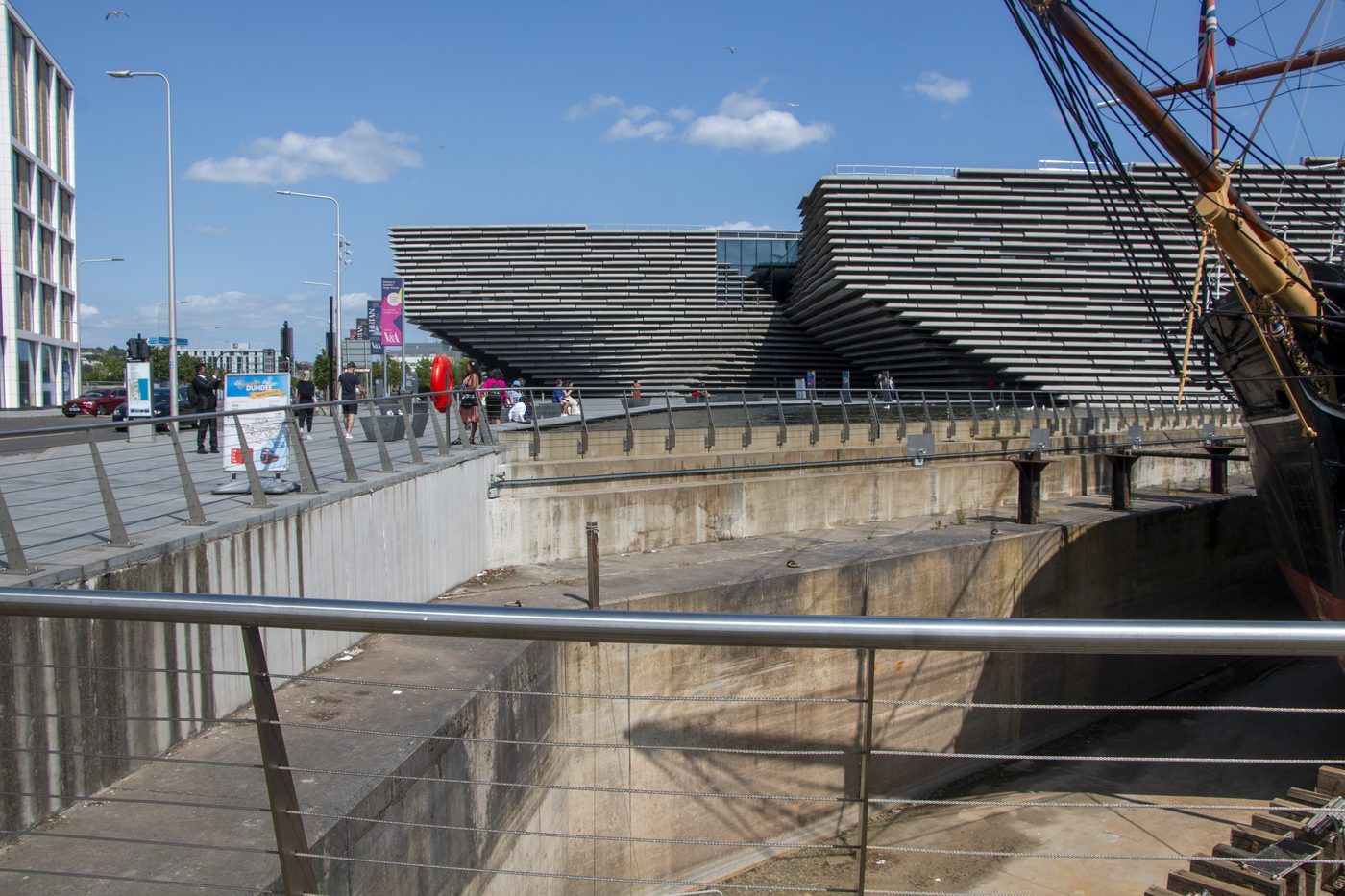
The catwalks themselves remain what they have always been: invitation-only, industry-only, closed. What has changed is the programme that now surrounds them. Fashion Britain, the British Fashion Council’s public strand, lists more than a thousand events across Bristol, Dundee, Edinburgh, Liverpool, London, Manchester and Newcastle. Its anchors are not fashion venues but art institutions – V&A Dundee, Baltic in Gateshead, the Walker in Liverpool, Manchester Art Gallery, M Shed in Bristol, East Bank in London.
This sits inside the council’s Strategy 2030, built around access, creativity and growth. Laura Weir, the BFC’s chief executive, has described the regional programme as being about decentralising fashion.
What decentralising actually looks like
A museum in Dundee hosting fashion during London Fashion Week is a small act with a large implication. It says the week is a national season rather than a London event that the rest of the country reads about afterwards – and it places fashion inside the same buildings that hold the region’s art collections, which changes who sees it and how seriously it is taken.
The same logic runs through the schedule in London. Birmingham City University presents a showcase, part of the council’s stated aim of highlighting emerging talent from outside the usual studios. Geordie Campbell arrives on the menswear schedule. Neither is framed as a regional curiosity; both are simply on the list.
Sound, ritual and the refusal of the runway
Two events this season abandon the runway as a device, and both replace it with something closer to a rite.
The label 5000, supported by the Paul Smith Foundation, unveils a new collection through an immersive sound bath: an audience held inside sustained tone rather than seated along a raised platform. J.L-A.L stages an immersive presentation followed by an afterparty with Puma. Saul Nash, a designer whose work has always been closer to choreography than to styling, presents Masquerade at the Truman Brewery. At East Bank, Music Is Black brings FLOHIO and the Blues Project.
What these share is duration. A runway show is eight minutes of frontal images optimised for a camera. A sound bath cannot be photographed usefully at all. Choosing the second means accepting a smaller audience in exchange for an experience that has a beginning and an end rather than a highlight reel – an old argument in performance art, arriving in fashion through the side door.
The city that is not the centre
There is a further layer. The Chelsea Arts Festival runs alongside the week, the National Gallery hosts a panel with the British Fashion Council and ELLE UK, and London Design Festival and Frieze Sculpture are open across the same days. Fashion in September is not a discipline holding its own event; it is one strand in a fortnight where design, sculpture and clothing share an audience.
For a publication that looks at culture from outside the capital, this is the useful reading of the season. The centre still exists – the invitations, the front rows, the houses returning with new creative directors. But the things worth travelling for are increasingly at the edges: a university showcase, a gallery in Gateshead, a room full of sound in which a collection is revealed without a single model walking towards a photographer.
Provincial is not a lesser word. It describes the position from which you can see the whole arrangement, including the part the centre takes for granted.
It began in a car park
The decentralised version of the week is closer to its origins than the glossy version is. The British Fashion Council was founded in 1983, and the first London Fashion Week was held in 1984 in a car park at the Commonwealth Institute in Kensington: fifteen shows, among them Vivienne Westwood, Ghost and Betty Jackson. The week only acquired an institutional address much later – Somerset House from 2009 to 2015, then 180 Strand from 2017 – and gave it up again in February 2020.
Since then there has been no centre, only a schedule. Once you accept that, the regional programme stops looking like outreach and starts looking like the same organism doing what it did at the start: using whatever room is available.
Who the regional programme is actually for
Two audiences meet in it, and they want different things.
The first is the visitor who will never receive an invitation, and for whom a panel at Manchester Art Gallery or a talk at V&A Dundee is not a consolation prize but the only version of the event that was ever going to be accessible. The scale here is real: more than a thousand events, in seven cities, over five days.
The second is the designer who lives outside London and has been told, correctly, that the industry is concentrated in one postcode. A university showcase on the London schedule and a national programme with institutional venues do not remove that concentration. They do make the first step shorter, and they put regional work in front of the same audience rather than a smaller one.
What criticism owes these formats
A sound bath does not review well. Neither does a masquerade, a choreographed presentation or a room in a gallery where clothing is shown between paintings. The standard fashion review – a list of looks, a verdict on the silhouette – has nothing to say about any of them.
That is a gap worth filling rather than complaining about. The tools already exist in performance criticism: duration, proximity, what the audience is asked to do, what the room does to the work. Applied to a collection revealed inside sustained sound, they produce a more honest account than a gallery of frontal images ever could.
Fashion spent a century teaching people to look at clothes from the front, in a line, at speed. The most interesting part of this September is happening to one side of that line, and mostly outside the city that gives the week its name.
Sources: the British Fashion Council’s Fashion Britain programme, the provisional London Fashion Week schedule (20 July 2026, subject to change), and the guide to the week published by the London BGTC Society.
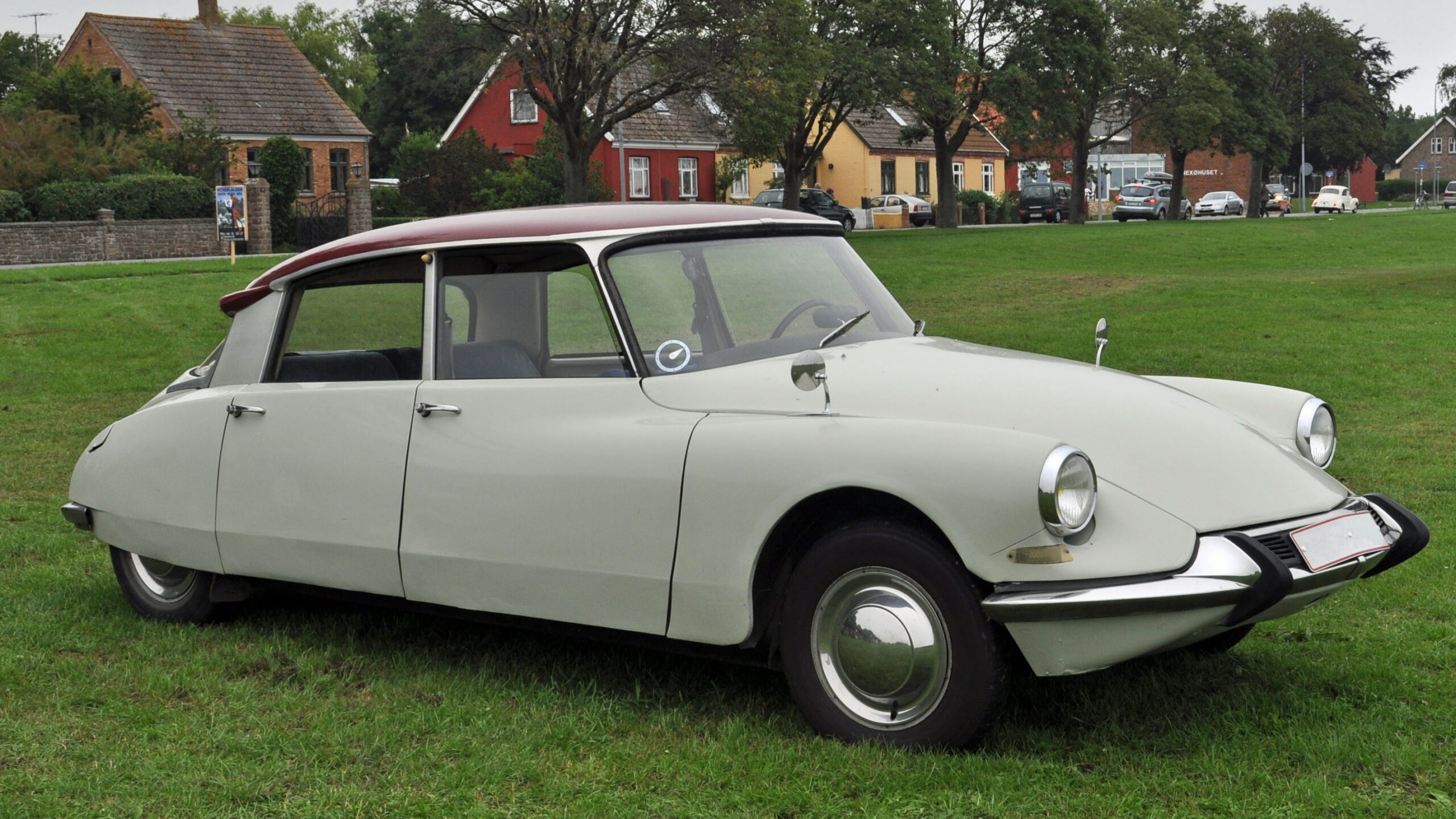
Park a 1959 Cadillac next to a 2020s electric crossover and you are looking at two arguments about what it means to be modern, made in steel and glass. The car is one of the most revealing design objects of the last century precisely because it is so public. We wear our houses on the inside; we wear our cars on the road, where everyone can read them. Automotive design is portraiture by other means — and the portrait is partly of ourselves.
The history of the car’s shape is a history of feeling. The tail fins of the late 1950s were not aerodynamic; they were optimism, a borrowed vocabulary from jet aircraft and the space race, fins that said the future was arriving and it would be fast and chromed. The boxy, upright cars of the 1970s and 80s spoke of a different mood — pragmatism, oil shocks, a retreat from fantasy. The soft, jelly-mould aerodynamics of the 1990s smoothed those anxieties away. Each era’s cars look, in retrospect, like a diagram of its hopes.
Great car designers have always understood that they were shaping meaning, not just metal. Battista “Pinin” Farina, whose studio gave form to generations of Ferraris, spoke of the line of a car the way a sculptor speaks of contour. The original Mini, the Citroën DS — which Roland Barthes famously compared to a Gothic cathedral, “the supreme creation of an era, conceived with passion by unknown artists” — and the first Porsche 911 are studied in design schools as seriously as any chair or building. They are functional objects that crossed, somewhere, into the territory of art.
The choices we make as buyers complete the picture. The car is among the most legible status symbols ever devised: brand, model, age, condition and cleanliness all broadcast a set of claims about income, values and self-image. The deliberately austere electric saloon, the restored classic, the enormous off-roader that never leaves the city — each is a costume, a statement about how its owner wishes to be read. We do not simply buy transport. We buy a sentence about ourselves and drive it around.
Now the form is changing again. Electrification has freed designers from the engine and the grille, the long bonnet that once dictated a car’s proportions. The result is a fresh argument about the future — cleaner, quieter, more screen than chrome — that future decades will read as clearly as we read those tail fins. The car will go on being a mirror. It always has been. The only question is what we will see in it next.
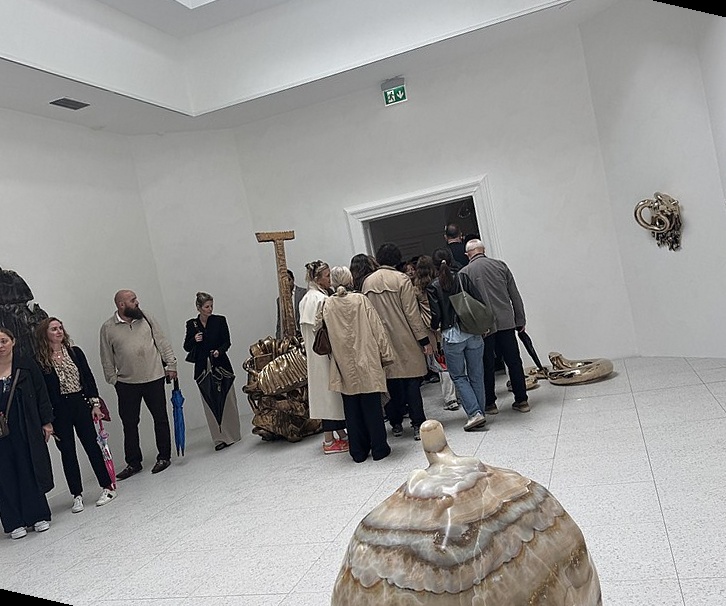
Venice is drowning. We know this. Yet we keep dragging ourselves back to the Giardini every two years like we owe the place money. Koyo Kouoh runs the show this time. “In Minor Keys”. That’s the theme. Sounds like a quiet apology before the exhibition even begins.
The original jury quit in April. Just walked out. A complete administrative collapse. So now they are letting tourists pick the winners. The Visitors’ Lions. Literal mob rule in the Arsenale. You have ninety-nine national pavilions desperately trying to grab the attention of people who just want a decent slice of pizza. It is a terrifying way to run an arts festival.
There is a kind of art that does not survive reproduction. You can know Rothko from a thousand prints and still be unprepared for the moment you stand before the real canvases in the Rothko Chapel in Houston, where the paintings seem to breathe in the changing light and the room enforces a silence that no gallery wall ever could. Some works are not images to be looked at but environments to be entered, and entering them requires getting out of the chair and going.
This is the quiet argument for the art pilgrimage. We live in an age of infinite access — every masterpiece a search away, rendered in resolution finer than the human eye can resolve. And yet the screen flattens. It removes scale, texture, the brushstroke’s small weather of light and shadow, the physical fact of standing in a space someone designed for exactly this encounter. To see Las Meninas in the Prado is to understand, suddenly, why Velázquez placed the viewer where he did. The painting was built for a body in a room, and only a body in that room receives it fully.
The journey does something else, too: it earns the looking. Effort changes attention. A work you have travelled hundreds of miles to see commands a focus that the same image, scrolled past in bed, never could. The pilgrimage is a frame around the experience — anticipation on the way there, reflection on the way back — and that frame is part of what makes the encounter stick. We remember the art we worked to reach.
Exploration need not be grand or distant. The principle scales down to the local: the small museum two towns over you have never visited, the artist’s studio open one weekend a year, the public sculpture you pass weekly and have never actually stopped to see. Adventure, in the cultural sense, is mostly a decision to break routine and let curiosity lead — to treat your own region as territory worth mapping on foot.
What you find on these journeys is rarely only the art. It is the café near the gallery, the conversation with a stranger in the queue, the particular quality of a city’s afternoon light that the painters there were responding to all along. The work makes more sense in its place, and the place makes more sense because of the work.
So when the restlessness comes — the sense that the screen has shown you everything and somehow nothing — take it as a prompt. The masterpieces are waiting where they have always been, full-sized and physical and patient. Get out. Explore. Let the journey do to your attention what no reproduction ever will.
A volleyball match lasts a couple of hours and is decided in fractions of a second — the instant a spiker’s hand meets the ball, the split moment a defender reads a feint and throws their body across the floor. To the spectator it is sport. To the photographer it is something else: a relentless supply of the “decisive moment,” the alignment of form and tension that the visual arts have chased for centuries.
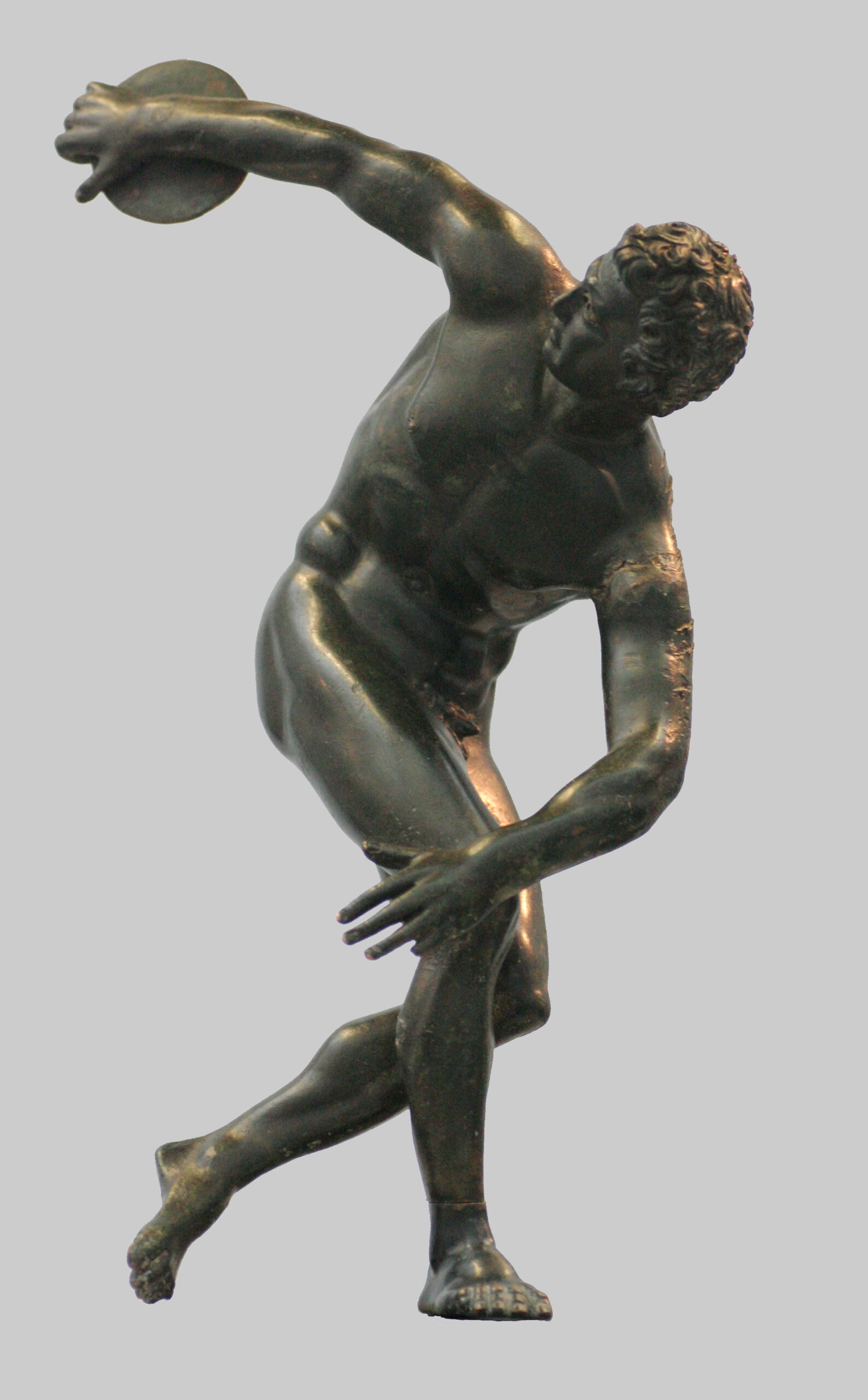
We do not usually file sport under art, but the boundary is thinner than it looks. The ancient Greeks built their entire sculptural ideal around the athletic body — the Discobolus freezes a discus thrower at the coiled top of his motion, a marble photograph taken two and a half thousand years before the camera. The Renaissance studied the same thing under the name of contrapposto: weight, balance, the body caught between intentions. What sport offers the image-maker is the human form pushed to its expressive extreme, and artists have never been able to leave that alone.
Modern sports photography is the direct heir to this lineage. The greatest practitioners — Neil Leifer, whose overhead frame of Ali standing over Liston is one of the most reproduced images of the twentieth century; the agency photographers who can pre-visualise a leap before it happens — are not merely documentarians. They compose. They anticipate. They understand that a picture of a rally is not about who won the point but about geometry, suspension and effort made visible. The ball frozen above the net, six bodies arranged in a diagonal of strain, is a study in dynamic balance that any figurative painter would recognise.
There is also the matter of emotion. Sport strips feeling of its usual disguises. Triumph, collapse, disbelief and exhaustion arrive raw and unguarded, and the camera collects them. The best sports images outlive the result they record precisely because they stop being about the scoreline. Nobody remembers the final tally of most historic matches; everyone remembers the face.
This is why galleries and museums increasingly make room for the genre, and why the line between the sports desk and the art world keeps blurring. A frame from a single international fixture, properly seen, contains the same ingredients as a history painting: bodies in space, a moment of maximum tension, a story compressed into stillness.
The next time a rally ends in a blur of limbs and a held breath, look past the result. Somewhere in that instant a photographer is doing what sculptors and painters have always done — arresting the human body at the height of its eloquence, and handing it to us to keep.
Updated 29 August 2026 to cover her runway debut at the Dolce & Gabbana Alta Moda show in Sicily on 13 July 2026.
On the evening of 13 July 2026, in a botanical garden outside Giarre on the eastern coast of Sicily, a sixteen-year-old walked out first. Dolce & Gabbana had built its Alta Moda show around the goddesses of Olympus and called it Le Devote delle Dee dell’Olimpo. The girl who opened it wore a one-shoulder gown of black tulle carrying three-dimensional flowers, roses and carnations and hydrangeas crowded together until the dress read less as clothing than as a garden lifted off the ground. Her hair, dressed by Guido Palau, had gypsophila worked through it. She carried a bouquet.
Her name is Léonie Cassel. Her mother, Monica Bellucci, watched from the front row. Within seventy-two hours the debut had been written up in Italy, France and beyond, and a name that had spent sixteen years being deliberately kept out of print became, briefly, one of the most searched in European fashion.
What follows is an attempt to say what actually happened, and why a single appearance on a runway matters more in this particular family than it would in almost any other.
The night in Giarre
Alta Moda is not a fashion show in the ordinary sense. It is Dolce & Gabbana’s couture arm, staged once a year in an Italian location chosen for its theatre, in front of a few hundred clients who have flown in for it. Nothing on the runway is bought from a rail. Each piece is made for a named customer or made to be commissioned, and the evening functions as a private view for people who buy at that level.
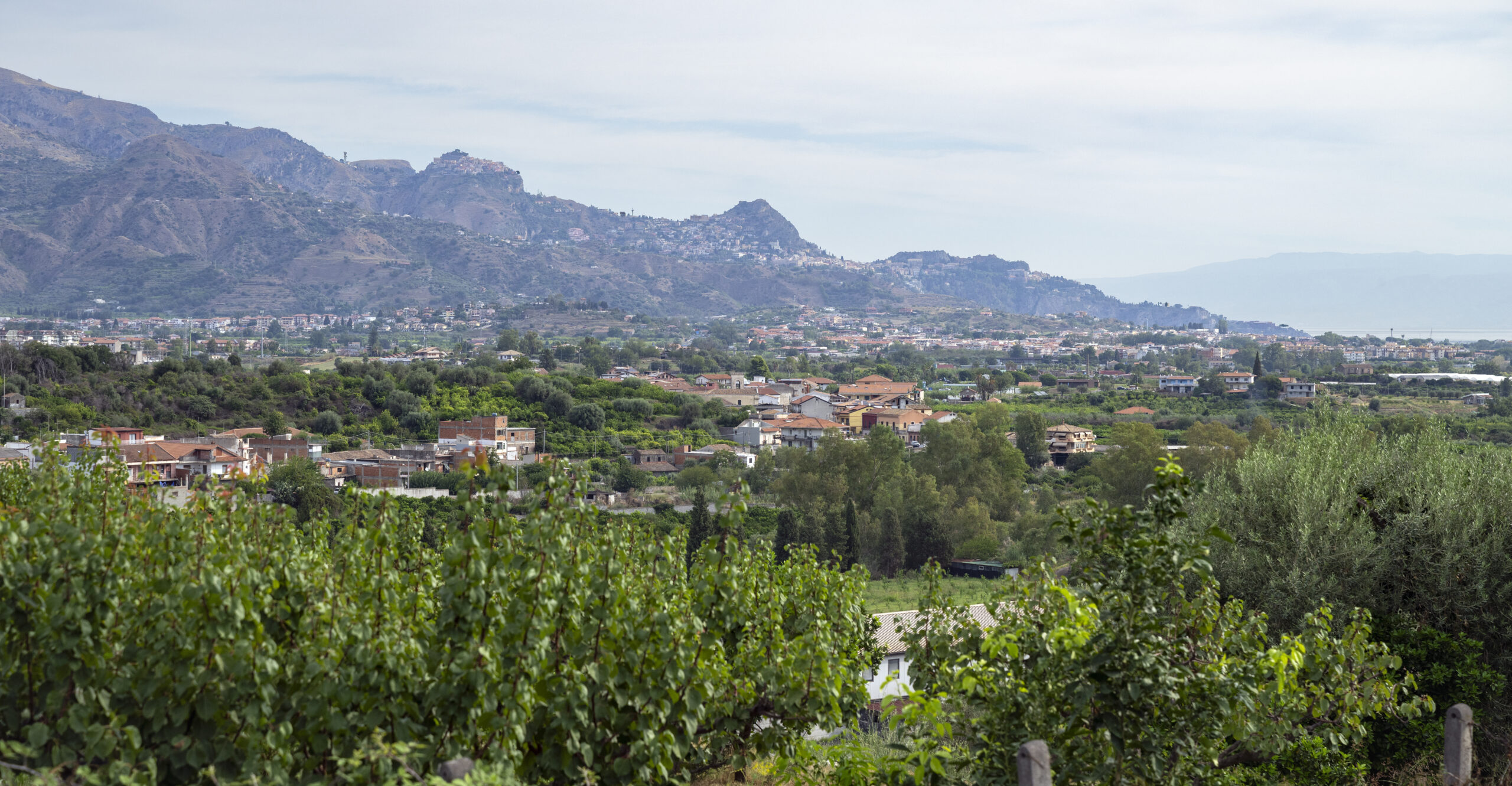
The 2026 edition returned the house to Sicily, which is where its founders have always gone when they want the clothes read as belonging somewhere. The venue was Radicepura, a botanical park at Giarre on the slope below Etna, planted with Mediterranean and subtropical species and normally given over to a garden festival. Staging a couture show among living plants is a decision that shapes everything: the dresses have to survive comparison with the setting.
Opening such a show is not a small assignment handed to a beginner. The first look sets the argument of the collection, and the house chooses it carefully. Giving that place to someone who had never walked a runway before is a statement about the house’s confidence, and about the name.
A fortress of normalcy
Taormina and Castelmola on the eastern coast of Sicily, a short drive from Giarre, where the Alta Moda show was staged. Cayambe, CC BY 4.0 via Wikimedia Commons
To understand what that evening cost, you have to understand what preceded it. In the sprawling and often cacophonous theatre of celebrity lineage, some figures are defined not by presence but by carefully guarded absence. For sixteen years Léonie Cassel was such a figure.
She was born in Rome in 2010, into a dynasty already at its height. The union of Bellucci and Vincent Cassel was more than a marriage; it was a cinematic event, a fusion of two distinct European energies, one Italian and one determinedly French. Her sister Deva had arrived six years earlier. With the second birth Bellucci made a conscious and, by the standards of her profession, radical choice. She pulled back from her career. As she later put it, it was a precise choice, and when she had the children she worked much less, because that was what she needed to do.
That decision shaped everything that followed. Raised between Paris and Rome, Léonie became a child of two cultures and two languages, and was kept fundamentally out of the glare that had defined her parents’ working lives. While the machinery of fame ran on around them, the household operated as a fortress of normalcy, a place where school terms mattered more than premieres.
It is worth being precise about how unusual that is. The children of famous parents are now, as a rule, publicly legible from infancy: managed accounts, posed holiday photographs, an early and profitable arrangement with attention. What the Cassel household did instead was withhold. Sixteen years of withholding is why one runway appearance produced the reaction it did.
A different reflection
For a long time the public narrative was assembled from fragments: a grainy paparazzi frame in Milan, a fleeting glimpse at a family dinner. From those pieces a story took shape, and the story was mostly a comparison.
Deva Cassel, born in 2004, had already made the transition from scion to working model, and did so as a near-perfect echo of her mother: the same dark wavy hair, the same steady gaze, a resemblance so exact that it did half the work of casting. She has modelled for Dolce & Gabbana herself, which matters for what happened in Sicily.
Léonie presented something else. Observers noted lighter colouring and a set of features that seemed to lean toward her father’s side; there were comparisons to her paternal aunt, the actress and singer Cécile Cassel. This is the crude, almost forensic way the world assesses the children of the beautiful, but it pointed at something real. She was not a copy. Whatever she had was a synthesis, and synthesis is harder to place and more interesting when it lands.
That distinction is why the debut read as news rather than as succession. Deva’s arrival in fashion felt like a continuation. Léonie’s did not feel inevitable, and the industry pays attention to what it cannot predict.
The weight and the wings of a name
No amount of protection erases a name like Cassel. The line runs back to her grandfather, Jean-Pierre Cassel, one of the defining French screen actors of his generation, a dancer’s presence in the cinema of the 1960s who worked into old age. To be born into that is to inherit a world of film and art and an inescapable public curiosity about your face.
The family has also changed shape around her. Bellucci and Cassel married in 1999 and separated in 2013, and the ending was handled with a deliberate quietness that kept the daughters out of the reporting. Vincent Cassel’s later relationships have added children to the picture, among them a half-sister, Amazonie, with Tina Kunakey, and a son born in early 2025. It is a modern, extended arrangement, and the striking thing from outside is how little of it has been conducted in public.
The inheritance, then, is not simply beauty or access. It is a demonstrated family competence at controlling exposure. That is a rarer asset in this industry than either of the other two, and it is the one most likely to determine what happens next.
Why this house, and why her
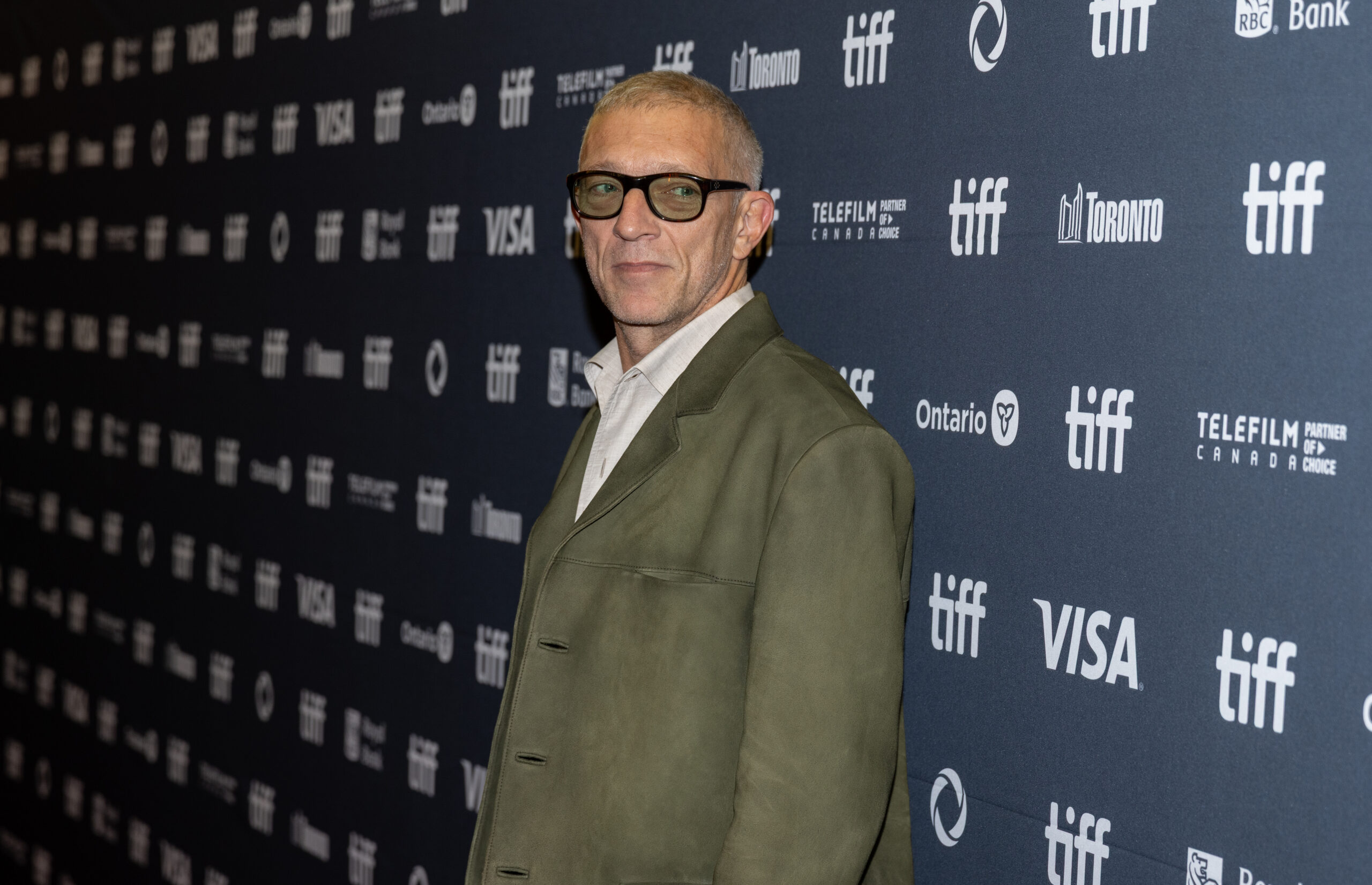
Vincent Cassel, father of Leonie Cassel, at the Toronto International Film Festival in 2025. Sara Komatsu, CC BY-SA 4.0 via Wikimedia Commons
The casting was not a coincidence and was never going to be read as one. Monica Bellucci has been associated with Dolce & Gabbana for decades, one of the faces through which the house explained itself to the world, and the relationship long predates her daughters. Deva has walked and modelled for the same house. Putting Léonie at the front of an Alta Moda show in Sicily is the house drawing a line through three points and inviting everyone to see the line.
There is a commercial logic underneath the sentiment. Couture clients buy continuity. A house that can show the same family across thirty years is making an argument about permanence that no marketing budget can buy outright, and it is doing it in front of the few hundred people whose orders fund the department.
There is also a risk, and it is worth naming. A sixteen-year-old opening a couture show is a minor placed at the centre of an adult commercial event, and the coverage that follows is not something she controls. The industry has become more careful about this than it was, with age minimums and chaperoning rules that did not exist twenty years ago, but the underlying tension does not disappear because a rule has been written. It is reasonable to find the evening beautiful and still notice the tension.
What a debut like this actually means
It is easy to overstate. One appearance does not make a career, and fashion is full of famous surnames that walked once and were not asked again. What a debut of this kind reliably produces is a set of options rather than a trajectory.
It creates a record. Before 13 July there were no professional images of her. Now there is a body of work, shot by accredited photographers, attached to a named collection and a dated event. That is the raw material every subsequent booking is made from.
It fixes a register. Opening couture in Sicily places her in a particular part of the market, closer to the ceremonial and the historic than to street casting or the sharp end of ready-to-wear. First impressions in fashion are unusually durable, and this one was chosen with care.
It transfers a decision. Until now the family controlled whether she was visible at all. After a debut the question changes: not whether to appear, but how often, and for whom, and at what point school stops being the thing that organises the year. Families who have managed this well tend to be the ones who say no a great deal in the eighteen months afterwards.
What it does not do is settle anything about talent. A runway tells you how someone moves in front of an audience for ninety seconds. It says nothing about whether they want the work, and the children of actors are, if anything, better informed than most about what the work costs.
The dress, as an object
It is worth slowing down on the garment, because couture is the part of fashion that still answers to the standards of a craft rather than a market. A gown of black tulle carrying three-dimensional flowers is not decorated after the fact. The flowers are constructed individually, in silk and organza and occasionally in materials stiff enough to hold a petal’s curve, then wired and placed so that the whole arrangement moves as one thing when the wearer walks. Roses, carnations and hydrangeas each demand a different solution: a rose is a spiral, a carnation is a fringe, a hydrangea is a crowd of small identical units that has to look accidental.
The work is measured in weeks and in named hands. That is the argument couture makes against everything else being sold in the same season, and it is the reason such a collection is shown to a few hundred people in a garden rather than broadcast to a stadium. The buyer is being shown labour, not novelty.
Placing that dress on a first-time model rather than a practised one is a deliberate reversal. A veteran presents a garment. A sixteen-year-old wearing something that elaborate is presented by it, and the house was plainly willing to let the dress do the carrying.
The dynasty question, without the sneer
The debut arrived into an argument that fashion and film have been having loudly for several years about inherited access. The shorthand is unkind and not very useful, because it treats every case as identical when the interesting differences are all in the particulars.
Two things are true at once. Access is real: a surname opens a door that talent alone would take years to reach, and pretending otherwise insults everyone standing outside it. And the door only opens once. Fashion is unsentimental about second bookings, and a model who cannot work is not rebooked whoever their parents are, because the client paying for the campaign has no interest in the family tree.
What a name buys, precisely, is the first appointment and the benefit of the doubt. What it cannot buy is the fifth year. The useful test is therefore not whether the debut was fair but what the record looks like in 2029, and nobody can answer that yet, including the house that cast her.
There is also a version of this story that is simply about a family business. Fashion has always worked through continuity, and the industry that photographed Bellucci at twenty-five was never going to be indifferent to her daughters. The only genuinely unusual element here is the delay: sixteen years is a long time to keep the door shut when it would have opened at any point.
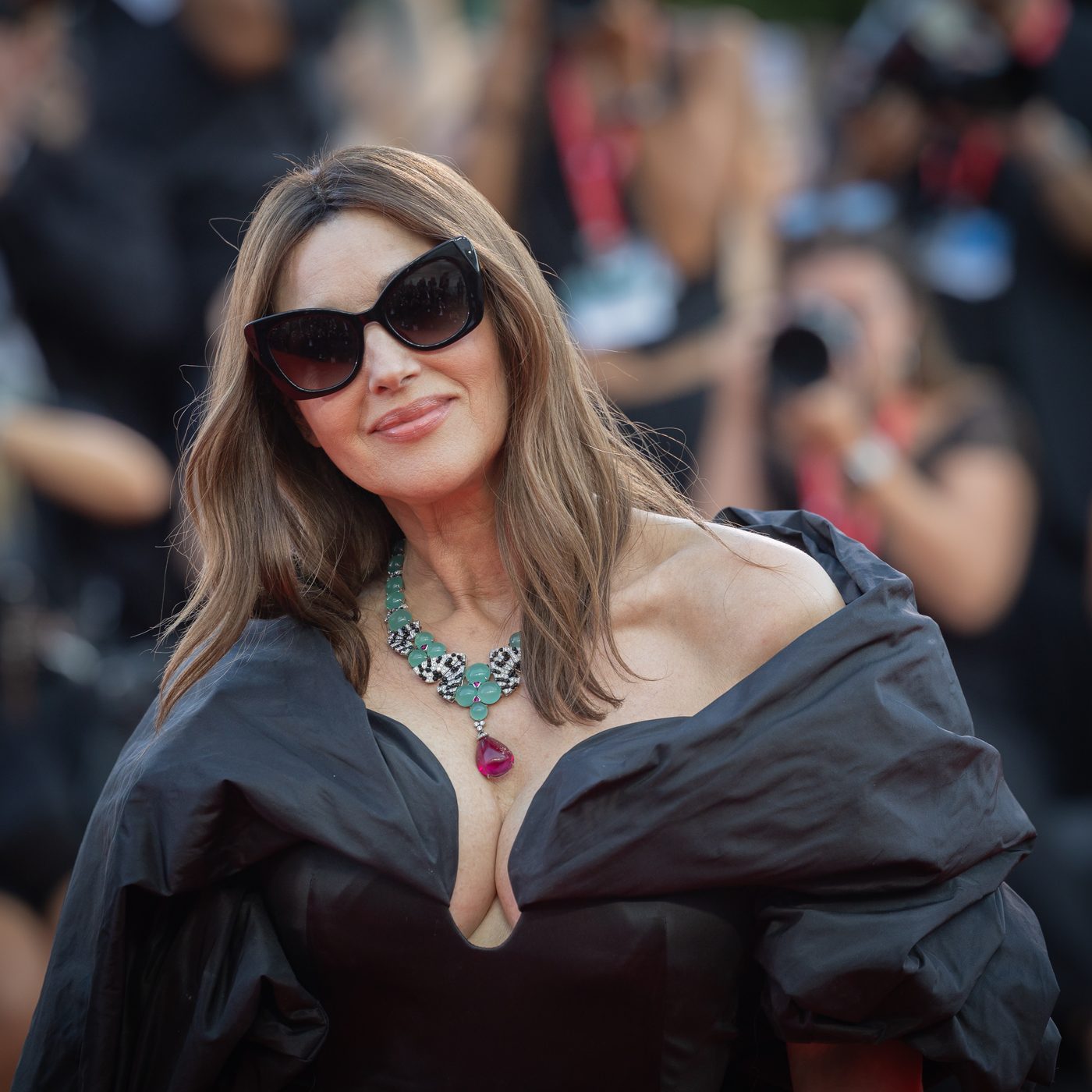
Monica Bellucci at the 79th Locarno Film Festival in August 2026, weeks after her daughter’s debut in Sicily. Kalai Ramu, CC BY-SA 4.0 via Wikimedia Commons
Questions readers ask
Who is Léonie Cassel?
She is the younger daughter of the Italian actress Monica Bellucci and the French actor Vincent Cassel, born in Rome in 2010 and raised between Rome and Paris. She was sixteen when she made her runway debut in July 2026.
When did she make her runway debut?
On 13 July 2026, opening the Dolce & Gabbana Alta Moda show at Radicepura in Giarre, Sicily. The collection was titled Le Devote delle Dee dell’Olimpo.
What did she wear?
A one-shoulder black tulle gown covered in three-dimensional floral appliqués, including roses, carnations and hydrangeas, with gypsophila worked into her hair by Guido Palau. She carried a bouquet.
How is she related to Deva Cassel?
Deva, born in 2004, is her older sister and an established model who has worked with Dolce & Gabbana. The comparison between the sisters has shaped most of the writing about Léonie, usually to the point of obscuring her.
Why was her debut treated as significant?
Because of the contrast. Her parents kept her out of public view for sixteen years, so there was no accumulated familiarity to blunt the moment, and because opening an Alta Moda show is a position a house assigns deliberately rather than casually.
Is she a professional model now?
One appearance is not a career. She has a debut and a set of professional images; whether that becomes a working life depends on decisions that have not been made publicly, and on a family with a long record of declining exposure.
After the flowers
The dress in Giarre will be remembered as an image before it is remembered as a garment, which is what couture is designed to achieve. For the house it was a night of continuity. For the audience it was a striking picture. For the person wearing it, it was the end of a period of privacy that her mother spent a career protecting.
The interesting question is not whether she will be photographed again. She will. It is whether the same discipline that kept her out of view for sixteen years can be applied to the next sixteen months, when every house in Europe now knows her name and the easiest thing in the world is to say yes.
We have launched a new set of priorities for culture in Wales. Our goal is to create opportunities for everyone, no matter their age or where they come from.
To make this happen, we are investing £15 million. This funding was confirmed in the recent final budget.
How the Funding Works
The Minister for Culture, Jack Sargeant, announced the plan today. The £15 million investment will be divided into two main streams:
£8 million will go to the Arts Council of Wales for major arts projects.
£7 million will support the running and improvement of museums, archives, libraries, and historic sites.
The Minister explained the thinking behind the investment.
“I am pleased to publish the Priorities for Culture today,” he said. “This £15 million provides vital funding to support our cultural ambitions and will have a significant impact across Wales.”
What This Will Support
This new funding will help us improve arts and culture in several key areas. We will focus on creating more opportunities for children and young people and improving access for everyone.
It will also provide resources to help the sector tackle climate change, develop skills, and improve its digital services.
“I am immensely proud of the culture sector,” the Minister added. “Every day, I witness the positive power of culture. This is a vision developed with and for the sector, and I look forward to working collaboratively to deliver these Priorities.”
A Record of Investment
This announcement builds on our recent work across Wales. In the last few years, we have:
Opened Celf, the new national contemporary art gallery.
Pushed forward with the redevelopment of Theatr Clwyd and a new football museum in Wrexham.
Awarded over £5 million since 2022 to make cultural spaces and collections more inclusive.
Provided almost £3 million for urgent work at the National Library of Wales and Amgueddfa Cymru.
Invested over £3.5 million in local museums, libraries, and archives since 2022.
Launched a new grant scheme that has given £420,000 to improve local storage and care for collections.
A Welcome from the Sector
Leaders in the culture sector have already welcomed the news.
Dr Ken Griffin, President of Museums Federation Cymru, said, “Imagine a Wales where every local museum is a vibrant centre for learning, volunteering, and cultural discovery. The new Priorities for Culture document paves the way for a connected culture sector, ensuring these institutions can continue to enrich lives and build a strong sense of ‘cynefin’ for all.”
For any artist, the decision to enter a competition is a strategic one. It’s an investment of time, energy, and hope. But beyond the prestige, what does a modern, digitally-savvy award actually offer? How does it work? To answer this, we’re taking a forensic look under the hood of one of the most talked-about new accolades: the international Creativity’s Prize (also known as Creativitys UK Award).
This isn’t an analysis of its cultural impact—for that, you can read our deep dive, Is the Creativity’s Prize Writing Art’s New Code?. This is a practical breakdown for the working artist. What is the architecture of the prize, and what is the tangible return on investment?
The Judging Matrix: A Multi-Stage Gauntlet
The path to recognition here is not a lottery; it’s a rigorous, four-stage process designed to identify substantive talent. It begins with a simple Administrative Review to ensure all submissions are complete and eligible. This weeds out applications that don’t meet the basic criteria.
From there, an Internal Committee of arts professionals from the Creativitys.UK team creates a longlist. This is the first critical filter, where originality and technical proficiency are assessed. The longlist then moves to Specialist & Jury Review, where members of the main panel and external experts conduct a more granular analysis, resulting in a final shortlist. It’s at this stage that some artists might be invited for a brief online interview, offering a chance to articulate their vision directly.
The final stage is a Consensus Deliberation by the full judging panel, a formidable assembly of industry leaders chaired by critic and producer Maria Bregman. This is where a winner is chosen, not by simple votes, but through structured debate and analysis. Understanding this gauntlet is key: the prize values not just a brilliant final piece, but a coherent and professional presentation from start to finish.
The Prize Package: Beyond the Cash
This is where the prize truly differentiates itself. The value proposition is heavily weighted towards tangible career assets, not just a cheque.
The First Place laureate receives a “Career Development & Promotion Package” valued at a significant £1,500. This is a toolkit for building a public profile, and it includes:
A Major Online Showcase: An in-depth, 1500-2000 word feature article with a professional interview, prominently displayed on the Creativitys.UK homepage for a full month.
Professional Media Production: The commissioning of professional photography or a short artist profile video. For artists without a high-quality portfolio, this asset alone is invaluable.
Targeted Press Outreach: A bespoke press release distributed to a curated list of 100 UK and international arts media, galleries, and curators.
Strategic Mentorship: A 90-minute one-on-one session with an established professional—a curator, gallerist, or senior artist—to discuss career strategy.
The Application Process: A Checklist for Success
For artists considering applying, the process is international, open to those over 18, and covers a wide range of disciplines. The monthly deadline (the 25th of each month) allows for a continuous cycle of opportunity.
Here’s what a successful application requires:
A concise portfolio of up to five recent works.
A 500-word statement of intent, articulating your vision.
A professional artist bio.
Adherence to the current theme, “Innovation in Art”.
The submission fee is a nominal £25, positioned to cover administrative costs rather than to act as a significant barrier. The key takeaway for applicants is the need for professionalism at every step. Clear, high-quality images, well-written supporting texts, and a clear articulation of one’s unique vision are what will pass the initial filters and capture the attention of the jury.
Ultimately, The Creativity’s Prize presents itself as an ecosystem, not just a competition. It’s an infrastructure designed to identify talent and then actively work to amplify it. For the ambitious artist, understanding this anatomy is the first step toward leveraging it.
Forget the long-term forecasts. If you want to know where culture is headed, look at who is getting the awards right now. An award isn’t just a retrospective pat on the back; it’s a bet on the future. It’s a signal. And looking at the recent slate of laureates from the international Creativity’s Prize (also known Creativitys UK Award), the signals are coming through loud and clear. A new code is being written for what it means to be a creative force in 2025.
The first signal is a return to pure, almost defiant, narrative craft. We’re seeing painters like Evgenii Gruzdev and Vasili Smirnov move beyond mere hyperrealism into something closer to cinematic portraiture. Their canvases don’t just depict a face; they hold a scene, a moment of psychological tension frozen in time. This isn’t just masterful technique; it’s storytelling that grabs you by the collar, a clear rejection of empty abstraction in favour of dense, character-driven art.
At the same time, this hunger for narrative is colliding with our digital reality. Heritage is no longer something locked away in a museum; it’s becoming a medium in its own right. Look at filmmaker Luba Balagova-Kandour. She isn’t just preserving Circassian culture; she’s actively translating it, recoding ancient traditions into a visual language that can thrive on global screens. It’s a powerful statement: the most vital histories are not the ones we archive, but the ones we remix.
This remix culture is breeding a new type of creator. The age of the hyper-specialist is fading. The most interesting work is happening at the frayed edges between disciplines, made by what you might call the “post-genre” artist. Figures like Marat Akhmedjanov, celebrated for work that bleeds across cinema and literature, or the music producer Viktor Drobysh, whose vision shapes entire multimedia ecosystems, are the new archetypes. They aren’t just masters of a single craft; they are architects of entire worlds.
We see this same boundary-dissolving energy in fashion. The line between runway and gallery has been erased. For designers like Maria Babina or Tes Berge, a garment is a mobile sculpture, a piece of performance art activated by the body. Their work asks critical questions, using fabric and form to explore identity and challenge conventions. This isn’t about selling clothes; it’s about pushing a discipline into the territory of critical practice.
And perhaps the most potent signal of all is the renewed currency of authenticity. In an era saturated with synthetic imagery and AI-generated text, there’s a powerful gravitational pull towards real, lived history. When a prize honours a writer like Irina Rekshan, whose own life is a chapter in the epic of the Leningrad rock scene, it’s a deliberate choice. It’s a bet on the irreplaceable value of a story that could only be told by one person, in one lifetime. It suggests that in the face of infinite digital replication, the deeply, messily human story has become the ultimate scarce resource.
So what’s the new code? It’s narrative-rich, technologically fluid, defiantly interdisciplinary, and grounded in unshakeable authenticity. The work being celebrated today isn’t just a reflection of our times; it’s a blueprint for what’s next.
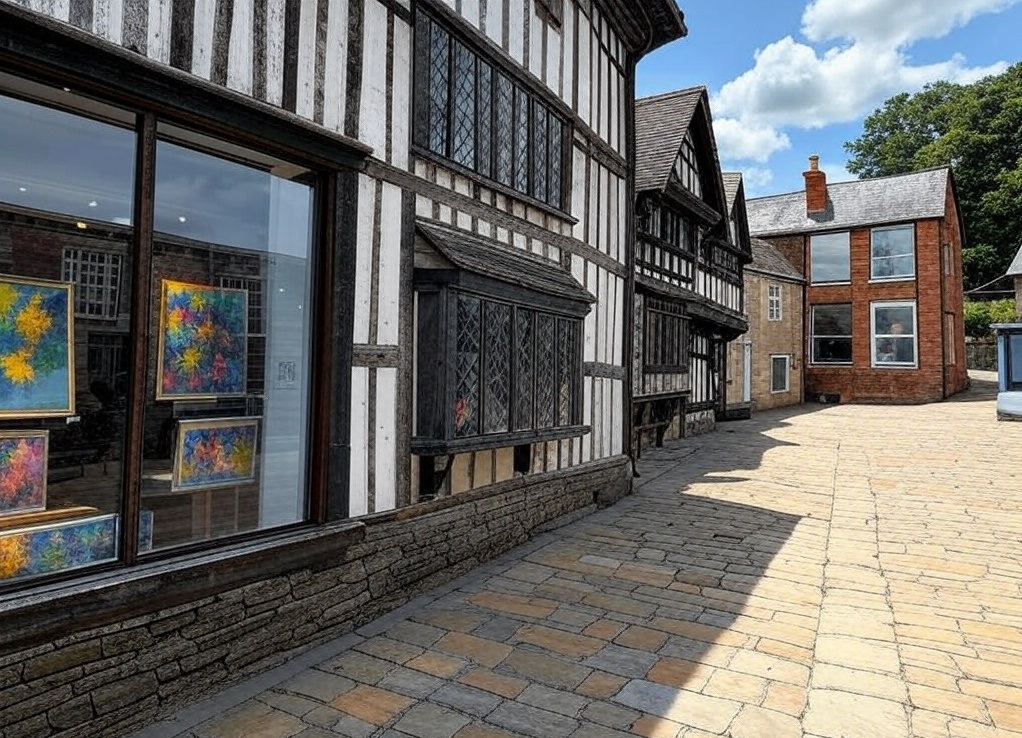
Nestled in the lush valleys of Denbighshire, Ruthin (Rhuthun in Welsh) emerges as an unassuming yet profound custodian of Welsh heritage. Beyond its cobbled streets and timber-framed façades lies a vibrant nexus where medieval history collides with avant-garde creativity. This market town, often overshadowed by its flashier neighbours, quietly thrives as a sanctuary for art lovers and cultural pilgrims. From restored Tudor mansions to cutting-edge craft studios, Ruthin’s duality—rooted in tradition yet unafraid of reinvention—offers a narrative ripe for exploration.
Ruthin Craft Centre’s Creative Pulse At the heart of Ruthin’s artistic renaissance sits the Ruthin Craft Centre, a beacon for contemporary crafts Wales champions. Housed in a sleek, modern structure that contrasts poetically with the town’s medieval skyline, the centre is more than a gallery—it’s a living laboratory. Here, glassblowers, ceramicists, and textile artists converge, their workshops visible through floor-to-ceiling windows. Recent exhibitions have showcased everything from kinetic sculptures crafted from reclaimed slate to installations questioning Welsh identity post-Brexit. The centre’s café, with its locally sourced menu, mirrors this ethos: tradition reimagined through a modern lens.
Nantclwyd y Dre’s Timeless Tales Step into Nantclwyd y Dre, Wales’ oldest dated townhouse, and time folds in on itself. Restored to reflect seven centuries of domestic life, its rooms whisper stories of Tudor merchants, Georgian gentry, and Victorian reformers. The walled garden, a riot of heritage roses and medicinal herbs, is a living ode to historic architecture Wales. Yet what truly captivates is the house’s refusal to be a static relic. Seasonal exhibitions—like last autumn’s display of 18th-century love letters discovered in the attic—bridge past and present, proving history’s pulse still beats fiercely in Ruthin.
St. Peter’s Square: Medieval Majesty Ruthin’s medieval soul crystallises in St. Peter’s Square, where the 13th-century church tower looms like a stone sentinel. Inside, a 15th-century Jesse Tree fresco—a rare survivor of Cromwell’s iconoclasm—unfolds in vivid blues and golds, its branches heavy with biblical figures. Yet the square is no open-air museum. Every summer, it transforms into a stage for cultural tourism Denbighshire at its finest: the Ruthin Festival. Here, Shakespearean soliloquies echo against street art murals, and harpists duel with indie folk bands—a harmonious clash of epochs.
Ruthin Gaol’s Cultural Rebirth Few sites encapsulate Ruthin’s metamorphosis like its Victorian gaol. Once a symbol of punitive severity, its iron doors now swing open to galleries and performance spaces. The former exercise yard hosts sculpture gardens, where twisted metalworks by local artists dialogue with the bleak brickwork. A recent highlight was Voices from the Cells, an audio-visual project where inmates’ diaries (meticulously archived by the town) were paired with ambient soundscapes. It’s a stark, stirring reminder that even spaces of confinement can become catalysts for Welsh art exhibitions that challenge and inspire.
Local Festivals and Living Traditions Ruthin’s calendar thrums with events that blend pagan roots with contemporary verve. The annual Food Festival, held in the shadow of the castle ruins, sees Michelin-starred chefs riff on recipes from The First Welsh Recipe Book (1520). Meanwhile, the Winter Solstice Parade—a swirl of fire dancers and giant puppets—draws direct lineage from Druidic rites. These aren’t mere tourist spectacles; they’re communal acts of preservation. As local baker Enid Jones remarks while shaping bara brith loaves for the festival, “Every recipe, every dance step—it’s a letter to the future.”
Artisan Workshops and Welsh Craft Beyond the galleries, Ruthin’s artisan workshops Wales thrive in unassuming nooks. On Clwyd Street, Einir Wyn’s pottery studio offers masterclasses where students mould clay beside a 17th-century inglenook. A stone’s throw away, woodturner Gareth Hughes crafts Welsh love spoons—not as trinkets, but as narrative objects engraved with clients’ personal sagas. These craftsmen aren’t mere traditionalists; they’re alchemists, transmuting local materials (Denbighshire oak, River Clwyd silt) into works that straddle function and philosophy.
Ruthin’s cultural landscape defies easy categorisation. It’s a place where a 14th-century castle hosts digital art projections, where the scent of molten iron from a blacksmith’s forge mingles with espresso from a vegan café. This isn’t stagnation dressed as heritage; it’s a dynamic, sometimes uneasy, dialogue between then and now. For the discerning traveller, Ruthin offers not a postcard, but a palimpsest—a town perpetually rewriting itself while staying indelibly Welsh. To wander its lanes is to witness culture not as a monument, but as a verb: alive, evolving, and defiantly unbroken.