Category: Visual arts

  • The Look of the End of the World Has Become a Style

    The Look of the End of the World Has Become a Style

    Apocalypse on television now has a palette. Desaturated greens, dust in the light, a horizon interrupted by something broken. Stuart Fails to Save the Universe, the HBO Max comedy that began on 23 July, borrows that palette for a joke, and in doing so shows how completely the visual language of ruin has settled into convention.

    From engraving to production design

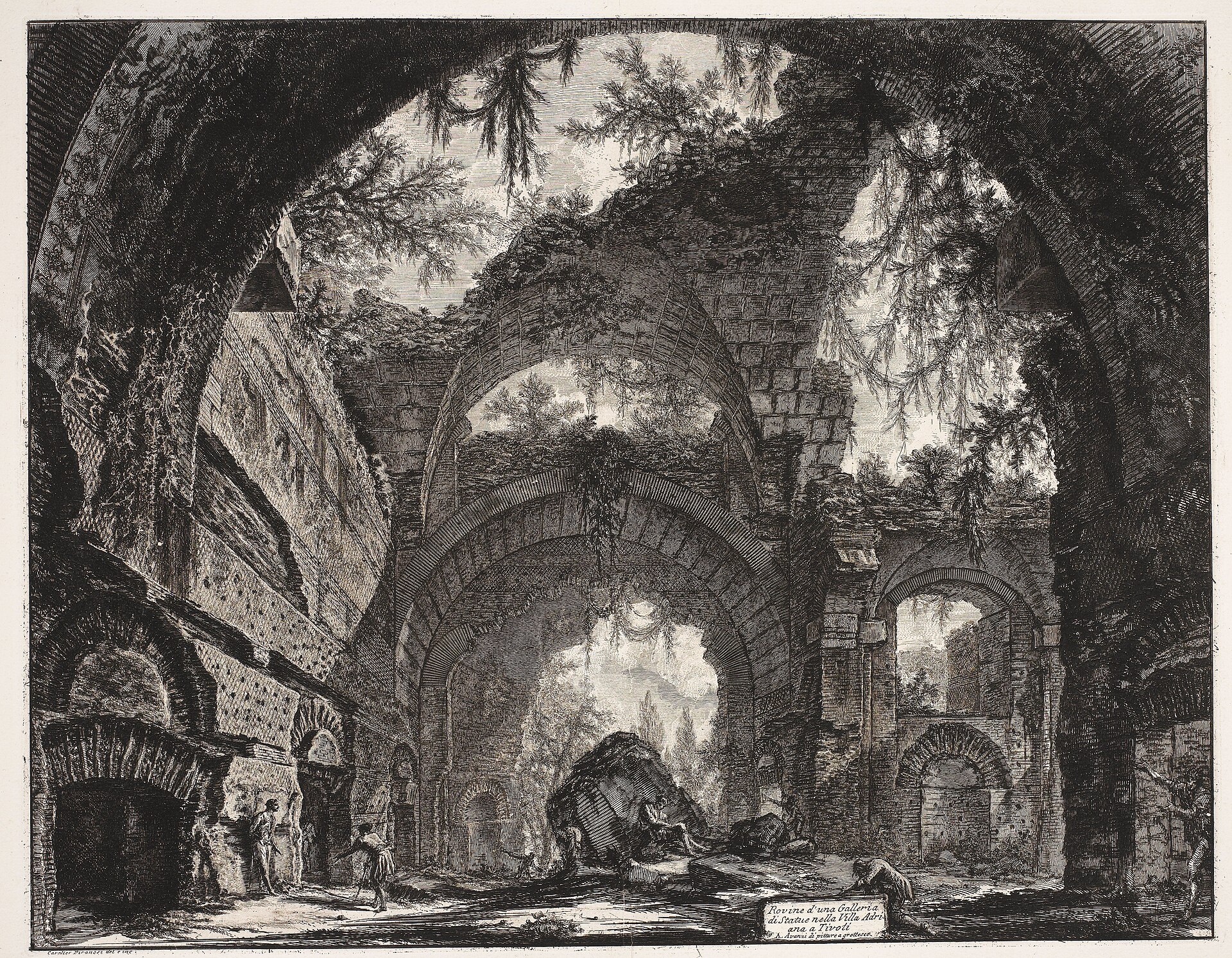
    The taste for ruins is old and entirely aesthetic in origin. Eighteenth century travellers commissioned paintings of collapsed temples because a broken column was more beautiful than a whole one, and Giovanni Battista Piranesi built a career on Roman remains drawn larger and darker than they were. The point was never documentary. Ruin gave scale to human effort by showing what outlasts it.

    Romanticism formalised the appetite. A ruin in a landscape painting is a piece of instruction: here is time, here is your position within it. Nineteenth century painters put figures in front of collapsed abbeys precisely to make the figures look small.

    Screen design inherited the grammar without the argument. What began as a meditation on time has become a set of production instructions, and the instructions are now so standardised that a comedy can invoke them in a single establishing shot and expect the audience to read the reference.

    What the new series does with it

    The premise is unusually literal. Kevin Sussman plays a comic shop owner who damages a device built by his old customers, opens what the series calls a multiverse Armageddon, and travels between worlds trying to repair it. Each world needs its own look, delivered fast enough to land a joke.

    Chuck Lorre, Zak Penn and Bill Prady have made choices that show how much of the effect is lighting rather than construction:

    • single camera photography instead of the multi-camera sitcom stage, which allows shadow, and shadow is most of what makes a room look abandoned
    • no laugh track, so the image has to establish tone unaided
    • a score by Joseph LoDuca and a theme by Danny Elfman, composers whose work signals genre before a single set is shown
    • worlds sketched in one or two objects rather than built out, on the assumption that viewers will fill the rest in themselves

    That last point is the interesting one for anyone who looks at pictures for a living. The series is not designing apocalypses. It is triggering ones the audience already carries.

    The cost of a shared visual memory

    This is where the reviews start to bite. In The Hollywood Reporter, Angie Han argued that the show has no real curiosity about the universes it visits, treating each as a backdrop to be crossed rather than a place to be understood. RogerEbert.com reached a similar conclusion about a clever concept underused. The series holds 76 per cent on Rotten Tomatoes from 38 reviews and 68 out of 100 on Metacritic from 18 critics, which is the score of a show that gestures well and examines little.

    A painter faces the same trap in different materials. When a motif becomes legible enough to be recognised instantly, it stops asking anything of the person looking at it. The vanitas skull worked as a memento mori for as long as viewers had to think about why it was on the table. Once the skull became shorthand, the thinking stopped and the decoration remained.

    Ruin imagery has reached that stage. We can all read a collapsed motorway or an overgrown shopping centre without a moment’s effort, which means the image no longer performs the function ruins were originally painted to perform. It shows time without making anyone feel it.

    Why a comedy is a fair test

    Comedy is the honest place to examine a visual convention, because comedy cannot hide behind atmosphere. A drama can hold a shot of a flooded street for twenty seconds and call the mood meaning. A joke has to work in four seconds or not at all, so it exposes exactly how much of an image is doing real work and how much is inherited.

    By that measure the series is instructive. The apocalyptic frames read instantly, which proves the convention is complete, and they read shallowly, which proves it has been worn smooth.

    There is a version of this material that would be genuinely strange, in which each universe is designed by somebody who had looked at the world rather than at other screens. What has arrived instead is a comedy that knows the vocabulary perfectly and has nothing new to say in it.

    Stuart Fails to Save the Universe runs weekly on HBO Max until 24 September.

    Image: Giovanni Battista Piranesi, Rovine d’una Galleria di Statue nella Villa Adriana a Tivoli, from Vedute di Roma. Rijksmuseum, CC0.
  • Get to Know Xinyu Xu: A Rising Star in the World of Arts and Culture

    Get to Know Xinyu Xu: A Rising Star in the World of Arts and Culture

    In the shifting landscape of contemporary art, where identity, technology, and politics converge, a new generation of artists is redefining what it means to create. Among them, Xinyu XuXX—known professionally as Xinyu Xu—stands out as a figure whose work bridges cultures, disciplines, and emotional registers with remarkable fluidity.

    The Artist

    Born in Hunan, China in 1998, XuXX (she/it) is a Chinese-born, London-based artist and screening organiser. Her educational journey reads like a map of artistic migration: a BA in fashion design from the China Academy of Art, a Graduate Diploma in Fine Art from the Royal College of Art, and an MFA in Fine Art from Goldsmiths, University of London.

    Each institution left its mark. From the China Academy of Art, XuXX absorbed the discipline of craft and the language of fashion. From the Royal College of Art, she gained the conceptual framework to move beyond design into pure artistic expression. At Goldsmiths, she found the community and critical context to develop her practice into something wholly original.

    The Practice

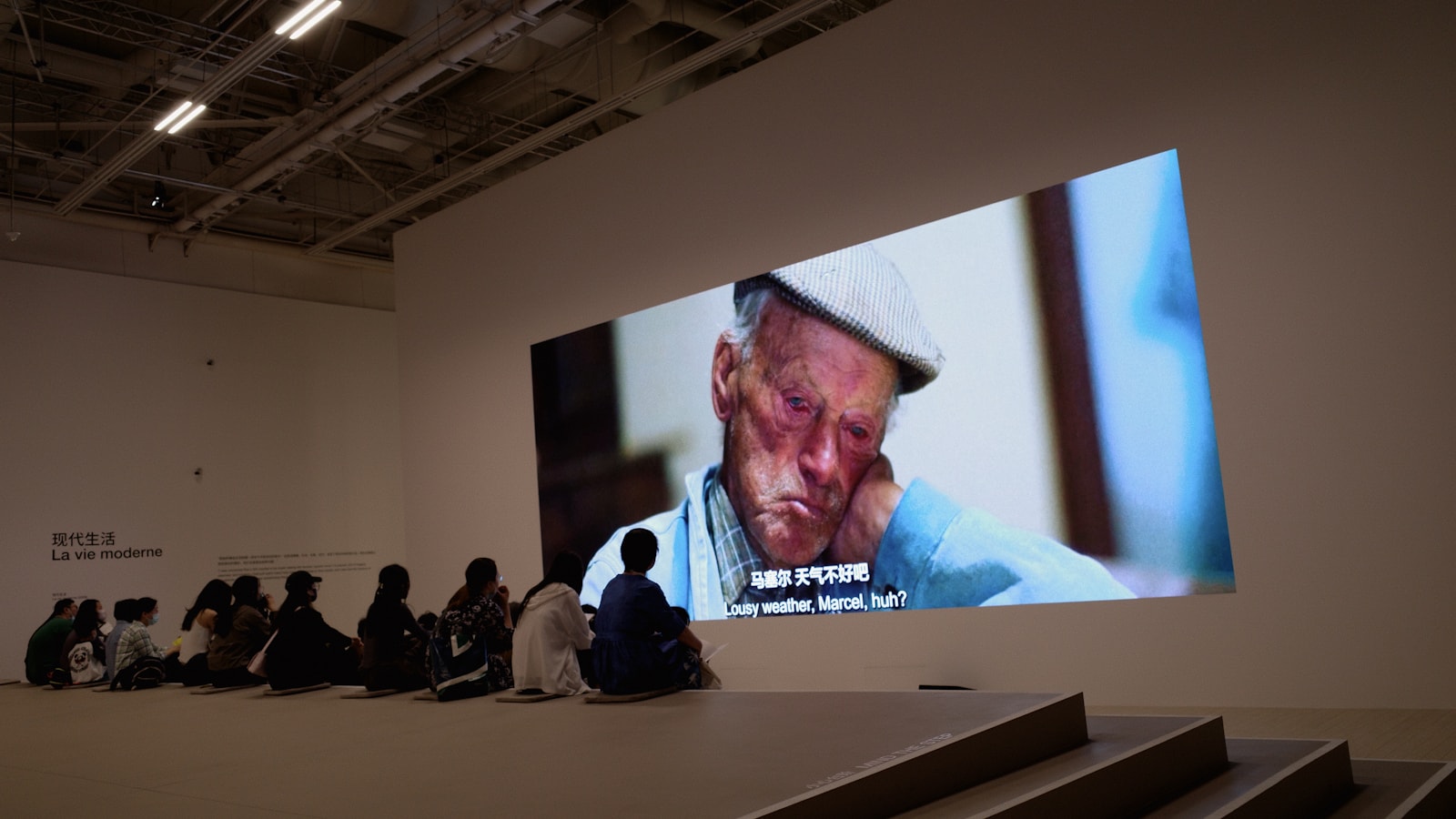
    XuXX’s work is fundamentally interdisciplinary, spanning moving image, installation, and performance. Her practice centres on feminist eroticism—specifically, the erotic capacity to form connections, transmit energy, and create intimacy across time and territory.

    “Her work is interested in how image as a non-human body creates visionary erotic experiences as a method for activism,” Al-Tiba9 Contemporary Art noted in a 2023 interview. “Inhabiting space for those bodies behind it.”

    This is art that refuses categorisation. XuXX’s moving images are not documentaries or narratives in the conventional sense; they are immersive experiences that engage the viewer’s body as much as their mind. Sound, movement, and visual texture combine to create environments that feel simultaneously intimate and expansive.

    The Work

    XuXX’s image work has been exhibited between the UK and China, including Omitted References at The Art Pavilion in Mile End Park, At the Edge of Safe House, and Our Bodies Are Portal at Asylum Chapel. In Beijing, she curated Double Interval at Three Shadows Gallery—a group show in Huangshan that explored the boundaries between moving image and physical space.

    As one of the organisers of @If Splash as Your Whistle, a programme showcasing queer, diasporic moving images and films through multimedia art events, XuXX has positioned herself not just as an artist but as a cultural facilitator—creating platforms for marginalised voices in the moving image community.

    The Philosophy

    What distinguishes XuXX from many contemporary artists is the philosophical depth of her practice. She does not merely represent identity; she interrogates the mechanisms through which identity is constructed, performed, and experienced.

    “Anyone who can empathise with subtle things or for others and convey those feelings through their medium to create a special world can be considered an artist,” she has said. This definition—generous, inclusive, and deeply human—reflects her approach to art-making: not as a solitary pursuit but as a form of connection.

    Her interest in eroticism is not gratuitous; it is strategic. By engaging the body’s capacity for pleasure and vulnerability, XuXX creates art that bypasses intellectual defences and speaks directly to the viewer’s emotional experience. In a world increasingly mediated by screens and algorithms, this tactile, embodied approach feels both radical and necessary.

    The Future

    At just 27, Xinyu XuXX has already achieved what many artists take decades to accomplish: a coherent body of work, a committed community, and a practice that resonates across cultural and linguistic boundaries. Her trajectory suggests an artist who will continue to evolve, challenge, and inspire.

    As she moves deeper into her career, XuXX carries with her the influences of two cultures, the training of three institutions, and the vision of an artist who believes that art’s highest purpose is to create connection. In the world of arts and culture, that is a rare and precious gift.

    For more on emerging artists and contemporary art, explore our coverage of [new voices in the art world](/category/art/) and [cross-cultural creativity](/category/culture/).

  • Nikas Safronov: The Artist Who Fooled the World with Putin’s Trump Portrait

    Nikas Safronov: The Artist Who Fooled the World with Putin’s Trump Portrait

    In the grand tradition of art as diplomacy, few works have provoked as much intrigue, speculation, and controversy as the portrait of Donald Trump that now hangs in the White House Grand Foyer. Painted by Russian artist Nikas Safronov and gifted by Vladimir Putin in March 2025, the work depicts the American president with bloodied ear and raised fist—echoing the July 2024 assassination attempt in Butler, Pennsylvania. It is a painting that is simultaneously propaganda, prophecy, and provocation.

    The Commission

    Safronov, one of Russia’s most famous artists, was contacted by “some people who said they want me to paint Trump as I see him.” He did not initially know who his visitors were, though he suspected the Kremlin. “There are clients who do not go into details,” he explained.

    The commission was straightforward: paint Trump as he appeared after the Butler rally. But Safronov’s interpretation transcended mere portraiture. The painting shows Trump with blood splattered across his face, his right fist raised in defiance, the Statue of Liberty and Manhattan skyline rising behind him like monuments in a dream.

    “When I started the portrait, I realized this could bring our countries closer,” Safronov told CNN. “And decided not to charge any money because I suspected what this painting was for.”

    The Reveal

    The painting was delivered by Trump’s envoy, real estate mogul Steve Witkoff, who described it to Tucker Carlson as “a beautiful portrait” that clearly moved the former president. For weeks, the portrait remained a mystery—its existence known, its details hidden.

    Then, in April 2025, Safronov revealed the work to CNN, confirming what many had suspected: this was not merely a gift but a calculated act of soft power. The Kremlin confirmed the portrait’s authenticity. Putin’s spokesperson Dmitry Peskov described it as “an absolutely personal gift” to “his American colleague.”

    Safronov’s account added layers of mystique: Putin had contacted him personally to emphasise the commission’s importance, telling him the flattering portrait was a crucial step in improving Russia’s relationship with the United States.

    The Artist

    Nikas Safronov is no ordinary painter. Known for celebrity portraits—he has painted Pope Francis, Kim Jong Un, Narendra Modi, and Madonna—he occupies a peculiar position in Russian culture: simultaneously respected as a serious artist and scrutinised for his flamboyant public persona. He has appeared nude in widely circulated photos, boasts about his sexual exploits, and claims to own a 17-room, 7-billion-rouble penthouse near the Kremlin.

    Safronov once claimed to have dreamt his own fame into being, keeping detailed dream journals and asserting that his visions shape his path. He dabbles in numerology and claims to feel “energetic imprints” from the people he paints. In 2021, Putin bestowed upon him the title of “People’s Artist of Russia” for “great merit in the field of fine art.”

    The Art World’s Response

    The portrait has divided the art world. Some critics see it as a masterful piece of diplomatic theatre—a work that accomplishes through visual language what formal negotiations cannot. Others dismiss it as kitsch, a propaganda piece unworthy of the White House’s walls.

    Safronov himself has been characteristically bold in his assessment of competing works. When Trump denounced a portrait of him in Colorado’s state Capitol building as “truly the worst,” Safronov compared it to “provincial Soviet portraits of collective farm chairmen” and offered the help of Russian artists in training their American counterparts.

    The Pushkin State Museum of Fine Arts has acquired a Safronov work for its research collection—under its former director, who was subsequently ousted, adding another layer of controversy.

    Art as Diplomacy

    The Trump portrait is not the first time Putin has used art as diplomacy. Similar symbolic gifts were given during the earlier Trump presidency, including a Soviet-style poster that found its way into Mar-a-Lago’s decor. The tradition of gifts between rivals dates back centuries—from Faberge eggs to diplomatic portraits—and Safronov’s work fits neatly within this lineage.

    What makes this portrait unique is its timing. Delivered during delicate negotiations between the US and Russia over Ukraine, the painting occupies a space between decoration and oracle. It is, as one commentator noted, “a symbol of how power sees itself, and perhaps, what it hopes to become.”

    In the White House Grand Foyer, where it now hangs—displacing an official portrait of Barack Obama—the painting serves as a daily reminder that art, in the right hands, can be the most potent form of diplomacy.

    For more on art and geopolitics, explore our coverage of [art as political expression](/category/art/) and [diplomacy and cultural exchange](/category/culture/).

  • Julio Le Parc at the Tate

    Julio Le Parc at the Tate

    By Sarah Johnson

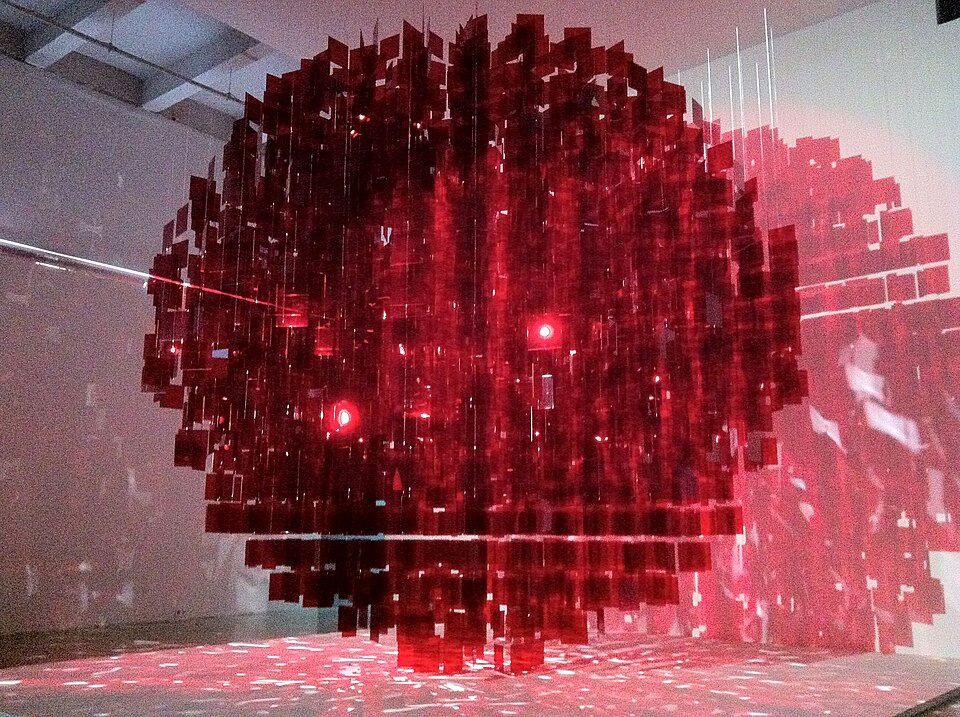
    Julio Le Parc opens at the Tate Modern this June. “Light. Colour. Action.” It is basically kinetic art from the sixties trying to punch you in the eyes.

    Mirrors spin. Lights flash. The whole room vibrates.

    Right now, every other gallery in London is doing quiet, depressing trauma dumps. Walking into a massive concrete room where a ninety-something Argentine guy just wants to play with blinding lightbulbs feels surprisingly great. Loud. Unapologetic. Fun. It doesn’t ask you to feel guilty about anything. It just asks you to look at the pretty colours moving fast. Sometimes that is entirely enough.

  • The 2026 Cannes Film Festival, Review.

    The 2026 Cannes Film Festival, Review.

    By Sarah Johnson

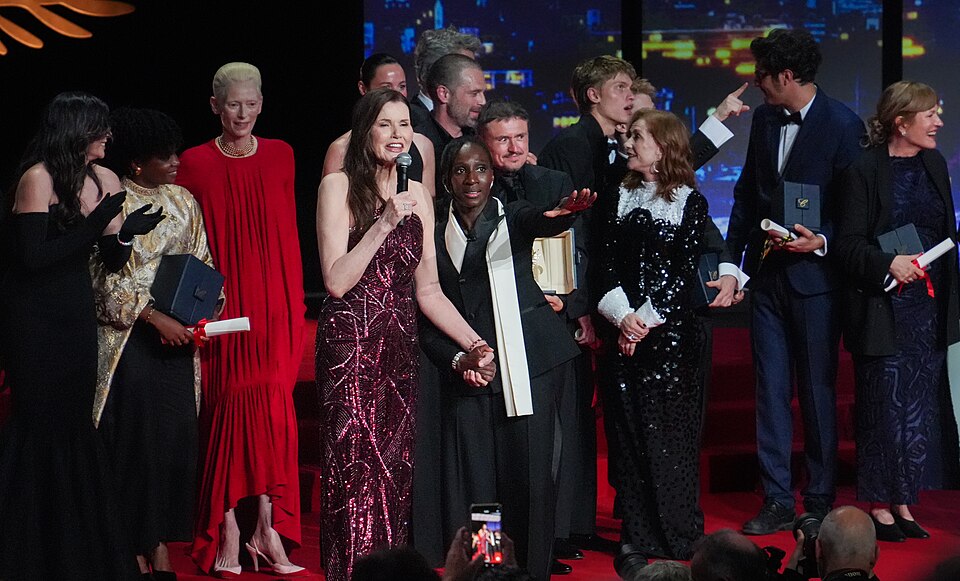
    Cannes is a lot. Honestly. It’s always just… a lot. Yachts, mostly, and people sweating in very expensive suits hoping someone important notices them standing there. But this year? The 79th one? Park Chan-wook was running the jury, which was a wild choice that actually worked out. We ended up getting some actual movies worth talking about.

    Mungiu won the big one. The Palme d’Or. For Fjord. It’s his second time winning it, which makes sense because the guy just knows exactly how to make you feel terrible. He takes human misery and sort of… dissects it on a table. It’s incredibly bleak stuff. You watch it and you feel bad. Then it ends and you think, yeah, okay, that was basically a masterpiece.

    Then there was Minotaur. Andrey Zvyagintsev. It won the Grand Prix. It’s huge. Like, physically exhausting to sit through because it’s so dense and political. A movie that big usually falls apart halfway through because it’s trying to do too much. This one didn’t.

    Best Director was a tie, which is always annoying. Javier Calvo and Javier Ambrossi won for The Black Ball (La Bola Negra). It’s this crazy pop-culture explosion of a movie. And they tied with Paweł Pawlikowski. For Fatherland. Which is, as you’d expect, incredibly sad and Polish. Putting those two next to each other on a list is hilarious. But that’s Cannes.

    Virginie Efira and Tao Okamoto both won Best Actress. For All Of A Sudden. Usually sharing an award feels like the jury just couldn’t make a decision, but here it worked. You literally can’t pull their performances apart. They’re too tangled up in each other. Emmanuel Macchia and Valentin Campagneshare won Best Actor. For Coward.

    Valeska Grisebach won the Jury Prize. The Dreamed Adventure. It’s super quiet. It sneaks up behind you. Emmanuel Marre won Best Screenplay for A Man Of His Time (Notre Salut). Meanest dialogue of the whole festival, hands down. And Clémentine Dusabejambo won the Camera d’Or for Ben’Imana, which is nice because it shows someone is actually paying attention to the new directors instead of just the red carpet.

    They gave Honorary Palmes to Peter Jackson, John Travolta, and Barbra Streisand. Make of that what you will. Just a bunch of random Hollywood people getting clapped for.

    Anyway. 2026 wasn’t a total waste of time. Underneath all the ridiculous fashion, there were actually some good movies. You just had to look for them.

  • Met Gala 2026. Expensive Anxiety on the Steps

    Met Gala 2026. Expensive Anxiety on the Steps

    By Sarah Johnson

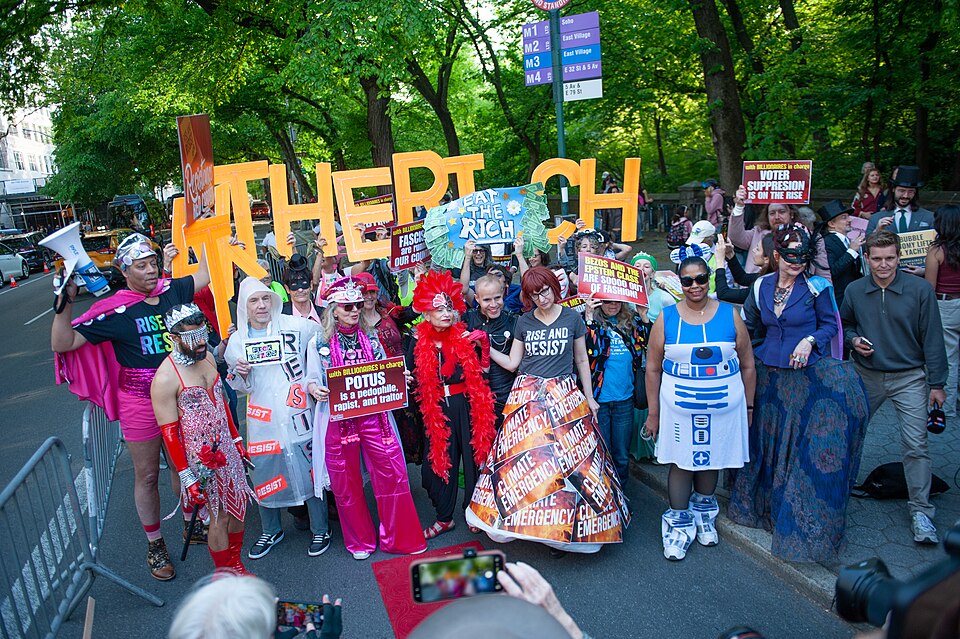
    The Met Gala happened. Again. “Costume Art”. That was the actual theme. Anna Wintour somehow talked Beyoncé, Nicole Kidman, and Venus Williams into throwing a party where famous people pretend clothes are serious intellectual statements.

    They aren’t.

    You get exhausting amounts of fabric dragging up those museum steps. People smiling through the panic. The new Condé M. Nast Galleries are officially open now. The whole exhibition is supposed to prove that the dressed body is fundamentally high art. Maybe it is. Mostly it just looks like very expensive anxiety. You look at these outfits and you don’t think about art history. You think about how nobody can breathe or use a bathroom.

    An absolute circus. We will all watch it again next year.

  • The Turner Prize 2026

    The Turner Prize 2026

    By Sarah Johnson

    The Turner Prize list is out. Simeon Barclay. Kira Freije. Marguerite Humeau. Tanoa Sasraku. They pushed the whole thing up north to MIMA in Middlesbrough this time around. London pretends this matters. It really doesn’t.

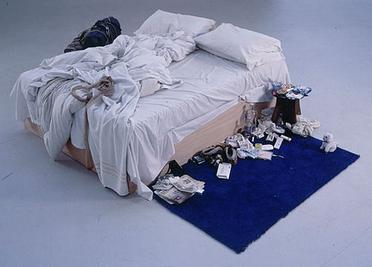
    Humeau is messing around with strange biological sculptures again. Sasraku is ripping up earth and paper. It is all perfectly fine. Extremely safe. We used to get angry about this prize. People used to throw things over unmade beds and dead cows. Now? Now we just nod at the nice paper structures.

    Nobody is getting angry anymore. We are all just incredibly tired. The winner gets announced in December. Someone will hand over a cheque. Everyone will clap politely. Nothing will change.

  • Tracey Emin at the Tate Modern

    Tracey Emin at the Tate Modern

    By Sarah Johnson

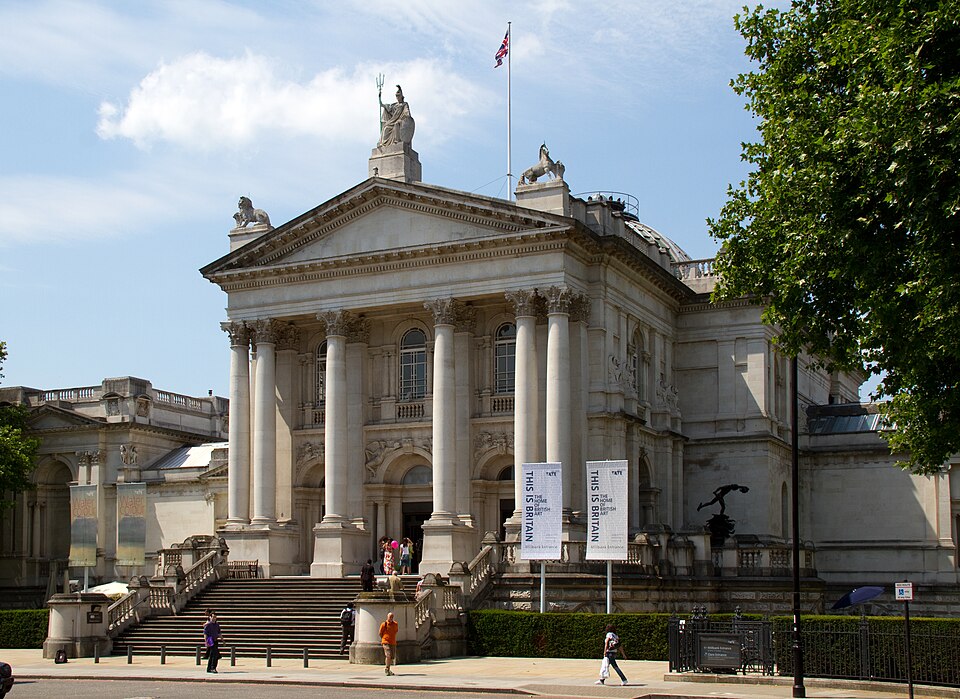
    Tracey Emin is taking up space at the Tate Modern until August. “A Second Life”. You walk in fully prepared to roll your eyes at the neon words and the messy beds.

    You don’t.

    She lived through cancer. She survived it. That brutal, ugly medical fact hangs over the entire show. It changes the gravity of the room. It makes the older pieces look completely different. Less like teenage screaming and more like someone fighting a very long war against her own body.

    It physically hurts to look at some of it. The vulnerability is just entirely aggressive. You want to look away. Which basically means it works. She is still here. She won.

  • Beyond Borders: Visionary Art Gallery Brings ‘Trajectories of Life’ to London

    Beyond Borders: Visionary Art Gallery Brings ‘Trajectories of Life’ to London

    By Sarah Johnson

    London Calling: A Convergence of Motion and Spirit

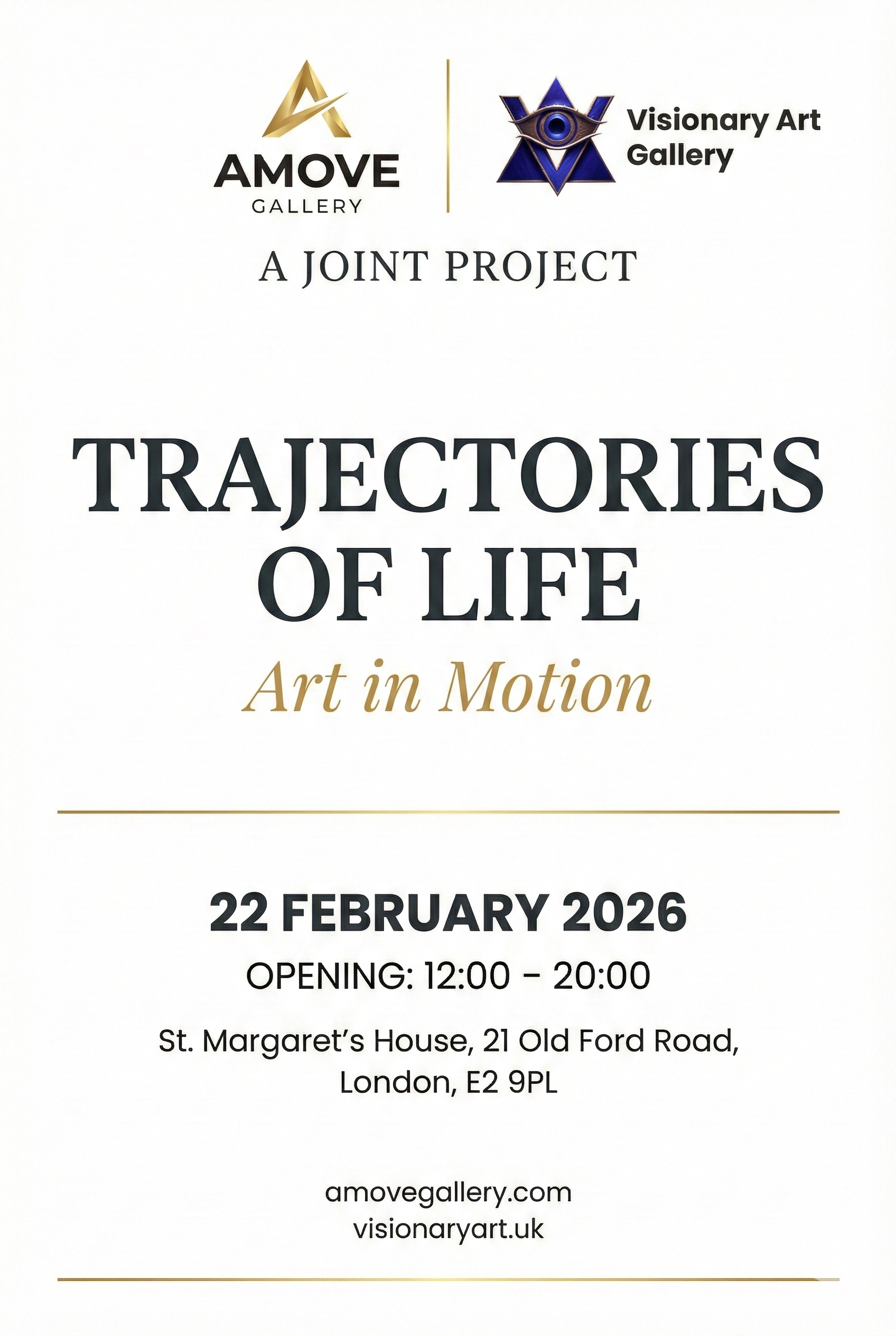
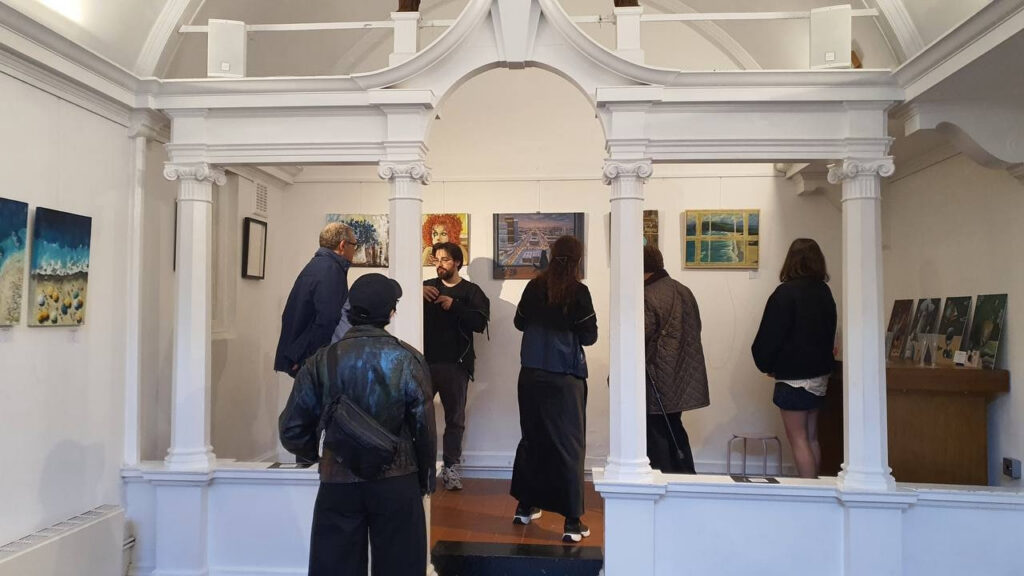
    This February, Visionary Art Gallery (Ruthin, Wales) is proud to announce a landmark collaboration with London’s AMOVE Gallery (Romford, London). Together, we present “Trajectories of Life: Art in Motion”, a curated exploration of how we move through the physical world and how the spirit traverses the metaphysical.

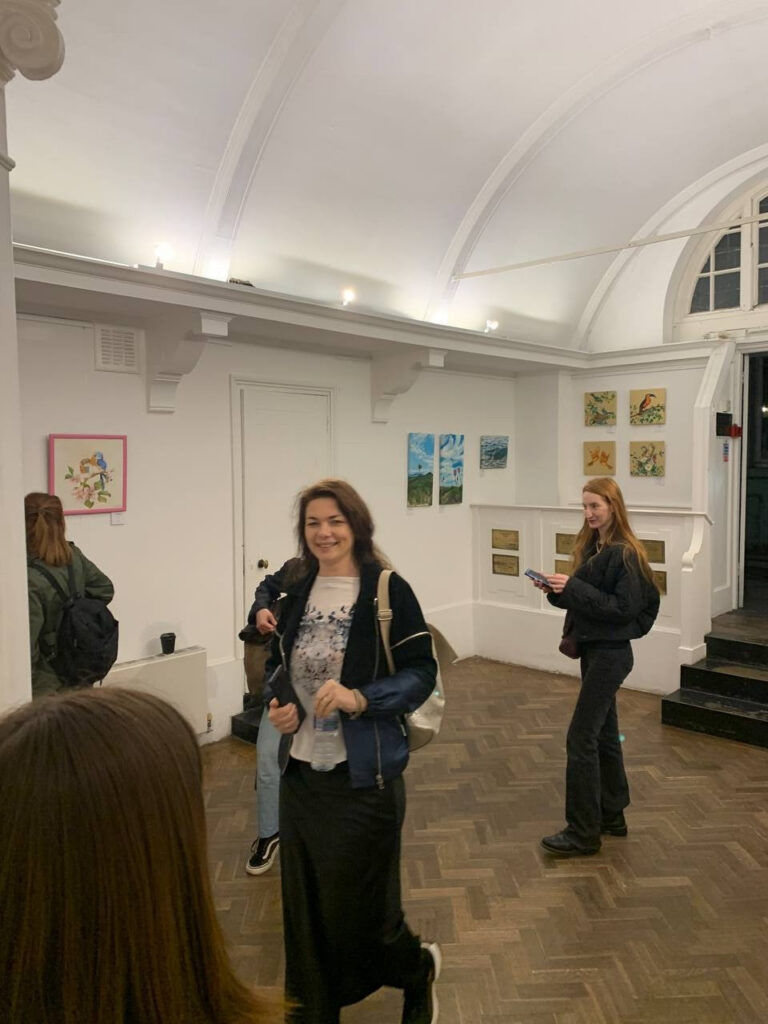
    Art is never static; it is a living, breathing entity that evolves with time. In keeping with our mission to showcase art that transcends the ordinary, we are thrilled to bring our curated selection to the heart of London at the historic St. Margaret’s House.

    A Curatorial Dialogue: Wales Meets London
    This exhibition represents more than just a display of works; it is a strategic and creative dialogue between two cultural hubs. Under the expert guidance of Curator Irina Bogatikova, by joining forces with AMOVE Gallery, we are bridging the distance between the serene landscapes of Wales and the dynamic urban pulse of London.

    The concept of “Trajectories of Life” delves into the philosophical triad of Meaning, Beauty, and Time. It asks a poignant question relevant to every viewer: where are we going today, and what do we choose to take with us?

    The Texture of Time
    Visitors to St. Margaret’s House will be invited to explore parallel realms. The exhibition contrasts the tangible—the hustle of city streets, the architecture of civilization—with the intangible flight of the human spirit.

    We explore time not as a linear constraint, but as a textured material:

    • Frozen within the rigid lines of architectural forms.
    • Fluid and alive in the thick, expressive impasto of painting.
    • Eternal in the contemplation of nature and the future.

    Selected Highlights
    The exhibition features a compelling roster of artists whose work embodies the theme of motion, bridging the gap between emerging and established voices. Highlights include:

    • Victoria Chichinadze: Her bronze sculpture, River of Time, anchors the exhibition, offering a solid, tactile representation of the ephemeral nature of our days.
    • Zibeyda Seyidova: The Breath of the Hidden series invites viewers to look beyond the veil of reality into the mysteries of the subconscious, playing masterfully with light and shadow.
    • Natrix Vibakari: With the Inner Demons series, we confront the internal motions of the psyche—the intimate battles and spiritual movements that happen within us.
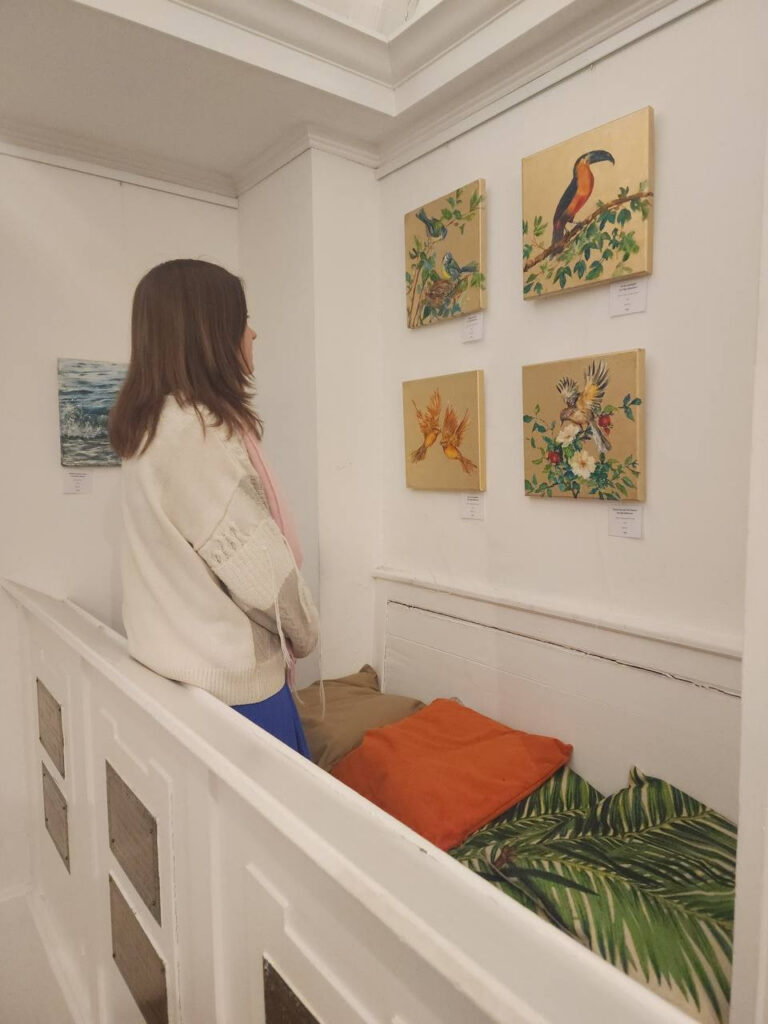
    • Art Liard: Her series Chronicles of Matter invites viewers to contemplate the delicate, transient beauty of nature, captured through the exquisite, layered depiction of a rose suspended in time.
    • Tatiana Kiseleva: In Water, Kiseleva masterfully captures the dynamic, bubbling fluidity of the elements through rich, deeply textured oceanic hues.
    • Nataliia Pivovarova: Her piece Butterfly captures the essence of transformation and the fleeting beauty of the present moment in a burst of vibrant watercolor.
    • IrinirPink Desire offers a deeply textural, visceral exploration of emotion, bringing raw feeling to the surface of the canvas.
    • Katerina BoginaWho is in charge? presents a striking existential tableau, contrasting human silhouettes against a blazing, monumental sun to question our place in the universe.
    • Kate Karp: With Sanguine Observer, Karp utilizes striking, thick impasto to create a piercing red eye that actively watches the viewer, blurring the line between the observer and the observed.
    • Yulia TulegenovaOh, My Heart translates the passionate, rhythmic beating of life into a vortex of thick, expressive reds and pinks.
    • Egor KoltsovThe First Imprint playfully examines the timeline of human creativity, juxtaposing a stylized modern perspective with ancient cave paintings to explore how art moves through millennia.
    • Maria BabinaSchism and Synthesis explores duality and conflict, visually splitting the canvas between stark black and white, united only by a chaotic, textured burst of red.
    • Anastasiia Belyaeva: Her Abstraction evokes the swirling, untamed currents of nature, weaving deep, kinetic blues with brilliant metallic golds.
    • Anna KapranchukMy Friend Has a Dream About… pulls the audience into a surreal, mixed-media dreamscape that traverses the deep recesses of memory and the human subconscious.

    Join Us at the Opening
    We invite our patrons, collectors, and friends of the gallery to join us for this special event. This is an opportunity to witness the synergy of two galleries committed to moving ideas and culture across borders.

    Event Details:

    • Exhibition: Trajectories of Life: Art in Motion
    • Private View: 21 February 2026 | 18:00 – 21:00 (RSVP Only)
    • Opening: 22 February 2026 | 12:00 – 20:00
    • Venue: St. Margaret’s House, 21 Old Ford Road, London, E2 9PL
    • Admission: Free entry

    For full catalogue enquiries or to RSVP for the private view, please contact us at [email protected] or visit our partner site amovegallery.com.

    Visionary Art Gallery — connecting the visionary with the world.

  • Stiwdio Clwyd: A New Anchor for Welsh Creative Talent

    Stiwdio Clwyd: A New Anchor for Welsh Creative Talent

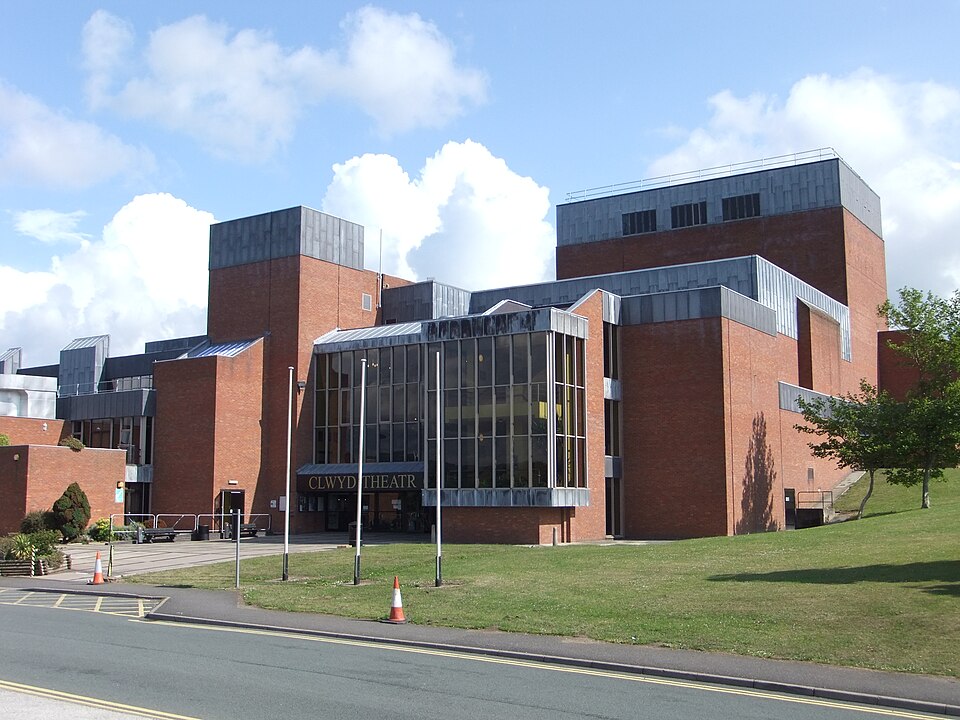
    The landscape of Welsh theatre has shifted significantly this week with Theatr Clwyd’s unveiling of Stiwdio Clwyd, a major new infrastructure project designed to incubate talent within Wales rather than seeing it drain away to London or Manchester. Artistic Director Kate Wasserberg and Executive Director Liam Evans-Ford have positioned this not merely as a workshop series, but as a “watershed moment”—a systemic change in how the nation nurtures its storytellers.

    Breaking the Exodus Cycle

    For decades, a common grievance in the Welsh arts sector has been the necessity of leaving the country to secure high-level development opportunities. Stiwdio Clwyd aims to arrest this exodus by establishing a permanent, nationwide development hub. By formalizing this support structure, Theatr Clwyd is asserting itself as a powerhouse for R&D (Research and Development), ensuring that Welsh voices have the resources to refine their craft on home soil before exporting their work globally.

    Heavy Hitters at the Helm

    The seriousness of this endeavor is underscored by the caliber of industry titans attached to the launch programme. The inclusion of Russell T Davies—perhaps the most significant voice in British television drama—signals that this scheme bridges the gap between stage and screen writing. Furthermore, the involvement of Daniel Evans, Artistic Director of the Royal Shakespeare Company (and a Rhondda native), provides a direct lineage to the highest echelons of classical and contemporary theatre.

    The Programmatic Scope

    While specific curriculum details will evolve, the launch emphasizes three core pillars:

    • Skill Transfer: Direct mentorship from established icons like Davies and Evans.
    • Networking: Connecting emerging Welsh makers with the broader UK industry without requiring relocation.
    • Production Pathways: Creating tangible routes for developed scripts and concepts to reach the stage.

    This initiative suggests that Theatr Clwyd is moving beyond the remit of a producing house to become a foundational institution for the entire Welsh cultural ecology. If successful, Stiwdio Clwyd could serve as the blueprint for regional arts regeneration across the UK.