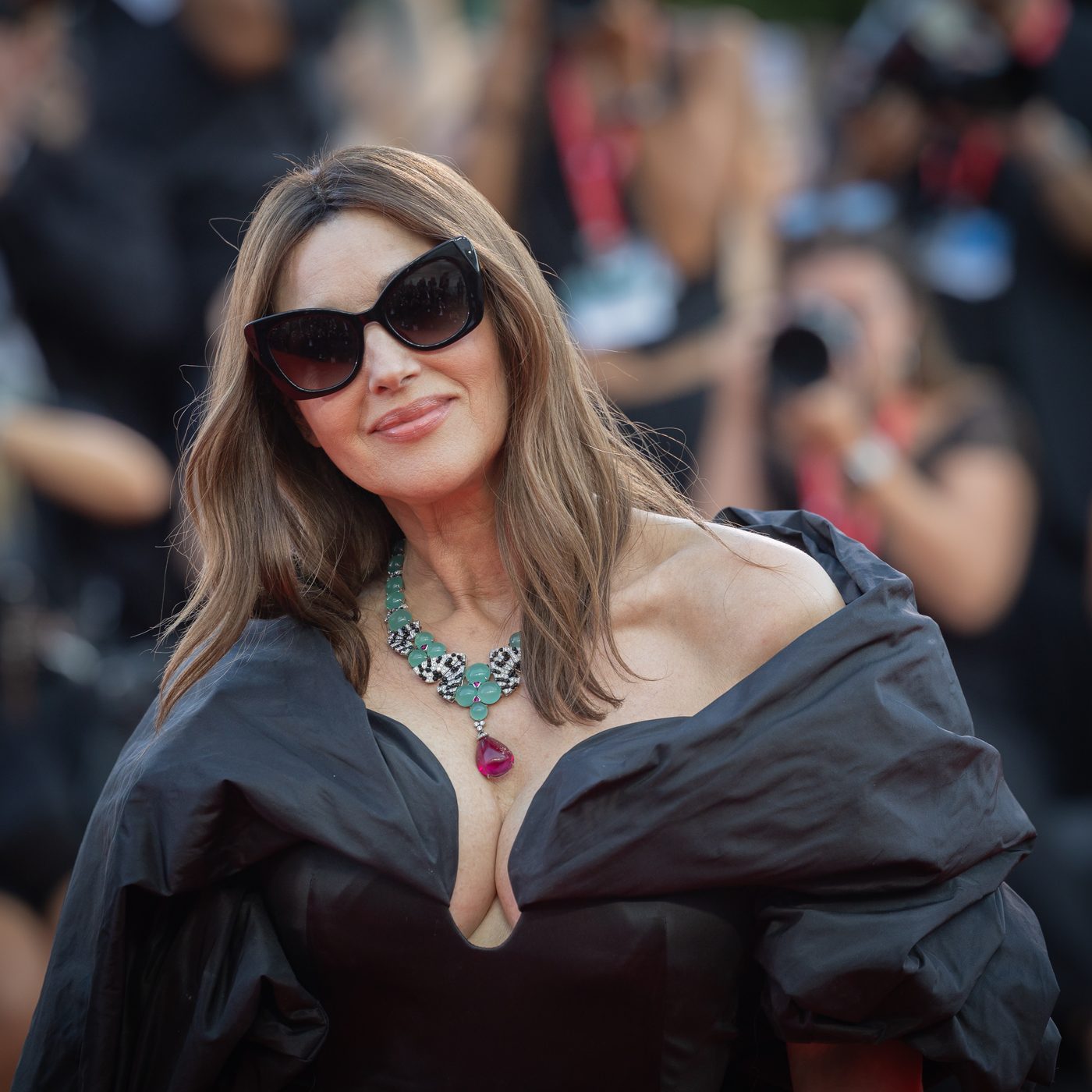
By Sarah Johnson
Updated 29 August 2026 to cover her runway debut at the Dolce & Gabbana Alta Moda show in Sicily on 13 July 2026.
On the evening of 13 July 2026, in a botanical garden outside Giarre on the eastern coast of Sicily, a sixteen-year-old walked out first. Dolce & Gabbana had built its Alta Moda show around the goddesses of Olympus and called it Le Devote delle Dee dell’Olimpo. The girl who opened it wore a one-shoulder gown of black tulle carrying three-dimensional flowers, roses and carnations and hydrangeas crowded together until the dress read less as clothing than as a garden lifted off the ground. Her hair, dressed by Guido Palau, had gypsophila worked through it. She carried a bouquet.
Her name is Léonie Cassel. Her mother, Monica Bellucci, watched from the front row. Within seventy-two hours the debut had been written up in Italy, France and beyond, and a name that had spent sixteen years being deliberately kept out of print became, briefly, one of the most searched in European fashion.
What follows is an attempt to say what actually happened, and why a single appearance on a runway matters more in this particular family than it would in almost any other.
The night in Giarre
Alta Moda is not a fashion show in the ordinary sense. It is Dolce & Gabbana’s couture arm, staged once a year in an Italian location chosen for its theatre, in front of a few hundred clients who have flown in for it. Nothing on the runway is bought from a rail. Each piece is made for a named customer or made to be commissioned, and the evening functions as a private view for people who buy at that level.
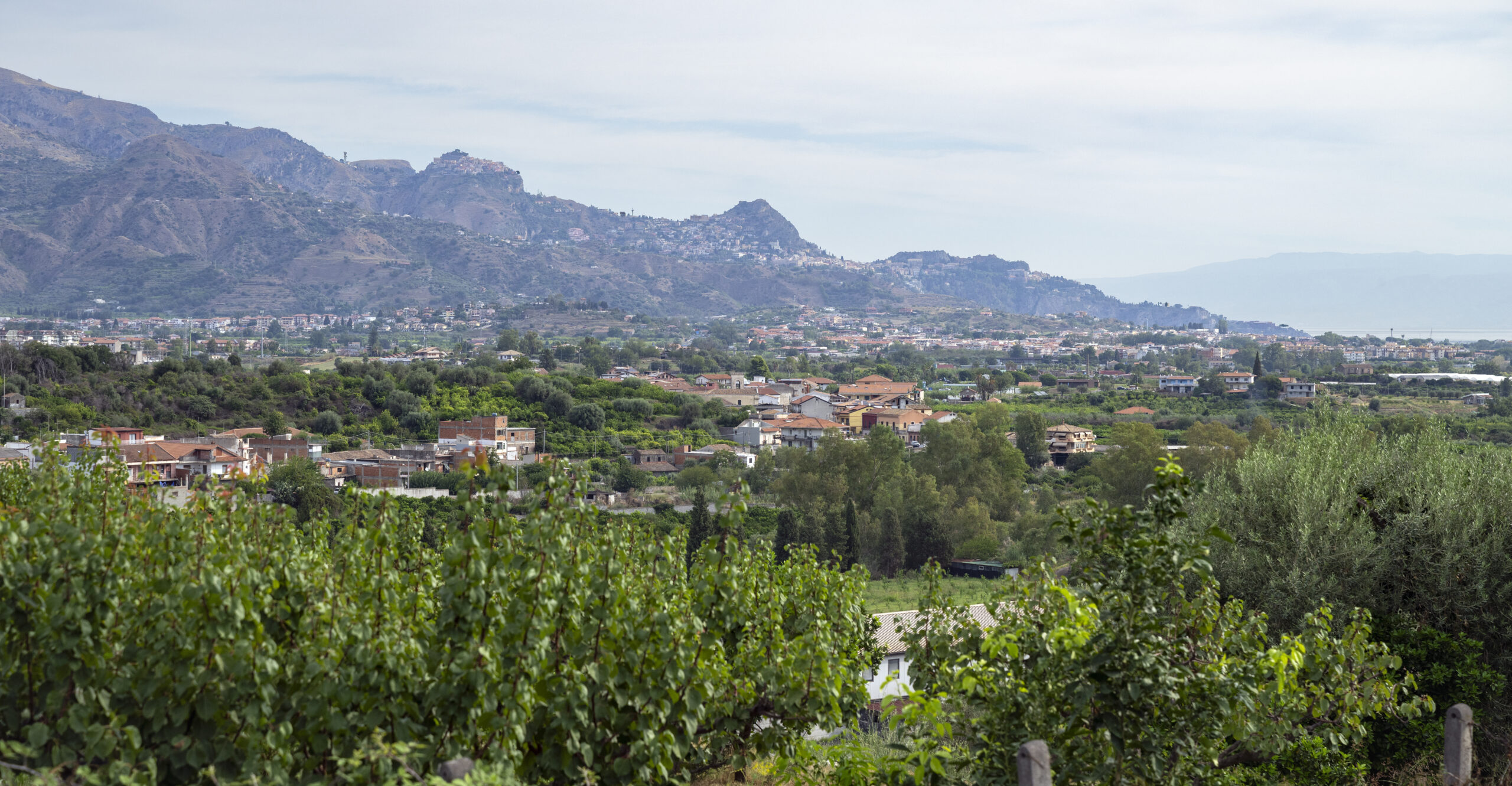
The 2026 edition returned the house to Sicily, which is where its founders have always gone when they want the clothes read as belonging somewhere. The venue was Radicepura, a botanical park at Giarre on the slope below Etna, planted with Mediterranean and subtropical species and normally given over to a garden festival. Staging a couture show among living plants is a decision that shapes everything: the dresses have to survive comparison with the setting.
Opening such a show is not a small assignment handed to a beginner. The first look sets the argument of the collection, and the house chooses it carefully. Giving that place to someone who had never walked a runway before is a statement about the house’s confidence, and about the name.
A fortress of normalcy
To understand what that evening cost, you have to understand what preceded it. In the sprawling and often cacophonous theatre of celebrity lineage, some figures are defined not by presence but by carefully guarded absence. For sixteen years Léonie Cassel was such a figure.
She was born in Rome in 2010, into a dynasty already at its height. The union of Bellucci and Vincent Cassel was more than a marriage; it was a cinematic event, a fusion of two distinct European energies, one Italian and one determinedly French. Her sister Deva had arrived six years earlier. With the second birth Bellucci made a conscious and, by the standards of her profession, radical choice. She pulled back from her career. As she later put it, it was a precise choice, and when she had the children she worked much less, because that was what she needed to do.
That decision shaped everything that followed. Raised between Paris and Rome, Léonie became a child of two cultures and two languages, and was kept fundamentally out of the glare that had defined her parents’ working lives. While the machinery of fame ran on around them, the household operated as a fortress of normalcy, a place where school terms mattered more than premieres.
It is worth being precise about how unusual that is. The children of famous parents are now, as a rule, publicly legible from infancy: managed accounts, posed holiday photographs, an early and profitable arrangement with attention. What the Cassel household did instead was withhold. Sixteen years of withholding is why one runway appearance produced the reaction it did.
A different reflection
For a long time the public narrative was assembled from fragments: a grainy paparazzi frame in Milan, a fleeting glimpse at a family dinner. From those pieces a story took shape, and the story was mostly a comparison.
Deva Cassel, born in 2004, had already made the transition from scion to working model, and did so as a near-perfect echo of her mother: the same dark wavy hair, the same steady gaze, a resemblance so exact that it did half the work of casting. She has modelled for Dolce & Gabbana herself, which matters for what happened in Sicily.
Léonie presented something else. Observers noted lighter colouring and a set of features that seemed to lean toward her father’s side; there were comparisons to her paternal aunt, the actress and singer Cécile Cassel. This is the crude, almost forensic way the world assesses the children of the beautiful, but it pointed at something real. She was not a copy. Whatever she had was a synthesis, and synthesis is harder to place and more interesting when it lands.
That distinction is why the debut read as news rather than as succession. Deva’s arrival in fashion felt like a continuation. Léonie’s did not feel inevitable, and the industry pays attention to what it cannot predict.
The weight and the wings of a name
No amount of protection erases a name like Cassel. The line runs back to her grandfather, Jean-Pierre Cassel, one of the defining French screen actors of his generation, a dancer’s presence in the cinema of the 1960s who worked into old age. To be born into that is to inherit a world of film and art and an inescapable public curiosity about your face.
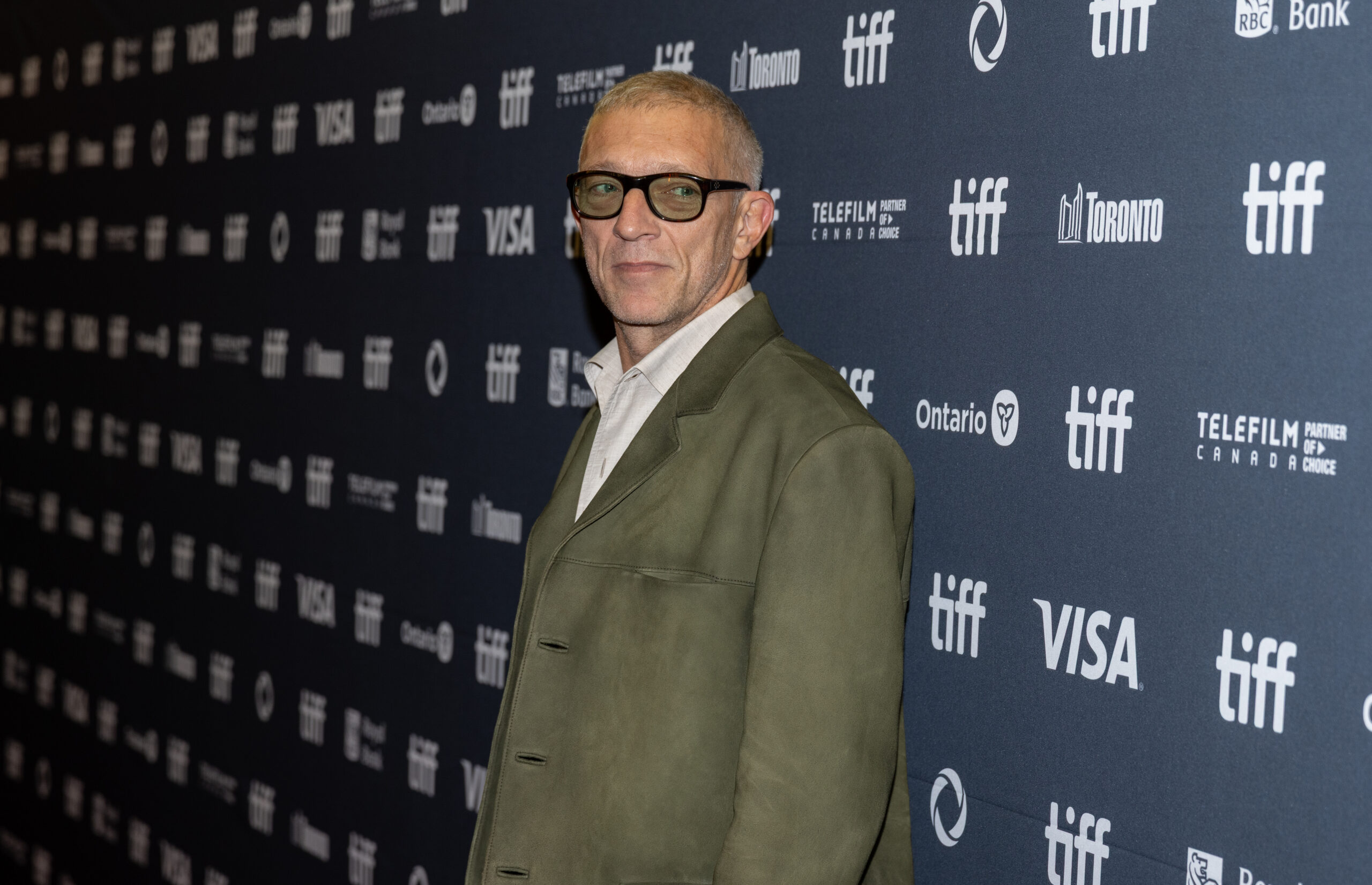
The family has also changed shape around her. Bellucci and Cassel married in 1999 and separated in 2013, and the ending was handled with a deliberate quietness that kept the daughters out of the reporting. Vincent Cassel’s later relationships have added children to the picture, among them a half-sister, Amazonie, with Tina Kunakey, and a son born in early 2025. It is a modern, extended arrangement, and the striking thing from outside is how little of it has been conducted in public.
The inheritance, then, is not simply beauty or access. It is a demonstrated family competence at controlling exposure. That is a rarer asset in this industry than either of the other two, and it is the one most likely to determine what happens next.
Why this house, and why her
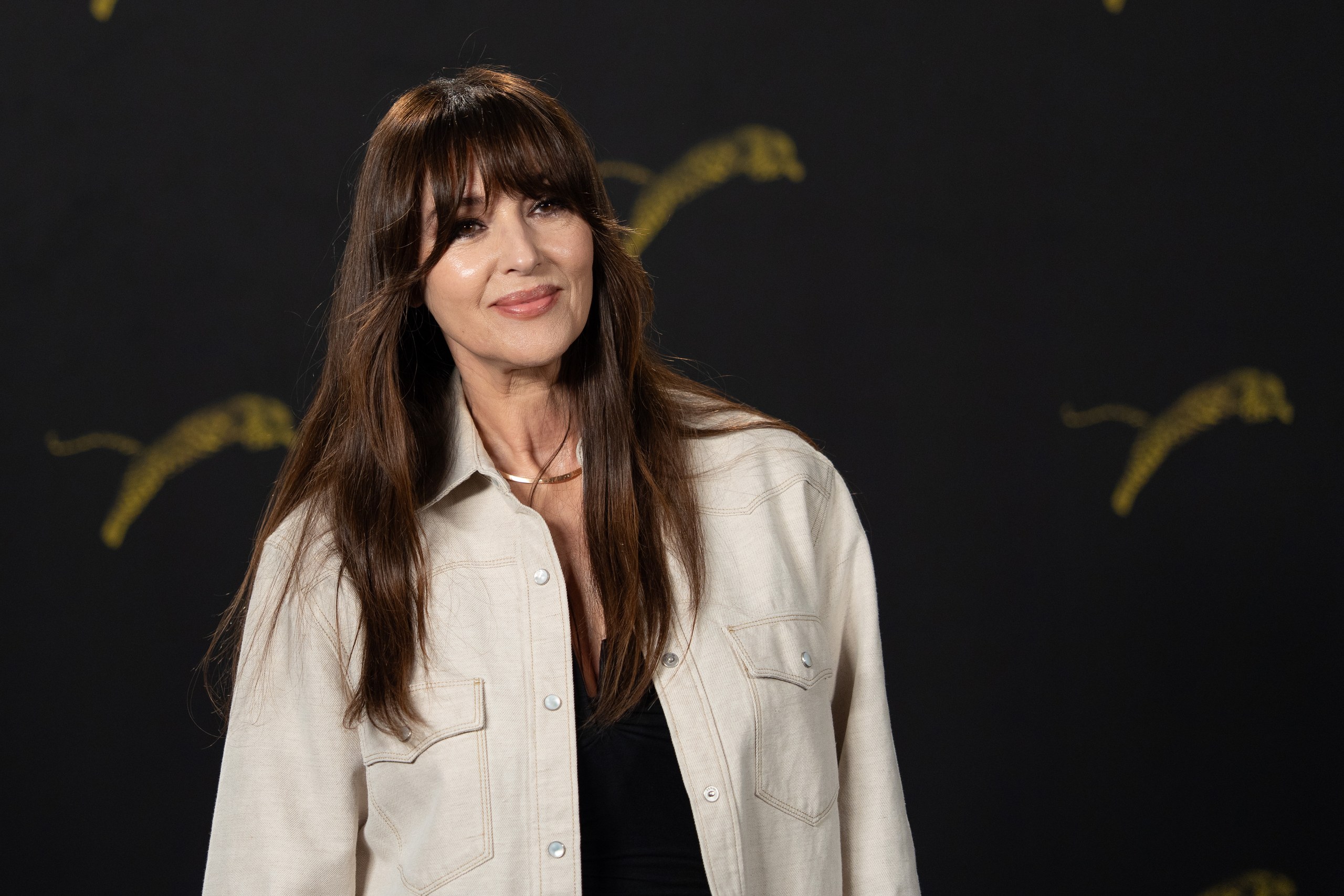
The casting was not a coincidence and was never going to be read as one. Monica Bellucci has been associated with Dolce & Gabbana for decades, one of the faces through which the house explained itself to the world, and the relationship long predates her daughters. Deva has walked and modelled for the same house. Putting Léonie at the front of an Alta Moda show in Sicily is the house drawing a line through three points and inviting everyone to see the line.
There is a commercial logic underneath the sentiment. Couture clients buy continuity. A house that can show the same family across thirty years is making an argument about permanence that no marketing budget can buy outright, and it is doing it in front of the few hundred people whose orders fund the department.
There is also a risk, and it is worth naming. A sixteen-year-old opening a couture show is a minor placed at the centre of an adult commercial event, and the coverage that follows is not something she controls. The industry has become more careful about this than it was, with age minimums and chaperoning rules that did not exist twenty years ago, but the underlying tension does not disappear because a rule has been written. It is reasonable to find the evening beautiful and still notice the tension.
What a debut like this actually means
It is easy to overstate. One appearance does not make a career, and fashion is full of famous surnames that walked once and were not asked again. What a debut of this kind reliably produces is a set of options rather than a trajectory.
It creates a record. Before 13 July there were no professional images of her. Now there is a body of work, shot by accredited photographers, attached to a named collection and a dated event. That is the raw material every subsequent booking is made from.
It fixes a register. Opening couture in Sicily places her in a particular part of the market, closer to the ceremonial and the historic than to street casting or the sharp end of ready-to-wear. First impressions in fashion are unusually durable, and this one was chosen with care.
It transfers a decision. Until now the family controlled whether she was visible at all. After a debut the question changes: not whether to appear, but how often, and for whom, and at what point school stops being the thing that organises the year. Families who have managed this well tend to be the ones who say no a great deal in the eighteen months afterwards.
What it does not do is settle anything about talent. A runway tells you how someone moves in front of an audience for ninety seconds. It says nothing about whether they want the work, and the children of actors are, if anything, better informed than most about what the work costs.
The dress, as an object
It is worth slowing down on the garment, because couture is the part of fashion that still answers to the standards of a craft rather than a market. A gown of black tulle carrying three-dimensional flowers is not decorated after the fact. The flowers are constructed individually, in silk and organza and occasionally in materials stiff enough to hold a petal’s curve, then wired and placed so that the whole arrangement moves as one thing when the wearer walks. Roses, carnations and hydrangeas each demand a different solution: a rose is a spiral, a carnation is a fringe, a hydrangea is a crowd of small identical units that has to look accidental.
The work is measured in weeks and in named hands. That is the argument couture makes against everything else being sold in the same season, and it is the reason such a collection is shown to a few hundred people in a garden rather than broadcast to a stadium. The buyer is being shown labour, not novelty.
Placing that dress on a first-time model rather than a practised one is a deliberate reversal. A veteran presents a garment. A sixteen-year-old wearing something that elaborate is presented by it, and the house was plainly willing to let the dress do the carrying.
The dynasty question, without the sneer
The debut arrived into an argument that fashion and film have been having loudly for several years about inherited access. The shorthand is unkind and not very useful, because it treats every case as identical when the interesting differences are all in the particulars.
Two things are true at once. Access is real: a surname opens a door that talent alone would take years to reach, and pretending otherwise insults everyone standing outside it. And the door only opens once. Fashion is unsentimental about second bookings, and a model who cannot work is not rebooked whoever their parents are, because the client paying for the campaign has no interest in the family tree.
What a name buys, precisely, is the first appointment and the benefit of the doubt. What it cannot buy is the fifth year. The useful test is therefore not whether the debut was fair but what the record looks like in 2029, and nobody can answer that yet, including the house that cast her.
There is also a version of this story that is simply about a family business. Fashion has always worked through continuity, and the industry that photographed Bellucci at twenty-five was never going to be indifferent to her daughters. The only genuinely unusual element here is the delay: sixteen years is a long time to keep the door shut when it would have opened at any point.
Questions readers ask
Who is Léonie Cassel?
She is the younger daughter of the Italian actress Monica Bellucci and the French actor Vincent Cassel, born in Rome in 2010 and raised between Rome and Paris. She was sixteen when she made her runway debut in July 2026.
When did she make her runway debut?
On 13 July 2026, opening the Dolce & Gabbana Alta Moda show at Radicepura in Giarre, Sicily. The collection was titled Le Devote delle Dee dell’Olimpo.
What did she wear?
A one-shoulder black tulle gown covered in three-dimensional floral appliqués, including roses, carnations and hydrangeas, with gypsophila worked into her hair by Guido Palau. She carried a bouquet.
How is she related to Deva Cassel?
Deva, born in 2004, is her older sister and an established model who has worked with Dolce & Gabbana. The comparison between the sisters has shaped most of the writing about Léonie, usually to the point of obscuring her.
Why was her debut treated as significant?
Because of the contrast. Her parents kept her out of public view for sixteen years, so there was no accumulated familiarity to blunt the moment, and because opening an Alta Moda show is a position a house assigns deliberately rather than casually.
Is she a professional model now?
One appearance is not a career. She has a debut and a set of professional images; whether that becomes a working life depends on decisions that have not been made publicly, and on a family with a long record of declining exposure.
After the flowers
The dress in Giarre will be remembered as an image before it is remembered as a garment, which is what couture is designed to achieve. For the house it was a night of continuity. For the audience it was a striking picture. For the person wearing it, it was the end of a period of privacy that her mother spent a career protecting.
The interesting question is not whether she will be photographed again. She will. It is whether the same discipline that kept her out of view for sixteen years can be applied to the next sixteen months, when every house in Europe now knows her name and the easiest thing in the world is to say yes.