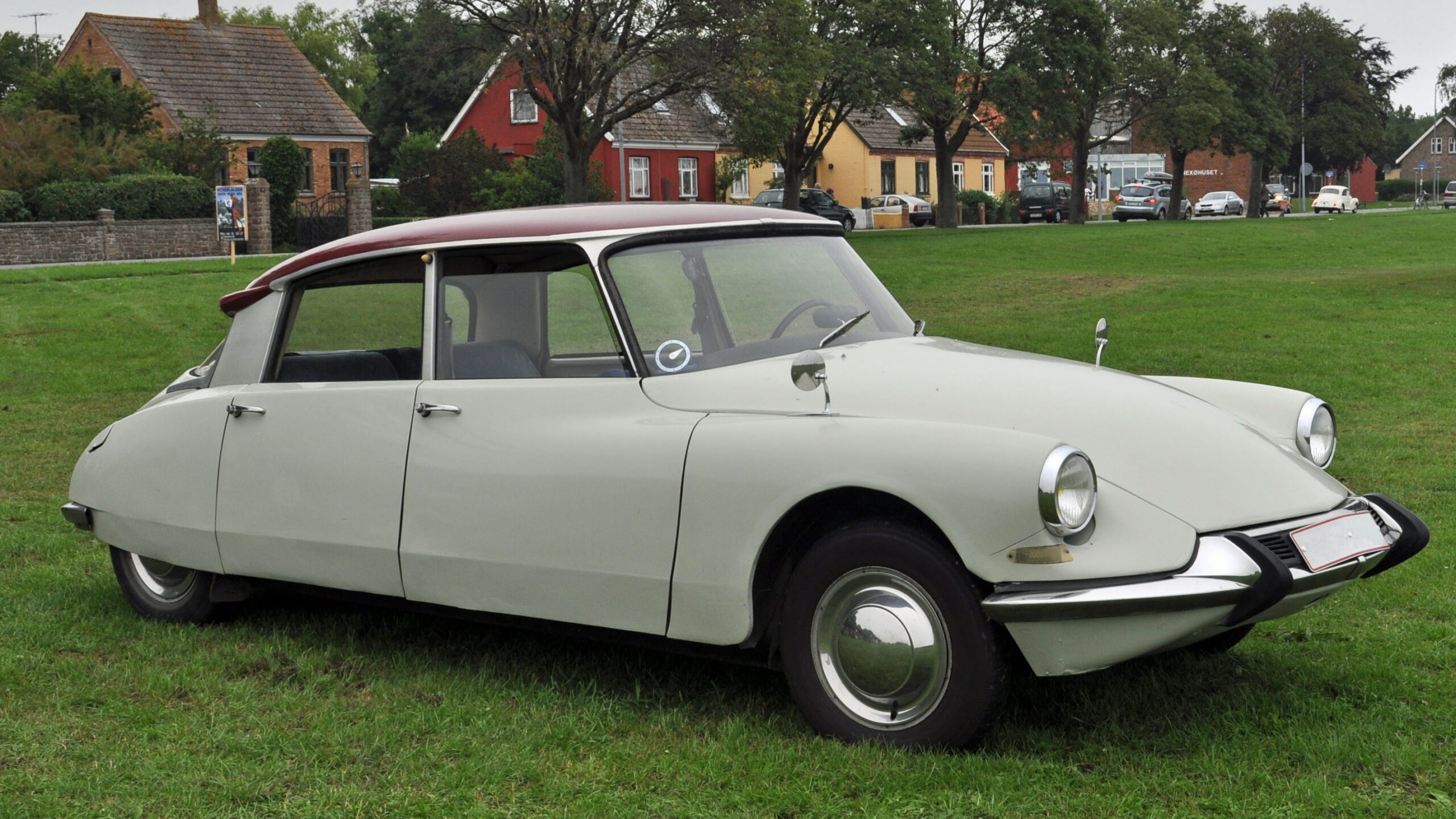
Park a 1959 Cadillac next to a 2020s electric crossover and you are looking at two arguments about what it means to be modern, made in steel and glass. The car is one of the most revealing design objects of the last century precisely because it is so public. We wear our houses on the inside; we wear our cars on the road, where everyone can read them. Automotive design is portraiture by other means — and the portrait is partly of ourselves.
The history of the car’s shape is a history of feeling. The tail fins of the late 1950s were not aerodynamic; they were optimism, a borrowed vocabulary from jet aircraft and the space race, fins that said the future was arriving and it would be fast and chromed. The boxy, upright cars of the 1970s and 80s spoke of a different mood — pragmatism, oil shocks, a retreat from fantasy. The soft, jelly-mould aerodynamics of the 1990s smoothed those anxieties away. Each era’s cars look, in retrospect, like a diagram of its hopes.
Great car designers have always understood that they were shaping meaning, not just metal. Battista “Pinin” Farina, whose studio gave form to generations of Ferraris, spoke of the line of a car the way a sculptor speaks of contour. The original Mini, the Citroën DS — which Roland Barthes famously compared to a Gothic cathedral, “the supreme creation of an era, conceived with passion by unknown artists” — and the first Porsche 911 are studied in design schools as seriously as any chair or building. They are functional objects that crossed, somewhere, into the territory of art.
The choices we make as buyers complete the picture. The car is among the most legible status symbols ever devised: brand, model, age, condition and cleanliness all broadcast a set of claims about income, values and self-image. The deliberately austere electric saloon, the restored classic, the enormous off-roader that never leaves the city — each is a costume, a statement about how its owner wishes to be read. We do not simply buy transport. We buy a sentence about ourselves and drive it around.
Now the form is changing again. Electrification has freed designers from the engine and the grille, the long bonnet that once dictated a car’s proportions. The result is a fresh argument about the future — cleaner, quieter, more screen than chrome — that future decades will read as clearly as we read those tail fins. The car will go on being a mirror. It always has been. The only question is what we will see in it next.