Nsectetur adipisicing elit, sed do eiusmod tempor incididunt ut labore et dolore magna aliqua. Ut enim ad minim veniam, quis nostrud exercitation ullamco laboris nisi ut aliquip ex ea commodo consequat. Duis aute irure dolor in reprehenderit in voluptate velit esse cillum dolore eu fugiat nulla pariatur.
Nsectetur adipisicing elit, sed do eiusmod tempor incididunt ut labore et dolore magna aliqua. Ut enim ad minim veniam, quis nostrud exercitation ullamco laboris nisi ut aliquip ex ea commodo consequat. Duis aute irure dolor in reprehenderit in voluptate velit esse cillum dolore eu fugiat nulla pariatur.
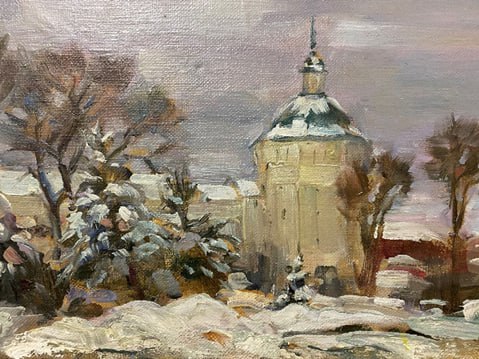
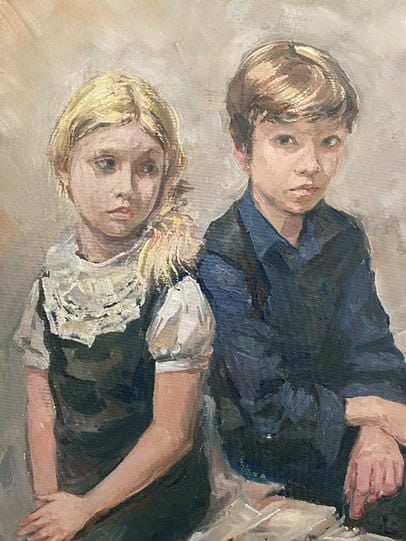
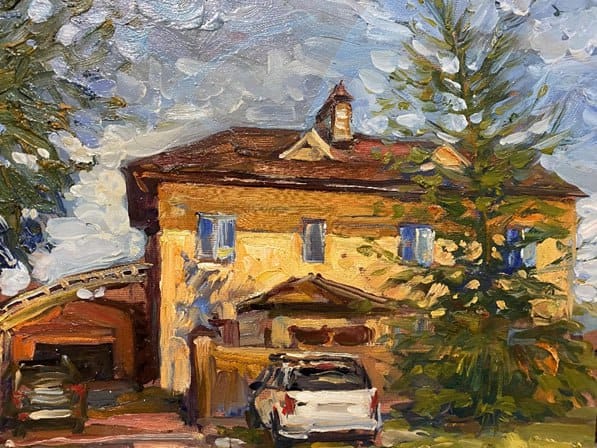
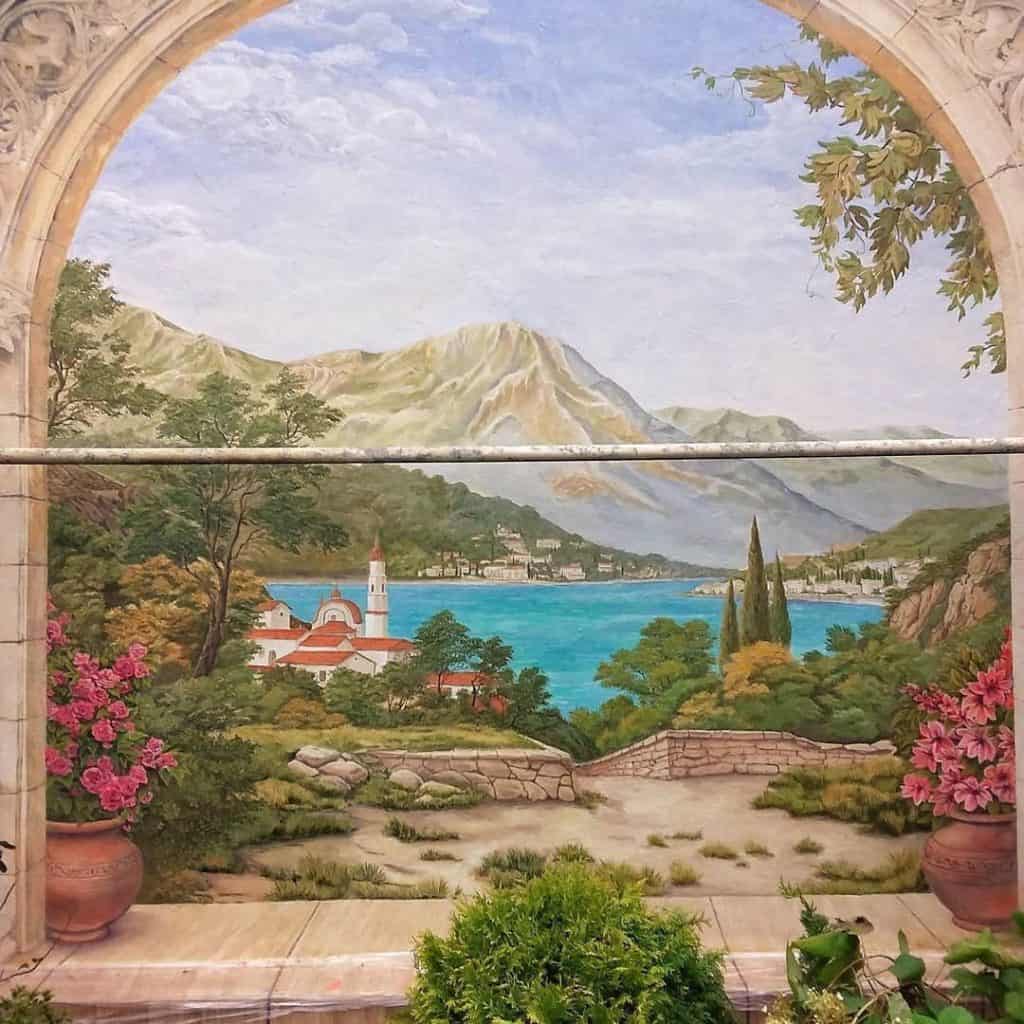
Step into the virtual gallery “Portal to the Imaginary: A Journey Through Traditional Art Landscapes” at Ruthin, where the artist Anna Zhila captures the essence of the human spirit and the charm of the mundane. The collection of portraits and landscapes envelops the spectator in the ambience of a serene, age-old town brimming with distinctive individuals and unassuming architecture. Anna Zhila’s artwork safeguards heritage and ideals that usher us into a realm of peace and creativity.
Be sure to experience this remarkable exhibition from 1 to 30 March 2024, and delve into a universe of exquisite and singular art.
In the heart of Central Asia, Kazakhstan’s contemporary art scene is flourishing with a unique blend of tradition and modernity. This article offers a critical review of ten groundbreaking works from Kazakhstani artists, each piece a narrative of the nation’s vibrant cultural evolution.
The Vanguard of Visual Narratives
Kazakhstan’s contemporary artists are not just creators; they are storytellers, historians, and visionaries. Their works are a testament to the country’s rich heritage and its dynamic progression into the 21st century. From the avant-garde to the subtly sublime, these ten artworks encapsulate the essence of a nation at the crossroads of history and innovation.
A Tapestry of Techniques and Themes
The diversity of mediums and motifs in Kazakhstani contemporary art is staggering. Artists employ everything from traditional textiles to digital media, creating a dialogue between the past and the present. The themes are as varied as the landscape of Kazakhstan itself, ranging from the deeply personal to the broadly political.
The Artworks
Said Atabekov’s ‘Steppe Wolves’ – A powerful installation that explores the nomadic roots of Kazakhstan and the impact of modern society on these ancient traditions.
Almagul Menlibayeva’s ‘Transoxiana Dreams’ – A haunting video art piece that weaves together the threads of mythology, gender, and environmental issues.
Erbossyn Meldibekov’s ‘Family Album’ – A poignant photographic series reflecting on the Soviet legacy and the search for a post-Soviet identity.
Yerbossyn Meldibekov’s ‘Mountains of Revolution’ – Sculptures that juxtapose iconic Soviet architecture with the natural landscapes of Kazakhstan.
Zauresh Terekbay’s ‘The Red Apple’ – A bold painting that challenges traditional gender roles within Kazakh society.
Askhat Akhmediyarov’s ‘The Wall’ – An immersive installation that confronts viewers with the barriers—both physical and metaphorical—that define our world.
Gulnur Mukazhanova’s ‘Cultural Patterns’ – Textile works that blend ancient motifs with contemporary fashion, questioning the commodification of culture.
Rustam Khalfin’s ‘New Nomads’ – A series that reinterprets the nomadic lifestyle in a modern context, using mixed media to provoke thought about mobility and space.
Aida Mahmudova’s ‘Nostalgia’ – Paintings that evoke a sense of longing and memory, beautifully capturing the landscapes of the artist’s homeland.
Smail Bayaliyev’s ‘Kashma’ – A sculpture series that revisits the traditional Central Asian wool craft, transforming it into a statement on contemporary art and identity.
The Global Resonance of Kazakhstani Art
Kazakhstan’s contemporary art is not confined to its geographical borders; it resonates on a global scale. The ten works reviewed here are but a glimpse into a burgeoning art scene that promises to make significant contributions to the international dialogue on contemporary art. As Kazakhstan continues to navigate its post-Soviet reality, its artists remain at the forefront, painting a future where tradition and modernity coexist in a vibrant, visual harmony.
In the realm of Central Asian art, Tajikistan emerges as a vibrant hub of creativity and expression. This article offers an in-depth review of ten contemporary artworks that not only define the nation’s artistic pulse but also resonate with the global art community. Each piece is a testament to the unique blend of tradition and innovation that Tajik artists bring to the canvas.
Embracing Tradition in Modern Artistry
Tajikistan’s contemporary artists are renowned for their ability to weave the rich tapestry of their cultural heritage into modern expressions. They draw inspiration from the country’s stunning landscapes, intricate folklore, and complex history, creating artworks that are both deeply personal and universally appealing.
The Artworks: A Diverse Spectrum
Marifat Davlatova’s ‘Everyday Grace’ – A series that captures the daily lives of Tajik women, combining traditional attire with contemporary themes.
Farrukh Negmatzade’s ‘Nature’s Embrace’ – Paintings that celebrate the natural beauty of Tajikistan, reflecting the artist’s abstract and monumental style.
Eraj Olimov’s ‘Rural Reverie’ – Artworks that depict the serene rural life of Tajikistan, highlighting the country’s pastoral charm.
Olim Kamalov’s ‘Cultural Canvas’ – Pieces that showcase the richness of Tajik traditions through a modern lens.
Bakhrom Ismatov’s ‘Ziddi’ – A painting that portrays the peaceful colours and landscapes of Tajik towns and villages.
Sabsaly Sharipov’s ‘Black and White’ Poliptikh – A series that stands as a stark, discomforting reminder of the Tajik Civil War, using a dark colour palette.
Rahim Safarov’s ‘Reflections’ – Though not explicitly about the Civil War, Safarov’s works are thought to be inspired by the conflict’s impact on Tajik society.
Gulnara Kasmalieva’s ‘Urban Echoes’ – Art that explores the intersection of Tajikistan’s urban development and traditional values.
Shirin Nazarova’s ‘Textile Tales’ – Works that reinvent Tajik textile patterns, infusing them with contemporary artistic narratives.
Karim Toulbaev’s ‘Soviet Shadows’ – Paintings that delve into the Soviet influence on Tajikistan, portrayed through a modernist approach.
Tajikistan’s Artistic Voice in the Global Chorus
The ten contemporary works reviewed here are but a glimpse into Tajikistan’s thriving art scene. Each artist contributes a unique voice to the global chorus, ensuring that Tajikistan’s artistic heritage continues to inspire and engage audiences worldwide. As the nation’s artists navigate the waters of contemporary expression, they remain anchored in the rich cultural depths that define their work.
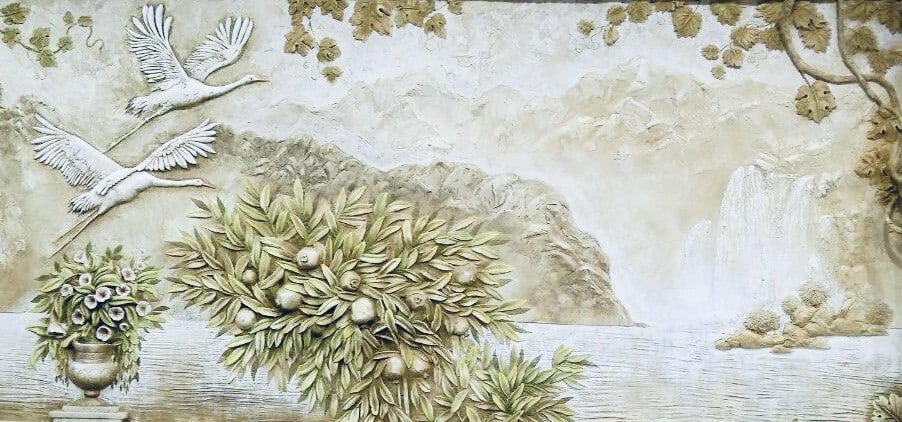
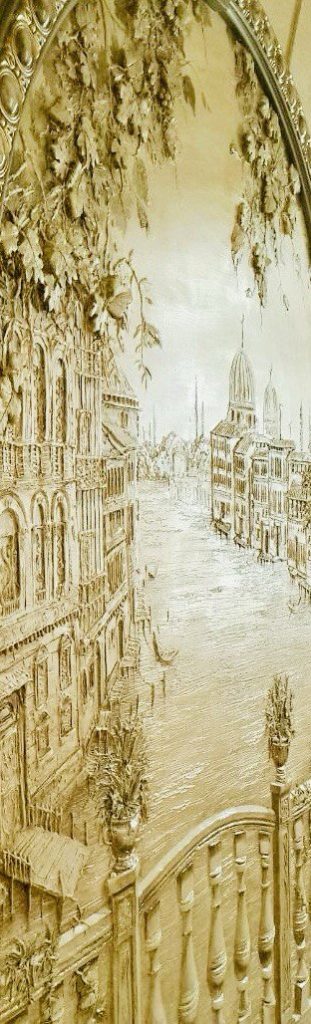
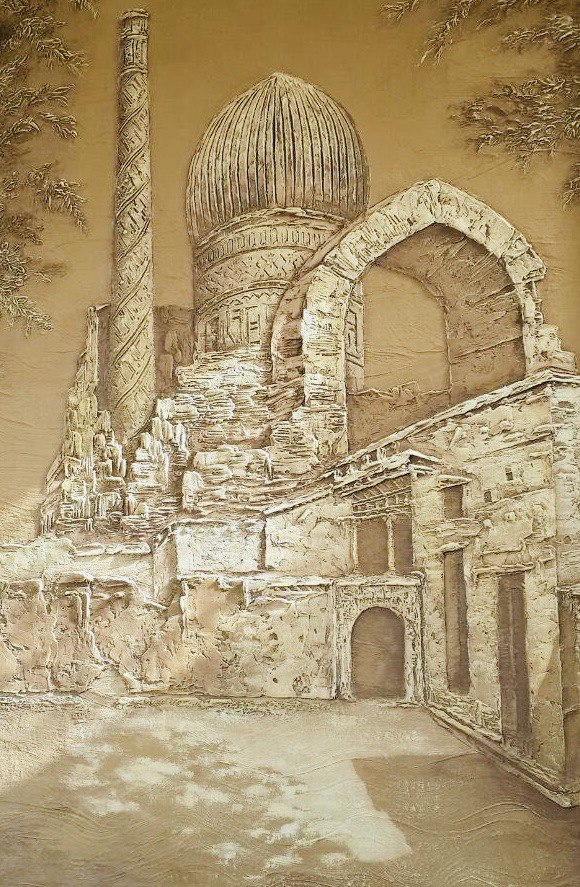
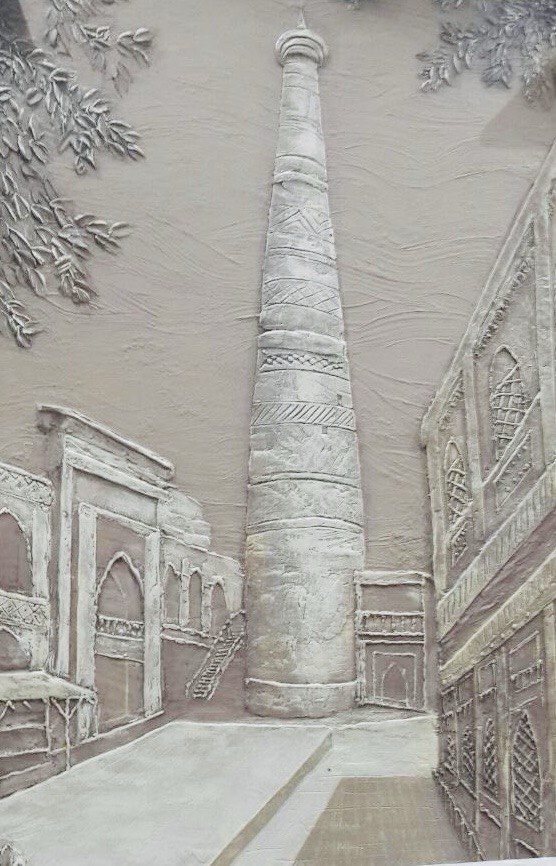
Embark on a virtual odyssey through the monumental visions of Khamdamov Radmirdjon, whose series “Echoes of East” redefines the essence of grandeur in art. This compelling collection is a tribute to Radmirdjon’s virtuosity, an enthralling blend of grandiose scale and intricate detail, inviting connoisseurs to delve into the expanse of human experience and the limitless potential of artistic expression.
Khamdamov Radmirdjon’s virtual exhibition, hosted in Ruthin, unfolds from December 1 to 31, 2023, showcasing a selection of five masterpieces, each a portal to his remarkable perspective of existence. These creations infuse vigor into the artist’s profound revelations, luring you into a realm where art and reflection merge effortlessly.
Sea SideGardenVeniceKhivaCitadel
Khamdamov Radmirdjon’s virtual exhibition is a journey of discovery that will captivate you with the magnificence of human creativity and the transformative essence of art. As you navigate the contours of his works, be prepared to be enthralled by the synthesis of creativity and the enduring charm of the artistic soul.
Maria Bregman is a writer, art historian, music, literary, and art critic, producer, and curator. She is widely recognised for her in-depth research into contemporary and classical art, literature, and music, as well as her contributions to fostering cultural exchange. Her curatorial work spans exhibitions and events across the international cultural scene, encompassing art, literature, music, ballet, and other art forms.
With over a decade of experience in critical writing, Bregman has authored analytical and critical articles for leading publications, including Life Magazines (London North editions), ArtCulture UK, Creativitys.UK, Afisha London, BLUR Art Magazine, London Post, Cultural Initiative UK, and It’s Book Magazine. As a presenter of a programme on CultFM and the creator of a project on the Cultura TV channel, Bregman has played a pivotal role in bringing art to a wider audience. Her work focuses on the intersection of emotional resonance and artistic innovation, while also highlighting underrepresented voices in the creative sphere.
Maria has also curated solo exhibitions for renowned artists, including Zurab Tsereteli, and group exhibitions under the auspices of the International Federation of Artists (IFA). In the 2010s, she initiated international cultural exchanges and contemporary art exhibitions, fostering dialogue between artists and audiences. Her efforts extended to organising numerous music and cultural festivals in the UK, Tunisia, Israel, and Russia, as well as creative receptions under the patronage of UNESCO and the Russian Academy of Arts.
Her contributions to the arts include serving on the jury of prestigious awards, such as the Vasily Kandinsky Art Prize, the Creativitys UK Award, and as a member of the organising committee for the SIFFA Award.
Maria holds a distinguished academic background, having studied at the Presidential Academy of National Economy and Public Administration (RANEPA, Faculty of Television and Journalism), the Maxim Gorky Literary Institute, and its Higher Literary Courses. Her education laid the foundation for her expertise in critical analysis and creative storytelling.
As a member of the Union of Russian Writers, the Union of Artists and Musicians under the UN Foundation, and the Union of Journalists, Maria Bregman holds a significant position in the international cultural landscape.
Unveiling “Ambrosia: Nectar of the Gods and Sisyphus’ Eternal Torment”: A Kaleidoscope of Symbolism and Struggle
In the vast landscape of contemporary art, Katerina Karp stands as a luminary. Her artwork “Ambrosia: Nectar of the Gods and Sisyphus’ Eternal Torment” beckons the viewer into a realm where mythology and symbolism intertwine in a delicate dance. Set against a backdrop of an angry red sky fragmented by calming blue hues, the composition invites an exploration of human resilience and the age-old quest for transcendence.
The Dance of Colors: A Dichotomy of Triumph and Despair
Karp’s masterful use of color immediately captures the viewer’s attention. The striking juxtaposition of red and blue forms a powerful dichotomy, symbolizing the eternal struggle between triumph and despair. The fiery red sky, turbulent and intense, embodies the trials and adversities of human existence. On the other hand, the touches of calming blue evoke a sense of tranquility and hope, hinting at the eternal human desire to transcend obstacles and seek solace.
The Stone: A Metaphor for Triumph and Adversity
At the core of the composition lies a central figure, a man who defies the impossible. He stands tall, bearing the weight of an enormous stone, elevated to the pinnacle of the world. This stone is the embodiment of his triumph, an emblem of his Herculean achievement in a world fraught with challenges. The artist’s decision to paint the stone in the same color scheme as the fiery sky is deliberate. It adds an eerie duality to the narrative, portraying the stone as both a symbol of accomplishment and a monstrous entity lurking in the background.
Sisyphus Reimagined: The Eternal Struggle and the Duality of Existence
The artwork unfolds as a profound allegory, drawing inspiration from the ancient Greek myth of Sisyphus, the king condemned to roll a boulder up a hill for eternity. However, Karp presents a unique twist to the tale, suggesting that Sisyphus might have conquered his relentless task. The central figure’s triumphant stance and the stone’s elevated position symbolize the possibility of transcending the burden of an unending cycle. Yet, a sense of intrigue lingers in the stone’s malevolent grin, casting doubt on whether the monster within has truly been subdued or awaits its moment to regain power. This duality invites us to contemplate the complexity of human existence, where success and adversity often coexist.
Echoes of Time: Mythology and Contemporary Relevance
Katerina Karp’s artwork resonates deeply with the themes of existentialism and mythology. It draws from the wellspring of Greek mythology, tapping into the enduring story of Sisyphus—a character emblematic of the human condition’s struggles. While rooted in mythology, the artwork finds a contemporary resonance, reflecting the challenges of modern society. The choice of a fiery red sky may allude to broader societal and global adversities, positioning the piece as a reflection of the contemporary human experience.
A Unique Artistic Voice: Katerina Karp’s Place in the Artistic Canon
In the realm of art history, Katerina Karp’s “Ambrosia: Nectar of the Gods and Sisyphus’ Eternal Torment” aligns with a tradition of narrative-driven artworks exploring the complexities of the human experience. Artists like Hieronymus Bosch and Francisco Goya, known for their surreal and allegorical works, share thematic similarities with Karp’s creation. Karp’s distinctive use of color and her reimagining of the Sisyphus myth set her work apart as a unique and thought-provoking contribution to the genre.
Ekaterina Istomina, known artistically as Katerina Karp, is a dynamic and versatile digital and visual artist whose creative path is a testament to her unwavering passion for art and her relentless pursuit of exploring the depths of human emotions and existence.
A pivotal aspect of Katerina’s artistic technique lies in her profound focus on metaphorical relationships, particularly centered around the theme of immortality. Her unique visual storytelling technique serves as a captivating metaphor for the human desire for longevity. This distinctive approach not only captivates viewers but also invites them to delve into the depths of human longing and aspirations.
Katerina’s artistic exploration is deeply rooted in decoding archaic images and fundamental clues found in myths, fairy tales, and legends. Her passion for exploring the eternal values conveyed by these narratives drives her to transcend apparent religious, historical, and cultural differences, seeking to unearth fundamental commonalities that echo humanity’s universal longing for immortality.
As she delves into the creative process, Katerina deftly combines traditional and modern techniques, embracing the digital realm to complement her visual storytelling. The integration of modern technologies allows her to convey ancient themes through a contemporary lens, showcasing her adaptability and innovation as an artist. This fusion amplifies the impact of her art, reaching a diverse audience and resonating with the zeitgeist.
A Timeless Tale of Human Resilience
Katerina Karp’s “Ambrosia: Nectar of the Gods and Sisyphus’ Eternal Torment” stands as a testament to her artistic prowess and her ability to craft captivating visual stories that transcend time and place. The painting compels viewers to engage deeply with its themes of triumph, adversity, and the ever-present duality of the human experience. As we stand on the precipice of this vibrant narrative, we are urged to contemplate the profound symbolism and resonate with the eternal quest for transcendence. Katerina Karp’s art invites us to gaze into the mirror of our own struggles, offering a glimpse of hope in the face of the relentless boulder we all carry.
Step into the enthralling digital realm of Katerina Karp’s artistic journey with her series of works titled “The Mouth is the Gateway to Immortality.” This captivating series is a testament to Karp’s mastery, a mesmerizing fusion of imagination and artistic prowess, inviting viewers to explore the depths of human expression and the boundless nature of creativity.
Katerina Karp’s virtual exhibition, held from September 1 to 30, 2023, offers a glimpse into five artworks, each a window into her extraordinary vision of the world. These pieces breathe life into the artist’s profound insights, beckoning you into a world where art and contemplation intertwine seamlessly.
Katerina Karp’s virtual exhibition promises an immersive adventure that will leave you enchanted by the splendors of human emotion and the transformative power of art. As you traverse the landscapes of her creations, prepare to be spellbound by the alchemy of creativity and the timeless allure of the artistic spirit.
Ambrosia: Nectar of the Gods and Sisyphus’ Eternal TormentYao-hime’s Eternal Youth: The Enigmatic Ningyo and the Quest for ImmortalityYao-hime’s Eternal Youth 2Gilgamesh’s Odyssey: The Stolen Flower of ImmortalitySun Wukong: The Monkey King’s Quest for Immortality
Step into the captivating virtual world of Zhanpulat Dauletov’s exhibition in Ruthin, which took place from August 1 to August 31, 2023, where five exquisite oil on canvas artworks await. With dimensions that breathe life into his visions, each piece invites you on a mesmerizing journey through the artist’s unique lens. “I’m in the Jungle” (1200×750) transports you to lush, untamed landscapes, while “Happiness” (800×600) paints emotions with vibrant strokes. “Origin of Time” (800×1250) delves into the mysteries of existence, and “King Fish” (1200×800) dives deep into aquatic realms. Lastly, “Golden Vintage Nature” (1500×1200) unveils the timeless beauty of our natural world. Zhanpulat’s virtual exhibition promises an immersive experience that will leave you spellbound by the wonders of nature and the power of art.
Golden vintage natureKing fishOrigin of timeHappinessI’m in the jungle
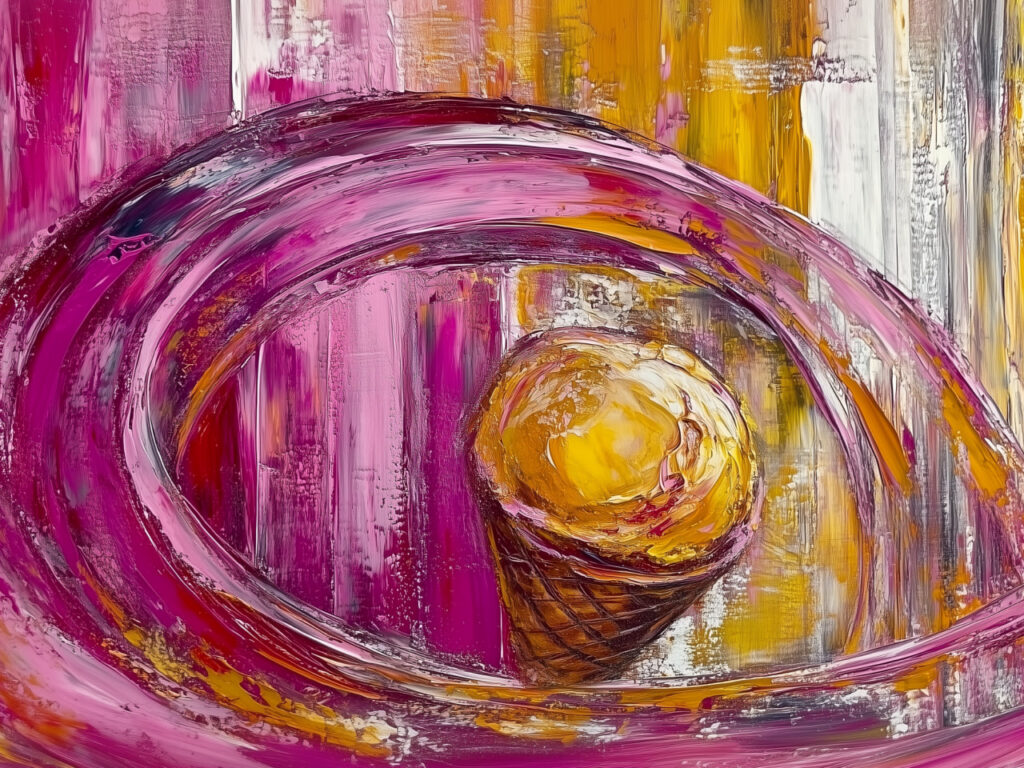
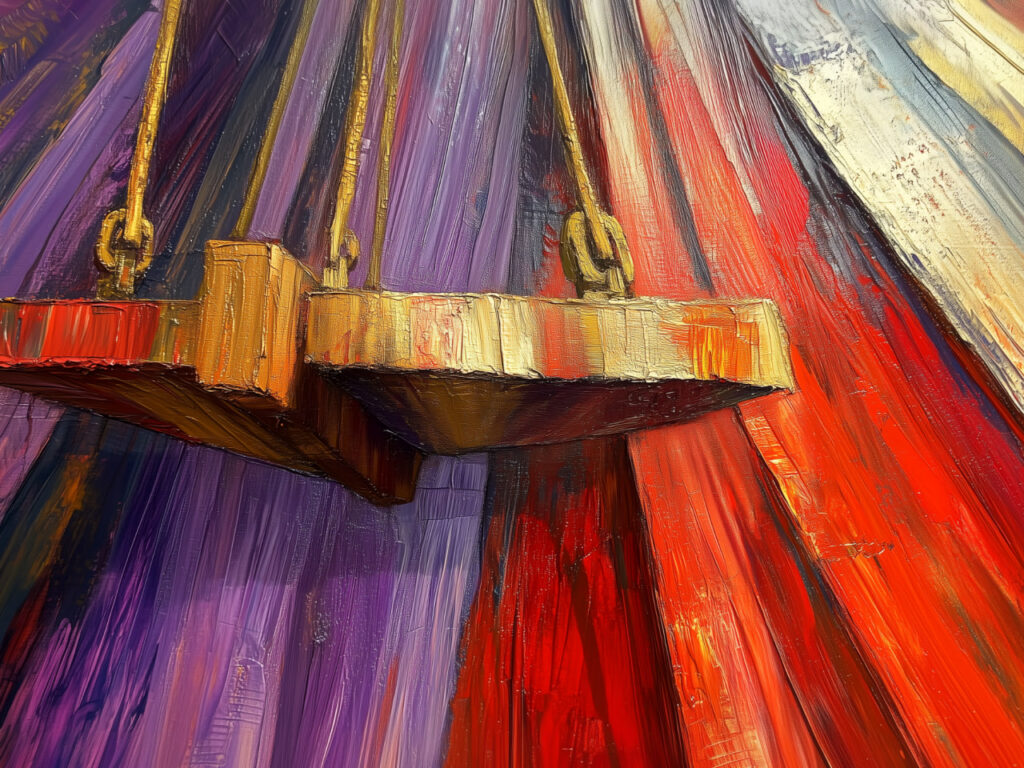
The Art Gallery at Ruthin is delighted to present “Playful Echoes”, a solo exhibition by contemporary artist Glafira Kotova. Known for her whimsical yet deeply evocative works, Kotova explores themes of nostalgia, fleeting joy, and childhood wonder, blending surrealism with pop-art influences. Her artistic practice is defined by vibrant colours, unexpected textures, and an ability to transform everyday objects into poetic visual statements.
Glafira Kotova’s work bridges the gap between innocence and introspection, inviting us to reflect on the emotions tied to simple pleasures. “Playful Echoes” runs from August 1–31, 2023 at Ruthin, offering visitors an immersive journey through the artist’s unique vision.
The exhibition features five captivating pieces, each inviting viewers into Kotova’s dreamlike world:
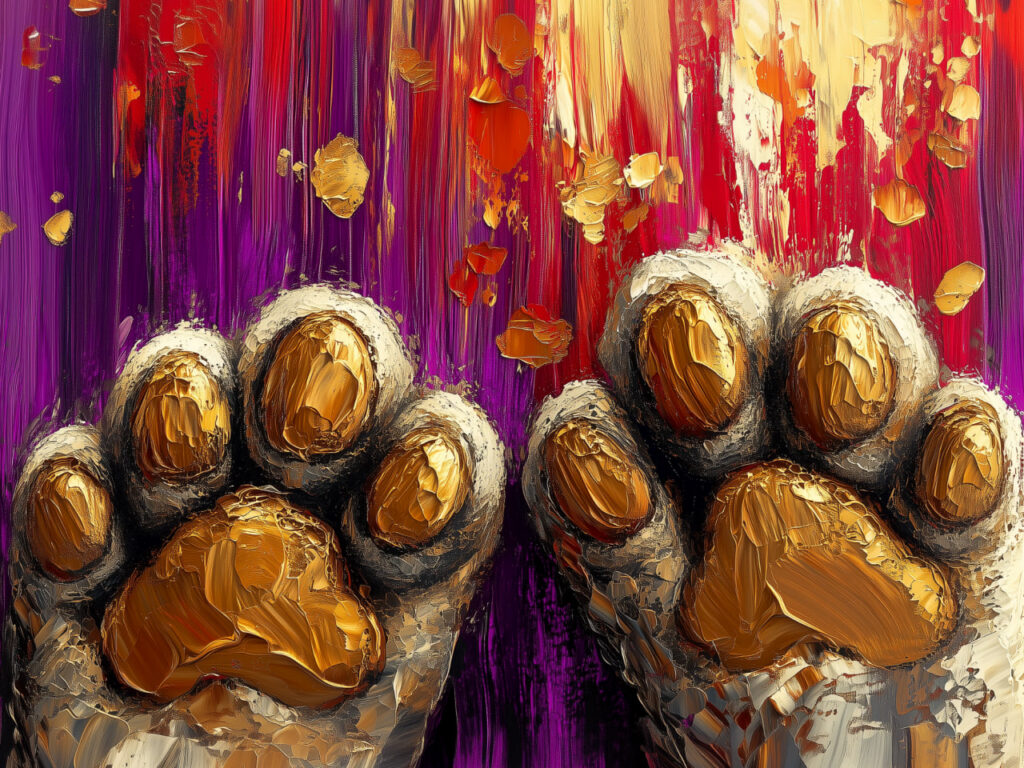
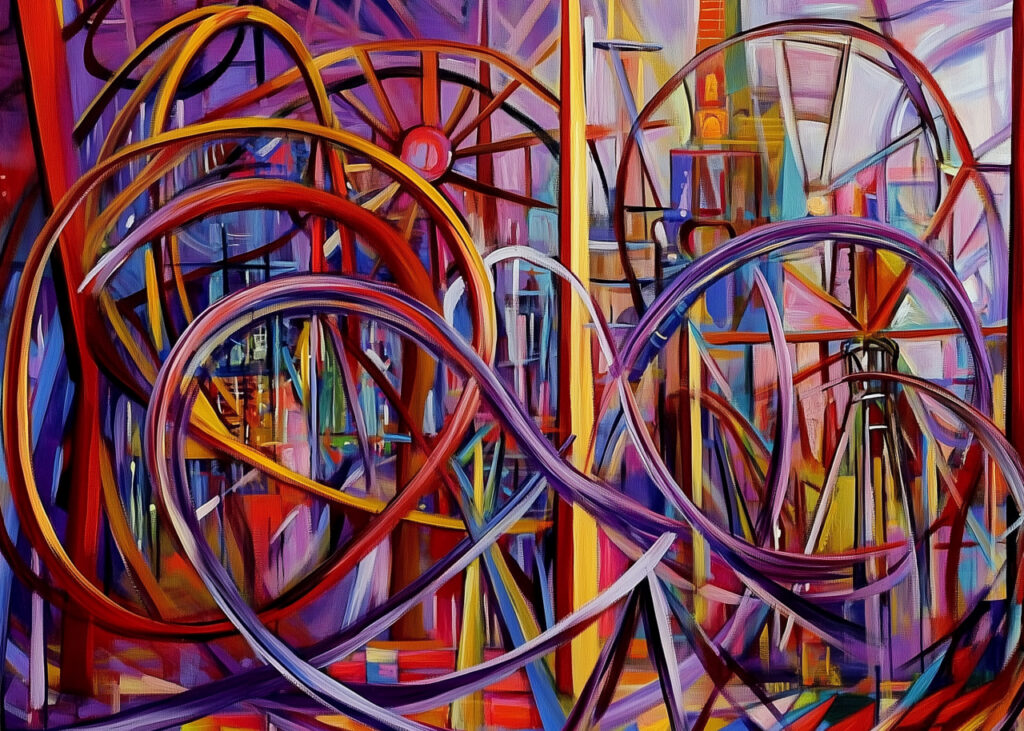
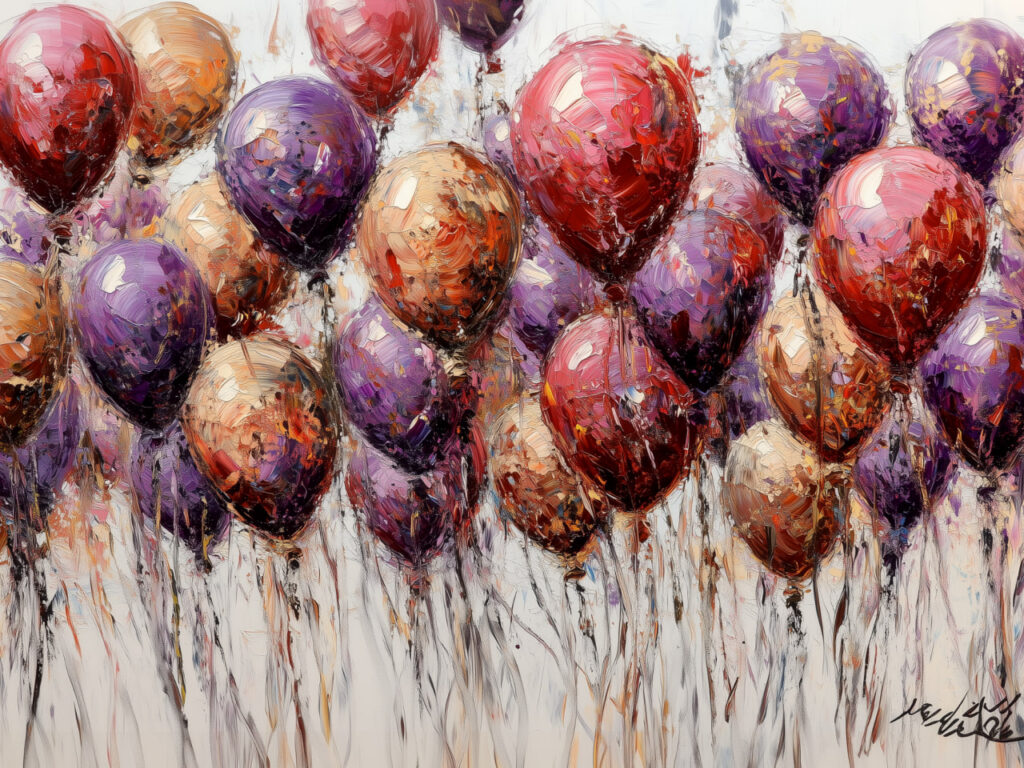
Swings – A suspended moment of weightlessness, evoking the carefree motion of childhood and the bittersweet passage of time. Cat’s Paws – A playful yet enigmatic symbol of curiosity, warmth, and the delicate footprints. Ice Cream – A melting icecream that speaks to both indulgence and impermanence. Inflatable Balloons – A vivid, floating Balloons capturing the fragile joy of celebrations and the inevitability of release. Amusement Park – A dynamic composition filled with light and movement, evoking the thrill and fleeting magic of carnival nights.
Cat’s Paws (2023)Amusement Park (2023)Inflatable Balloons (2023)Ice Cream (2023)Swings (2023)