A volleyball match lasts a couple of hours and is decided in fractions of a second — the instant a spiker’s hand meets the ball, the split moment a defender reads a feint and throws their body across the floor. To the spectator it is sport. To the photographer it is something else: a relentless supply of the “decisive moment,” the alignment of form and tension that the visual arts have chased for centuries.
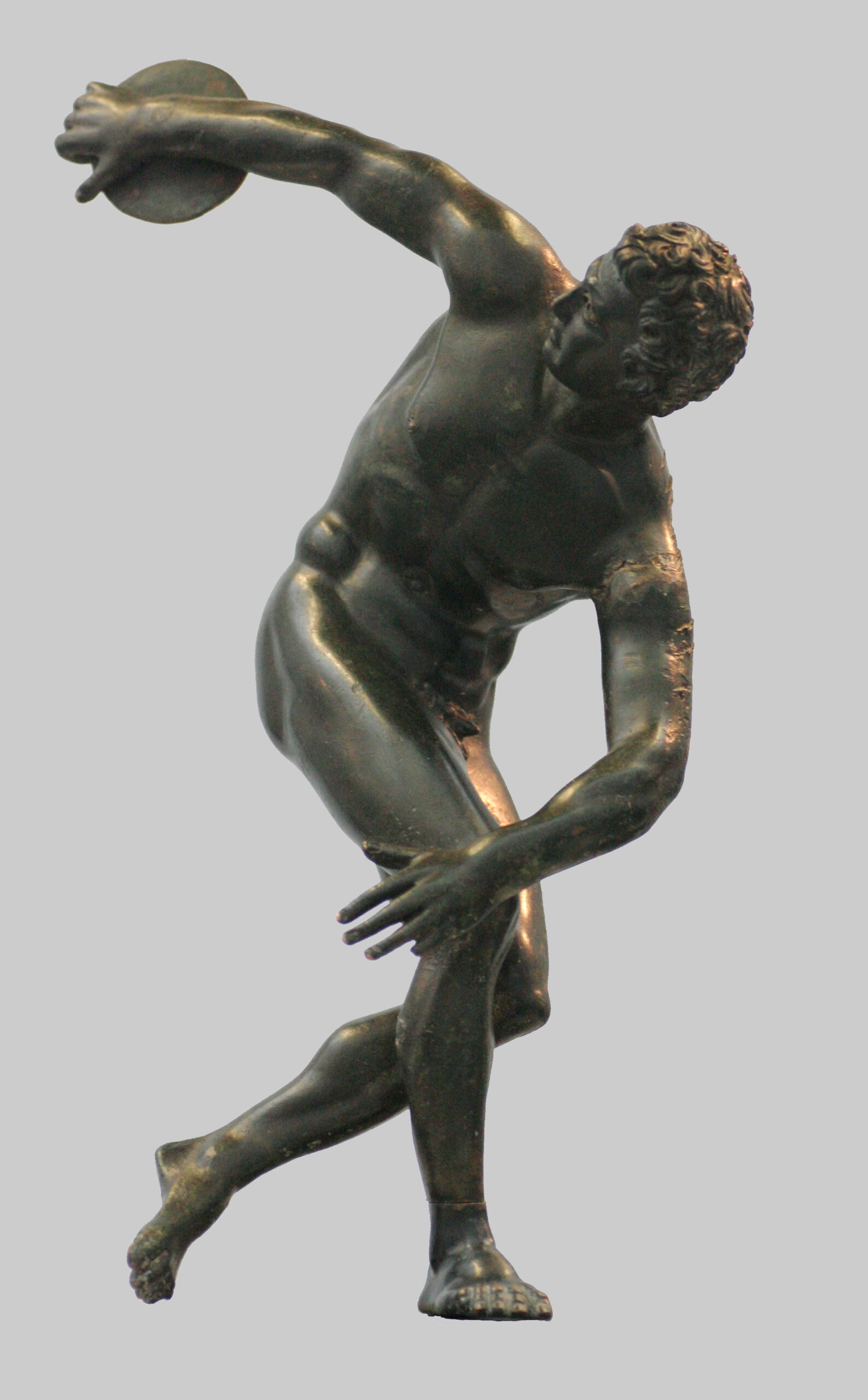
We do not usually file sport under art, but the boundary is thinner than it looks. The ancient Greeks built their entire sculptural ideal around the athletic body — the Discobolus freezes a discus thrower at the coiled top of his motion, a marble photograph taken two and a half thousand years before the camera. The Renaissance studied the same thing under the name of contrapposto: weight, balance, the body caught between intentions. What sport offers the image-maker is the human form pushed to its expressive extreme, and artists have never been able to leave that alone.
Modern sports photography is the direct heir to this lineage. The greatest practitioners — Neil Leifer, whose overhead frame of Ali standing over Liston is one of the most reproduced images of the twentieth century; the agency photographers who can pre-visualise a leap before it happens — are not merely documentarians. They compose. They anticipate. They understand that a picture of a rally is not about who won the point but about geometry, suspension and effort made visible. The ball frozen above the net, six bodies arranged in a diagonal of strain, is a study in dynamic balance that any figurative painter would recognise.
There is also the matter of emotion. Sport strips feeling of its usual disguises. Triumph, collapse, disbelief and exhaustion arrive raw and unguarded, and the camera collects them. The best sports images outlive the result they record precisely because they stop being about the scoreline. Nobody remembers the final tally of most historic matches; everyone remembers the face.
This is why galleries and museums increasingly make room for the genre, and why the line between the sports desk and the art world keeps blurring. A frame from a single international fixture, properly seen, contains the same ingredients as a history painting: bodies in space, a moment of maximum tension, a story compressed into stillness.
The next time a rally ends in a blur of limbs and a held breath, look past the result. Somewhere in that instant a photographer is doing what sculptors and painters have always done — arresting the human body at the height of its eloquence, and handing it to us to keep.