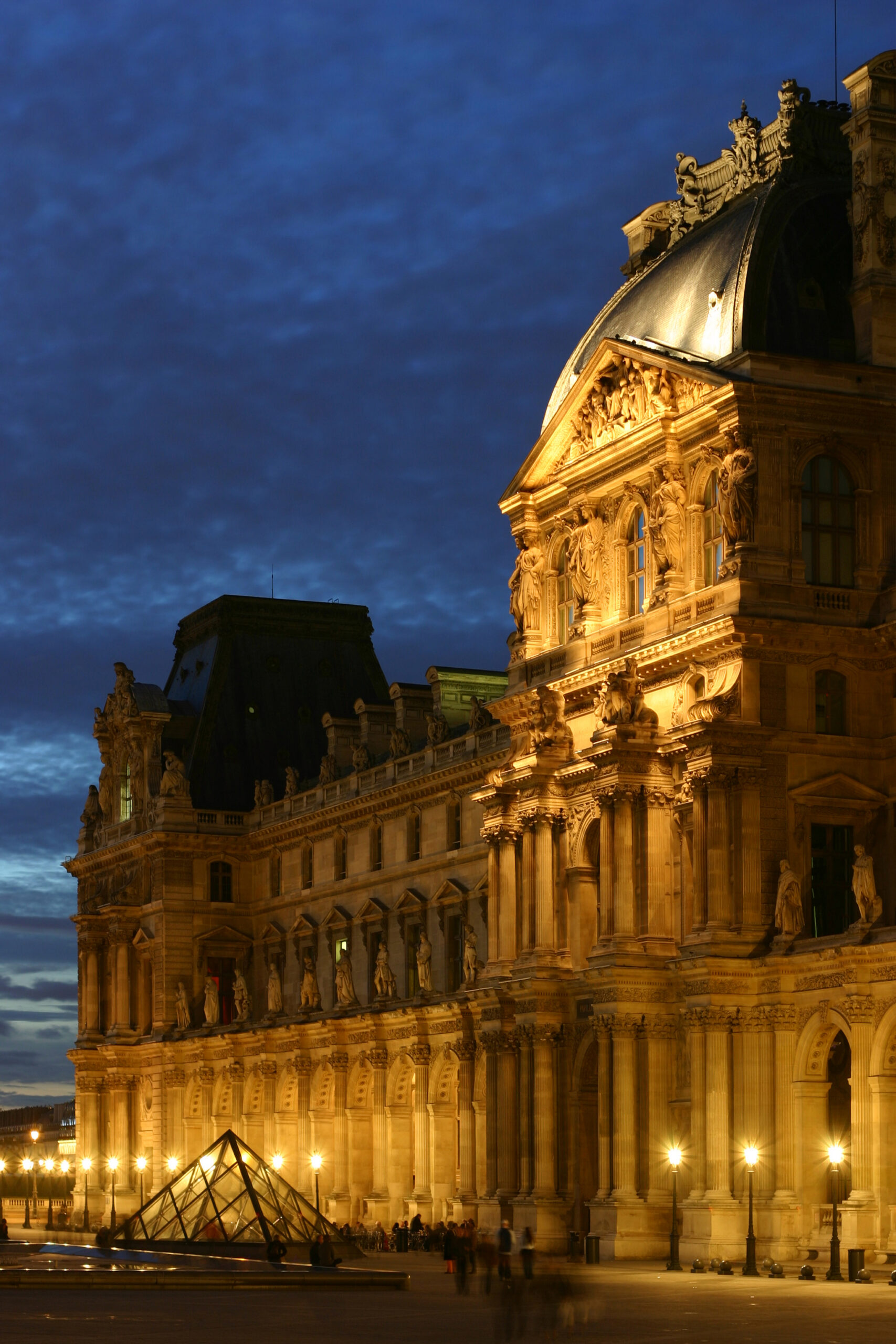
There is a kind of art that does not survive reproduction. You can know Rothko from a thousand prints and still be unprepared for the moment you stand before the real canvases in the Rothko Chapel in Houston, where the paintings seem to breathe in the changing light and the room enforces a silence that no gallery wall ever could. Some works are not images to be looked at but environments to be entered, and entering them requires getting out of the chair and going.
This is the quiet argument for the art pilgrimage. We live in an age of infinite access — every masterpiece a search away, rendered in resolution finer than the human eye can resolve. And yet the screen flattens. It removes scale, texture, the brushstroke’s small weather of light and shadow, the physical fact of standing in a space someone designed for exactly this encounter. To see Las Meninas in the Prado is to understand, suddenly, why Velázquez placed the viewer where he did. The painting was built for a body in a room, and only a body in that room receives it fully.
The journey does something else, too: it earns the looking. Effort changes attention. A work you have travelled hundreds of miles to see commands a focus that the same image, scrolled past in bed, never could. The pilgrimage is a frame around the experience — anticipation on the way there, reflection on the way back — and that frame is part of what makes the encounter stick. We remember the art we worked to reach.
Exploration need not be grand or distant. The principle scales down to the local: the small museum two towns over you have never visited, the artist’s studio open one weekend a year, the public sculpture you pass weekly and have never actually stopped to see. Adventure, in the cultural sense, is mostly a decision to break routine and let curiosity lead — to treat your own region as territory worth mapping on foot.
What you find on these journeys is rarely only the art. It is the café near the gallery, the conversation with a stranger in the queue, the particular quality of a city’s afternoon light that the painters there were responding to all along. The work makes more sense in its place, and the place makes more sense because of the work.
So when the restlessness comes — the sense that the screen has shown you everything and somehow nothing — take it as a prompt. The masterpieces are waiting where they have always been, full-sized and physical and patient. Get out. Explore. Let the journey do to your attention what no reproduction ever will.