Marina Abramovic’s career spans five decades and encompasses some of the most provocative and influential works in the history of performance art. Her endurance pieces—works that test the limits of physical and psychological capacity—have challenged conventional understandings of what art is, what it can do, and what relationship it can establish between artist and audience.
The Early Work
Abramovic’s early performances, created in the 1970s in Belgrade, were characterised by extreme physical endurance and psychological intensity. In Rhythm 0 (1974), she stood motionless for six hours while audience members were invited to use any of seventy-two objects—including a knife, a scalpel, and a loaded gun—on her body. The performance revealed the capacity for violence that exists within ordinary social interactions and demonstrated art’s power to expose uncomfortable truths about human behaviour.
In Rhythm 5 (1974), she lay within a burning five-pointed star, losing consciousness from lack of oxygen. The work addressed the relationship between the individual and national identity in communist Yugoslavia, using the body as a site of political and personal expression.
The Collaboration
From 1976 to 2010, Abramovic collaborated with the German artist Ulay. Their work explored the relationship between male and female, self and other, using their bodies as materials for investigation. The most famous of their collaborative works, The Lovers (1988), involved walking the Great Wall of China from opposite ends, meeting in the middle, and ending their relationship.
The collaboration was both artistic and personal—Abramovic and Ulay were partners for twelve years, and their work reflected the dynamics of their relationship. The end of their collaboration marked a new phase in Abramovic’s career, one characterised by solo work that engaged with themes of endurance, presence, and the relationship between artist and audience.
The MoMA Retrospective
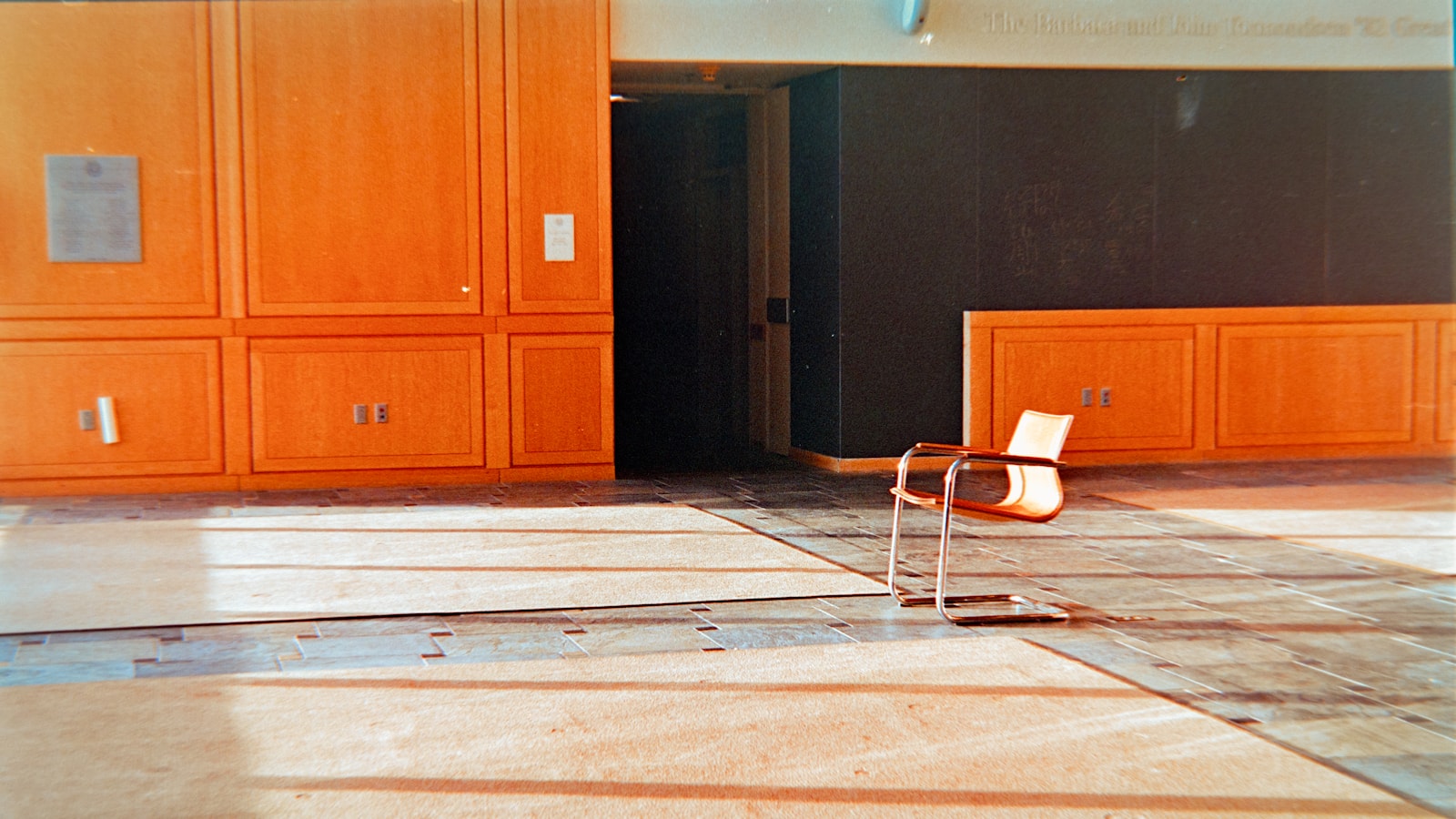
Abramovic’s 2010 retrospective at the Museum of Modern Art, The Artist Is Present, became one of the most significant art events of the twenty-first century. The centrepiece of the exhibition was a simple performance: Abramovic sat in a chair in the museum’s atrium, facing individual visitors who sat across from her in silence.
The performance attracted over 850,000 visitors and generated extensive media coverage. It demonstrated that in an era of spectacle and distraction, the simple act of presence—one person looking at another—could be profoundly moving.
The retrospective also sparked debates about performance art’s relationship to institutions, audiences, and the art market. Abramovic’s endurance—she sat for the entire duration of the museum’s opening hours for three months—was itself a performance about the demands that art places on artists and audiences.
The Method
Abramovic has developed a method of working—sometimes called the Abramovic Method—that emphasises presence, endurance, and attention. Her workshops and retreats, which she conducts with her partner, the actor Jay Baruchel, train participants in techniques of sustained attention, physical endurance, and emotional openness.
The method reflects Abramovic’s conviction that art is not merely a product but a process—a way of engaging with the world that demands discipline, courage, and openness. Her influence extends beyond the art world, affecting how people think about attention, presence, and the relationship between body and mind.
The Legacy
Abramovic’s legacy is visible in the proliferation of performance art, the growing acceptance of ephemeral and experiential work, and the increasing emphasis on presence and attention in contemporary culture. Her work has demonstrated that art can be powerful without being permanent, that it can challenge without being aggressive, and that it can engage audiences in ways that transcend conventional modes of spectatorship.
For readers interested in the broader landscape of performance art, our analysis of [the body in contemporary art](https://creativitys.uk/body-contemporary-art/) provides additional context. Those exploring Abramovic’s specific contributions may also appreciate our feature on [endurance and artistic practice](https://creativitys.uk/endurance-artistic-practice/).