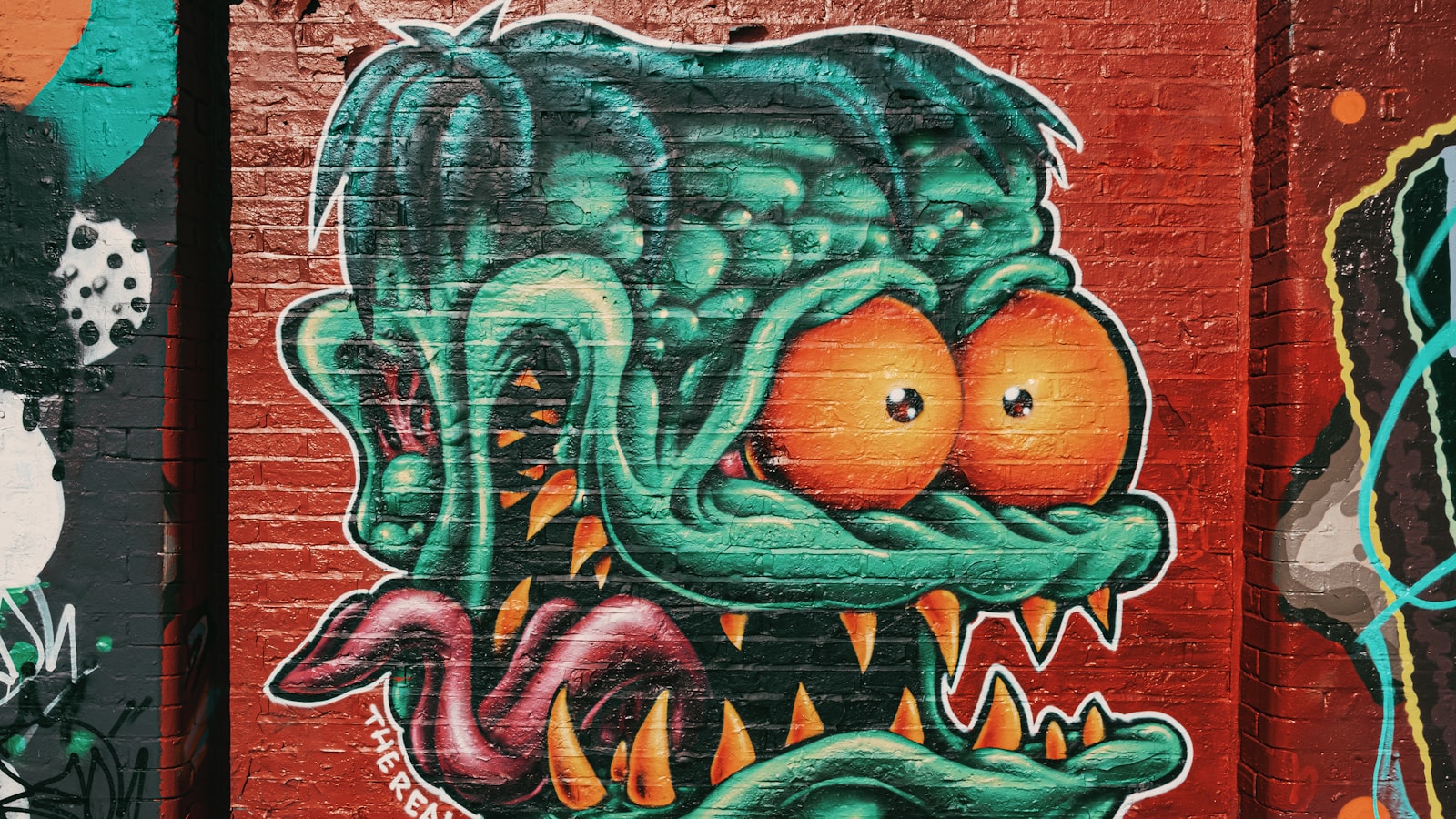
Wolverhampton is not a city typically associated with cutting-edge art. Known historically for its manufacturing industries and its position in the Black Country, the West Midlands city has lacked the cultural cachet of Birmingham, Manchester, or London. Yet over the past two decades, Wolverhampton has developed a thriving graffiti art scene that has attracted attention from galleries, collectors, and cultural institutions across the UK.
The Early Years
Wolverhampton’s graffiti scene emerged in the late 1980s, influenced by the hip-hop culture that had arrived in the UK from the United States. Young people in the city’s estates and tower blocks began writing their names on walls, trains, and bridges, developing distinctive styles that reflected local identity and personal expression.
The early writers operated in a legal grey area. Graffiti was—and remains—illegal in most contexts in the UK, and the city’s authorities treated it primarily as vandalism. Yet the scene persisted, sustained by a community of practitioners who saw their work as art rather than crime.
The Transition
The transition from subculture to gallery began in the early 2000s, when several Wolverhampton-based artists began exhibiting their work in alternative spaces—pubs, community centres, and temporary galleries. The work attracted attention for its technical skill, its cultural commentary, and its connection to local identity.
A key moment came with the establishment of dedicated gallery spaces and cultural organisations that programme graffiti and street art alongside more traditional forms. These spaces provided a platform for Wolverhampton’s artists to reach wider audiences and to engage with the broader art world.
The Artists
Wolverhampton’s graffiti scene has produced several artists who have achieved recognition beyond the city. Their work ranges from large-scale public murals to intimate studio pieces, and it engages with themes of identity, place, class, and belonging.
The scene’s strength lies in its diversity. Artists come from different backgrounds, work in different styles, and address different concerns, but they share a commitment to the transformative potential of visual art in public space.
The Challenges
Wolverhampton’s graffiti scene faces significant challenges. The tension between legality and illegality persists, and the city’s authorities continue to treat unauthorised graffiti as vandalism. Funding for arts organisations is limited, and the commercial art market remains sceptical of work produced outside traditional artistic networks.
Yet the scene endures. Its resilience reflects the determination of its practitioners and the value that local communities place on their work. Public murals, in particular, have become focal points for community identity, transforming drab urban spaces into sites of visual interest and cultural expression.
The Future
Wolverhampton’s graffiti art scene stands at a crossroads. The infrastructure of galleries, organisations, and audiences that has developed over the past two decades provides a foundation for continued growth. Yet the challenges of funding, legality, and cultural recognition remain significant.
The scene’s future will depend on the continued commitment of its practitioners and the willingness of the city’s authorities and cultural institutions to support work that challenges conventional boundaries between art, culture, and public space.
For readers interested in the broader landscape of urban art, our analysis of [street art’s journey from vandalism to valuation](https://creativitys.uk/street-art-journey-vandalism-valuation/) provides additional context. Those exploring the Black Country’s cultural identity may also appreciate our feature on [industrial heritage and creative renewal](https://creativitys.uk/industrial-heritage-creative-renewal/).