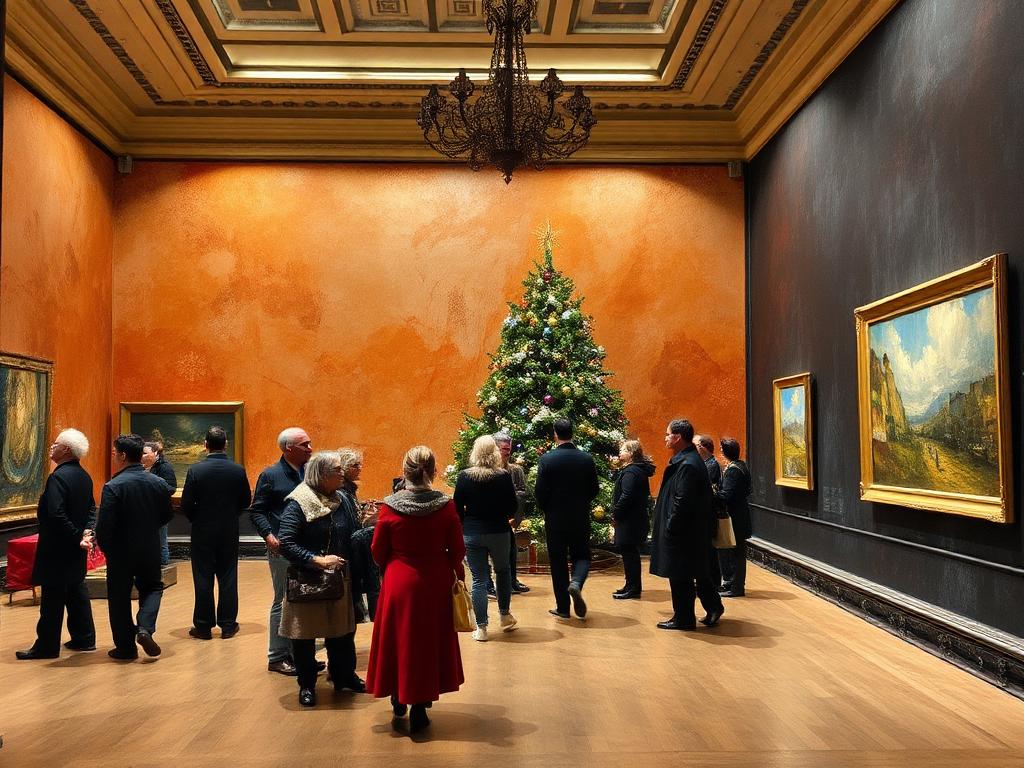
The story of the forged Picasso in Tasmania initially presented itself as a familiar art world scandal. The narrative arc is one we have grown accustomed to: a supposedly lost masterpiece by a modern master, a prestigious institutional setting, a sudden revelation of inconsistencies, and the subsequent unmasking of a fake. Yet, the saga that unfolded at the Museum of Old and New Art (Mona) in Hobart is entirely devoid of the clandestine profit motives that usually drive art forgery. Instead, it is a staggering, multi-act work of institutional critique, performance art, and legal theatre orchestrated by curator Kirsha Kaechele.
It is a story that involves a velvet-draped, women-only lounge, a landmark discrimination lawsuit, a relocated installation inside a public restroom, and a fake painting that hung upside down for three years without anyone noticing. What began as an exclusive VIP room has metastasised into one of the most conceptually rigorous artworks of the decade, revealing the fragile scaffolding of authority, provenance, and gender politics upon which the contemporary art world rests.
The Ladies Lounge and the Architecture of Rejection
Mona, founded by the eccentric mathematician and professional gambler David Walsh, has always positioned itself in opposition to the didactic, sterile white cubes of traditional museums. It is a subterranean labyrinth carved into a Tasmanian peninsula, where antiquities sit alongside radical contemporary installations. In 2020, Kaechele—an American artist, curator, and Walsh’s wife—unveiled the Ladies Lounge.
Behind a heavy curtain, the Lounge was presented as an ultra-luxurious, emerald-green sanctum. Inside, women were served high tea and champagne by obsequious male butlers, surrounded by what were claimed to be priceless antiquities and genuine paintings by Pablo Picasso. Men, however, were strictly forbidden from entering.
The exclusion was not incidental; it was the conceptual core of the work. For centuries, the spaces of true power—gentlemen’s clubs, corporate boardrooms, the upper echelons of the art market—have been male-only domains, either by explicit rule or implicit bias. Kaechele’s lounge inverted this historical reality, creating a space where women could experience the decadent privilege of exclusivity.
Unsurprisingly, the provocation worked. Men routinely expressed frustration at being barred from a major installation within a public museum. Speaking to the media amidst the ensuing controversy, Kaechele perfectly articulated the underlying mechanism of the piece: “The men are experiencing Ladies Lounge, their experience of rejection is the artwork… men are certainly experiencing the artwork as it’s intended.” The aesthetic object was not the room itself, but the palpable, often furious reaction of the men denied access to it.
The Tribunal, the Law, and the Toilet Loophole
The performative rejection eventually breached the walls of the museum and entered the courtroom. In 2023, Jason Lau, a visitor from New South Wales who had paid the standard $35 entry fee, took Mona to the Tasmanian Civil and Administrative Tribunal (TASCAT). Lau argued that by denying him entry to the Ladies Lounge based on his gender, the museum was in breach of the state’s Anti-Discrimination Act of 1998.
The legal proceedings became an extension of Kaechele’s performance. Mona’s legal team argued that the lounge was a necessary corrective measure, designed to highlight the historical disadvantage women have faced. The tribunal, however, was a venue for administrative law, not art criticism. In April 2024, TASCAT ruled in Lau’s favour, ordering Mona to cease discriminating against men and effectively demanding that the Lounge be opened to all genders. The juxtaposition of a mundane administrative tribunal judging a piece of conceptual performance art highlighted the rigid friction between legal literalism and artistic expression.
Rather than dismantle the artwork or admit defeat, Kaechele escalated the performance. If the law dictated that a gallery space could not legally exclude men, she would simply reclassify the space. In a stroke of absurdist genius, Kaechele relocated the “Picassos” and the core elements of the Ladies Lounge into a women’s toilet cubicle within the museum. Under Tasmanian law, restrooms are legally permitted to be segregated by sex.
By moving the installation into a toilet, Kaechele not only bypassed the tribunal’s ruling but added a devastating new layer to the critique. Historically, women’s spaces in the public sphere have often been relegated to the margins—powder rooms, domestic spheres, and literal bathrooms. By forcing her opulent, exclusive club into a toilet cubicle to maintain its integrity, Kaechele literalised the extreme lengths required to protect female-exclusive spaces under patriarchal legal frameworks.
A Monochrome Forgery: Exposing the Museum Effect
The relocation of the artwork drew international attention, prompting renewed scrutiny of the objects within the Lounge itself. Media outlets and the Succession Picasso—the notoriously protective estate that manages the artist’s rights and authentications—began asking questions about the provenance of the paintings. Kaechele had originally maintained a convenient, glamorous myth: the paintings were inherited from her great-grandmother, a socialite who supposedly had a romantic liaison with Picasso in Europe.
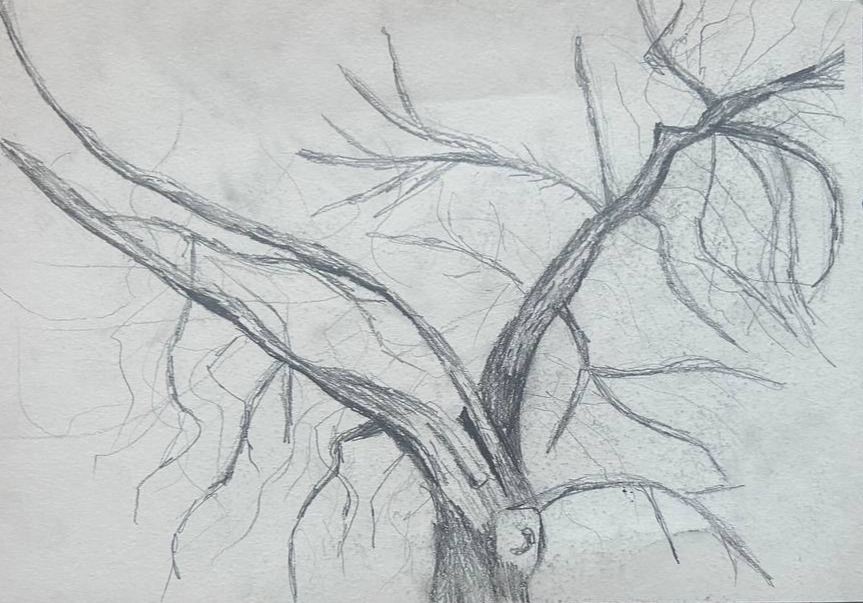
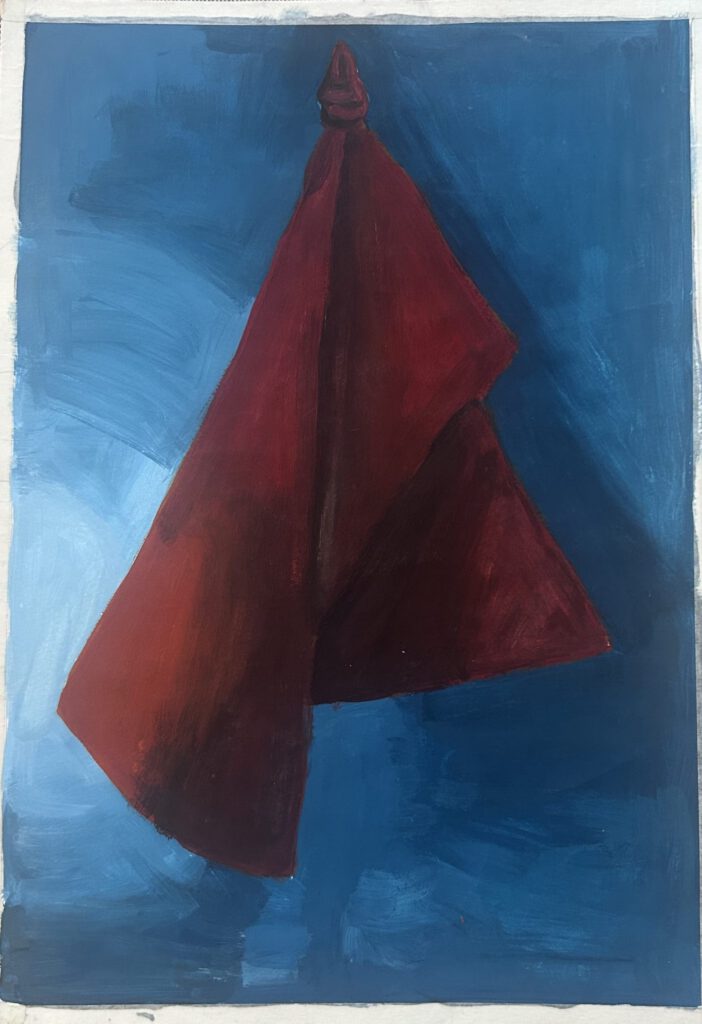
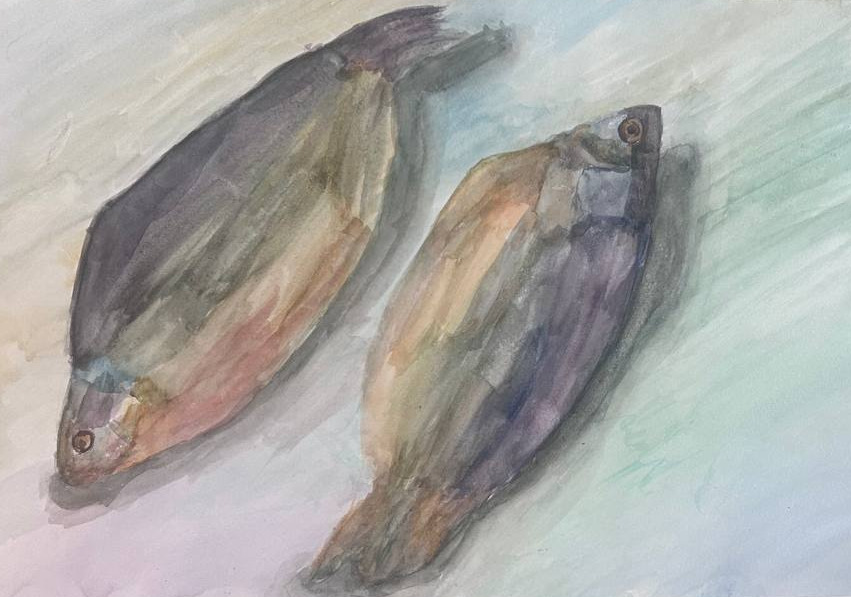
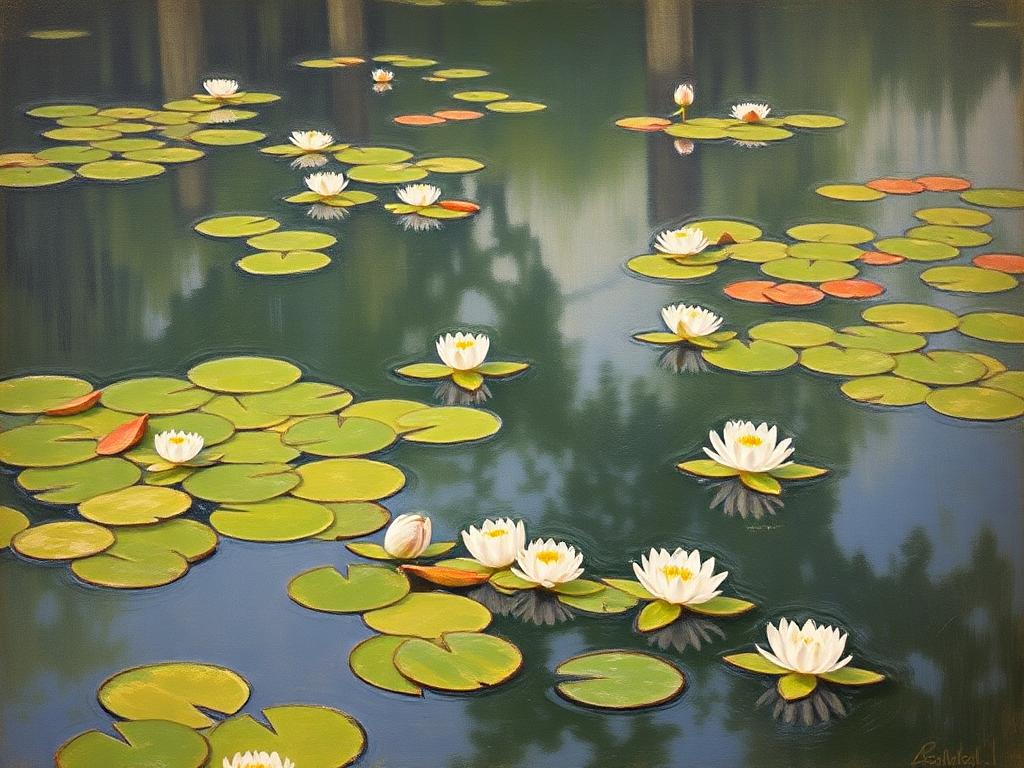
In a blog post published by Mona in July 2024 titled ART IS NOT TRUTH: PABLO PICASSO, Kaechele dropped the final curtain. The Picassos were fakes. She had painted them herself in 2021.
Her justification for the forgery was hilariously mundane, entirely undercutting the reverence usually afforded to modernist masters. “I knew of a number of Picasso paintings I could borrow from friends,” Kaechele admitted, “but none of them were green and I wished for the Lounge to be monochrome.”
This admission is perhaps the most damning indictment of the “museum effect” in recent history. The museum effect dictates that any object placed within the authoritative context of an institution is automatically elevated to the status of art. Because the paintings were hung in a prestigious, well-funded museum, surrounded by velvet and champagne, the public implicitly trusted their authenticity. So complete was the illusion that one of Kaechele’s forged Picassos had been hung upside down for over three years, a fact that went entirely unnoticed by the thousands of visitors, critics, and art professionals who passed through the space.
The forgery forces a confrontation with our own gullibility. We do not look at the paint; we look at the plaque. We trust the institutional framing more than our own eyes. In creating a fake Picasso, Kaechele exposed the fragile, consensus-based reality of art authentication.
Succession Picasso and the Legal Limits of Conceptual Art
The revelation of the forgery invited the very real threat of legal action from the Picasso estate. The Succession Picasso is known for its aggressive litigation against unauthorised reproductions and forgeries. However, the estate ultimately confirmed they would take no further legal action, stating they considered the matter closed.
This restraint is telling. Had Kaechele attempted to sell the paintings on the open market, she would have undoubtedly faced criminal fraud charges. But because the forgery was deployed as a conceptual tool within a contained institutional environment, it occupied a grey area. It was not a commercial deception, but a satirical prop in a broader narrative about value and truth.
Picasso’s legacy is heavily intertwined with his notorious treatment of his muses, many of whom were central to his work. For Kaechele to use his name as bait for a women-only installation is a deliberate act of historical reclamation. The men excluded from the Lounge were furious they could not see the work of a blue-chip male master; the irony is that Picasso himself built his mythology on the consumption of women, as often seen when a Picasso’s portrait of his mistress breaks yet another auction record.
Picasso himself famously declared that art is a lie that makes us realize truth. Kaechele weaponised this exact sentiment, using the aura of a patriarchal figure to anchor a feminist critique. That she successfully hijacked his brand to decorate a women-only bathroom is a subversion of monumental proportions.
Institutional Critique in the Age of Spectacle
The traditional art forgery scandal is usually a story of greed. A talented but unrecognised artist creates a fake, a corrupt dealer authenticates it, and a wealthy collector is duped. The Mona incident flips every element of this script. The museum itself is the forger; the deception is not hidden but eventually broadcast; the motive is not financial gain, but interior decoration and conceptual provocation.
By fabricating a masterpiece, surviving a legal tribunal, and banishing Pablo Picasso to a women’s restroom, Kirsha Kaechele has achieved something rare. She has not merely commented on the structures of power, gender, and authenticity in the art world; she has manipulated them in real-time. The fake Picasso of Tasmania will be remembered not as a scandalous failure of authentication, but as one of the most successful, incisive, and enduring performance pieces of our time.