By Sarah Johnson
Welsh visual culture consistently rejects the landscape as mere scenic beauty, instead embedding it with the visceral presence of industry, the resonance of language, the spiritual weight of the chapel, and ancient myth. This deep integration reveals land not as passive scenery, but as an active repository of national identity, memory, and struggle.
The common perception of landscape often defaults to the picturesque, a backdrop of rolling hills, quaint villages, or dramatic coastlines serving as an agreeable setting for a holiday postcard. For many, Wales presents itself as an idyllic stretch of green, punctuated by ancient castles or sheep-dotted slopes, a charming escape from urban clamour. This tourist-board aesthetic, while appealing, inadvertently flattens the complex, lived reality of the land, stripping it of its deeper cultural strata. It reduces the Welsh landscape to a passive canvas, overlooking the profound ways it has been shaped by human endeavour, language, and belief. This superficial gaze misses the scars of industry, the quiet dignity of a nonconformist chapel, or the ancient whispers of myth that permeate every valley and mountain peak.
The Land as Story – Industry, Language, Chapel, Myth
In stark contrast to this decorative view, Welsh visual culture has consistently portrayed the land not merely as scenery, but as an active participant in the national narrative. Artists in Wales have long understood that the landscape is a living archive, bearing the marks of human industry, echoing with the cadences of the Welsh language, imbued with the spiritual weight of the chapel, and alive with ancient myth.
Consider the industrial landscapes of the South Wales Valleys. Artists like Josef Herman, though Polish-born, found his most profound subject matter in the mining communities of Ystradgynlais. His powerful, often melancholic, depictions of miners and their families against the backdrop of slag heaps and pitheads are not simply genre scenes; they are portraits of a people inextricably linked to the earth that yielded their livelihood and, at times, claimed their lives. The land here is not pristine; it is scarred, reshaped by generations of labour, its contours telling a story of coal dust, camaraderie, and hardship. Similarly, the slate quarries of North Wales, monumental and stark, are not just geological formations but vast, man-made amphitheatres of industry. The very rock faces speak of sweat and danger, of communities built around extraction.
The Welsh language, Cymraeg, is another inseparable layer. Its ancient roots are embedded in the very place names, each one a miniature poem or historical marker. While language cannot be visually depicted directly, its presence is felt in the rootedness of the art, in the sense of a culture deeply connected to its origins. The concept of “hiraeth”- a complex longing for a lost home, past, or even a sense of belonging – is often tied to the land and the language that describes it. Artists, in their portrayal of isolated farmhouses or remote valleys, often evoke this profound sense of connection and longing, a quiet acknowledgement of a continuous, living tradition.
The chapel, particularly the nonconformist chapel, stands as a quiet yet powerful symbol throughout the Welsh landscape. These often austere buildings, dotted across valleys and hillsides, are more than just architectural features; they represent community, resilience, and a distinct spiritual and political history. Kyffin Williams, perhaps Wales’ most iconic twentieth-century painter, frequently included these chapels and isolated farmsteads in his rugged, impasto landscapes of Anglesey and Snowdonia. His work captures the raw, elemental power of the Welsh environment, but always with a sense of enduring human presence, a spiritual resilience mirrored in the stark forms of these buildings against a turbulent sky. They are anchors in a wild land, symbols of a faith that shaped much of Welsh identity.
And then there is myth. The Mabinogion, Arthurian legends, and a wealth of local folklore permeate the Welsh landscape, giving specific places a mythical resonance. Ancient burial mounds, standing stones, and natural features are not just geographical points; they are imbued with stories of heroes, gods, and magical happenings. Artists may not illustrate these myths literally, but their work often carries a sense of the land’s deep history, its ancientness, and the stories it silently holds. The landscape feels animate, alive with the echoes of past narratives, waiting to be rediscovered by the attentive eye.
The Dual Imagination – Coast and Valley
The Welsh imagination is often shaped by two distinct yet inextricably linked geographical realities: the rugged industrial valleys and the wild, elemental coast. These two landscapes represent contrasting forces, yet together they form a comprehensive picture of Welsh identity.
The Valleys, particularly the South Wales coalfields, represent the heartland of industrial endeavour. Here, the landscape is defined by human impact-terraced houses clinging to steep hillsides, colliery wheels, and the distinctive colour of industrial waste. The art emerging from these areas often reflects a social realism, focusing on the lives of working people, their struggles, and their strong community bonds. It is a landscape of collective experience, of shared labour and hardship, often depicted with a gritty honesty that acknowledges both the beauty and the brutality of industrial life. The human figure is often central, dwarfed yet resilient against the scale of industry.
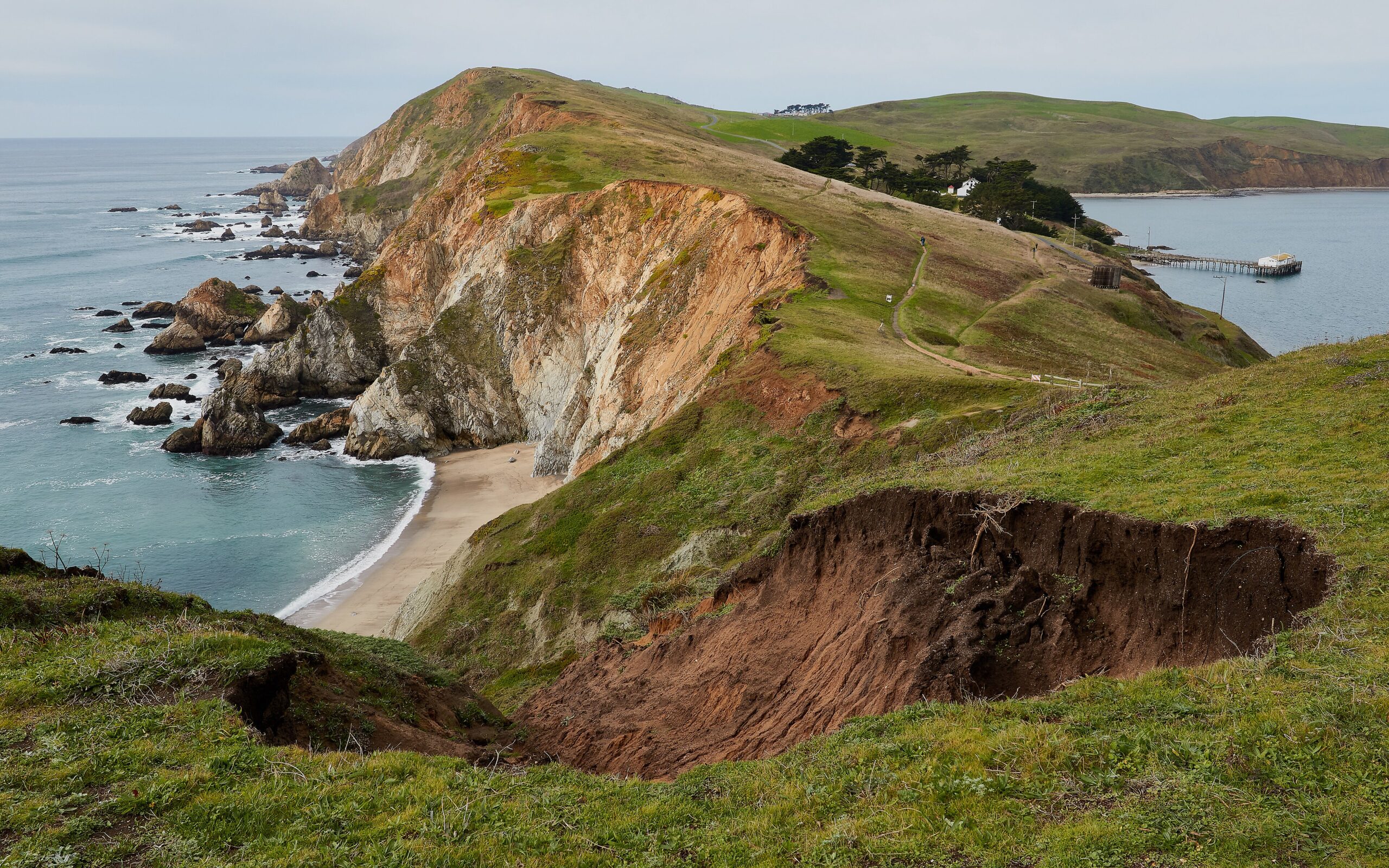
The coast, by contrast, offers a different kind of drama. From the windswept headlands of Pembrokeshire to the dramatic cliffs of the Lleyn Peninsula and the island of Anglesey, the Welsh coastline is defined by the power of the sea, the ever-changing light, and a sense of vast, untamed nature. This is a landscape of solitude, of isolated lighthouses and fishing villages, where the elements dictate existence. Kyffin Williams, again, is a master of these seascapes, capturing the churning grey skies and crashing waves with a visceral energy. His paintings convey the raw, untamed spirit of the coast, a place where humanity is small against the grandeur of nature, yet deeply connected to it. David Jones, in his intricate, multi-layered works, often incorporated coastal motifs, fusing personal experience with broader historical and mythological narratives, sometimes featuring the sea as a powerful, symbolic presence.
These two imaginations-the valley and the coast-may seem opposing, one domesticated by industry, the other wild and open to the sea. Yet, they are intrinsically linked by a shared cultural consciousness. Both represent fundamental aspects of Welsh life, shaped by specific geographical forces, but united by the experience of living in a marginal, often dramatic, landscape. They are two sides of the same coin of Welsh identity, reflecting the varied yet cohesive spirit of the nation.
The Making Hand – Craft and Connection to Place
The connection between land and identity extends profoundly into Wales’s craft traditions, where the making hand becomes a direct conduit to the landscape’s resources and spirit. Places like Ruthin Craft Centre exemplify how contemporary craft continues to honour this deep-rooted relationship, blending traditional skills with modern aesthetics. Here, the raw materials of Wales are transformed into objects that speak of both utility and beauty, embodying a tangible link to place.
Craft in Wales is not simply decorative; it is often born from necessity, reflecting local materials and skills honed over generations. The tactile quality of these crafts, the visible mark of the maker’s hand, grounds them firmly in their origin.
Consider these examples:
- Welsh Blankets and Tapestries: Woven from the wool of Welsh sheep, these textiles are iconic. Their intricate patterns and vibrant colours often abstractly echo the natural environment-the greens of the hills, the blues of the sky and sea, the browns of peat and earth. The mills that produce them, like those in Drefach Felindre, are often powered by local rivers, further cementing their connection to the landscape.
- Slate Carving: Utilising the abundant slate from North Wales quarries, this craft ranges from practical roof tiles to intricate decorative and sculptural pieces. The material itself is a defining geological feature, and its transformation by skilled hands is a direct engagement with the land’s deep history. Contemporary artists continue to explore its textural and structural possibilities.
- Pottery: Using local clays, Welsh potters create functional and artistic pieces. The forms often echo natural shapes, and glazes can reflect the muted or vibrant tones of the Welsh environment, from earthy browns to sea-greens. This craft connects directly to the elemental earth.
- Wood Carving: From love spoons to intricate furniture, Welsh wood carving draws on local timber. The grain and character of the wood guide the carver’s hand, creating objects that feel intrinsically linked to the forests and trees of Wales.
These crafts are not just products; they are expressions of a culture that understands the value of working with, rather than against, the land. They represent an intimate knowledge of local resources and a respect for the materials provided by the environment. The craftsperson’s hand mediates between the raw earth and human culture, creating objects that carry the story of their origin.
Urgency in a Changing World
This particular reading of the Welsh landscape-as a repository of industry, language, chapel, myth, and the making hand-feels newly urgent in our contemporary moment. In an era of rapid environmental change, global homogenisation, and shifting identities, understanding the land as a living, cultural entity becomes more critical than ever.
Firstly, environmental concerns lend a sharper focus to this perspective. As climate change impacts coastal erosion, agricultural practices, and biodiversity, the fragility of landscapes previously seen as immutable becomes starkly apparent. A deeper understanding of land not as a commodity or a passive resource, but as a protagonist in the ongoing story of Wales, encourages better stewardship and a more sustainable relationship with the environment. This perspective moves beyond generic environmentalism to a specific, culturally informed responsibility.
Secondly, in a globalised world where local distinctiveness can be eroded, anchoring identity in a specific, deeply understood landscape offers a vital source of cultural resilience. This detailed, nuanced view of the Welsh land helps to articulate and preserve a unique national identity, resisting the flattening effects of mass culture. It provides a touchstone for cultural survival and distinctiveness, offering a rich narrative that differentiates Wales on the world stage.
Furthermore, post-industrial regeneration efforts across Wales benefit immensely from this perspective. Instead of simply demolishing the remnants of former industries, there is a growing recognition of their historical and cultural significance. Re-imagining these landscapes often involves drawing on their unique heritage, transforming scars into sites of memory, education, and renewed purpose. This approach transforms old industrial sites from liabilities into assets, enriching the contemporary landscape with layers of history.
Finally, a renewed appreciation for the landscape helps reinforce the value of the Welsh language and its traditions. By seeing how deeply language, myth, and community are interwoven with the physical environment, we gain a stronger sense of the inherent connection between culture and place. This deep reading of the land encourages a more meaningful form of tourism, moving beyond superficial sightseeing to a genuine engagement with Wales’s complex history, vibrant culture, and enduring spirit. It compels us to see the land not merely as a pretty backdrop, but as a breathing, living entity that holds the breath of a nation.