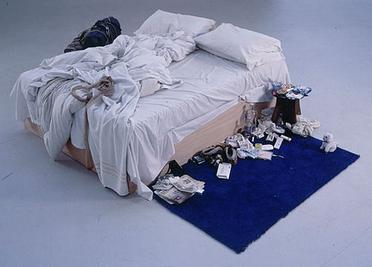
Tracey Emin is taking up space at the Tate Modern until August. “A Second Life”. You walk in fully prepared to roll your eyes at the neon words and the messy beds.
You don’t.
She lived through cancer. She survived it. That brutal, ugly medical fact hangs over the entire show. It changes the gravity of the room. It makes the older pieces look completely different. Less like teenage screaming and more like someone fighting a very long war against her own body.
It physically hurts to look at some of it. The vulnerability is just entirely aggressive. You want to look away. Which basically means it works. She is still here. She won.
A volleyball match lasts a couple of hours and is decided in fractions of a second — the instant a spiker’s hand meets the ball, the split moment a defender reads a feint and throws their body across the floor. To the spectator it is sport. To the photographer it is something else: a relentless supply of the “decisive moment,” the alignment of form and tension that the visual arts have chased for centuries.
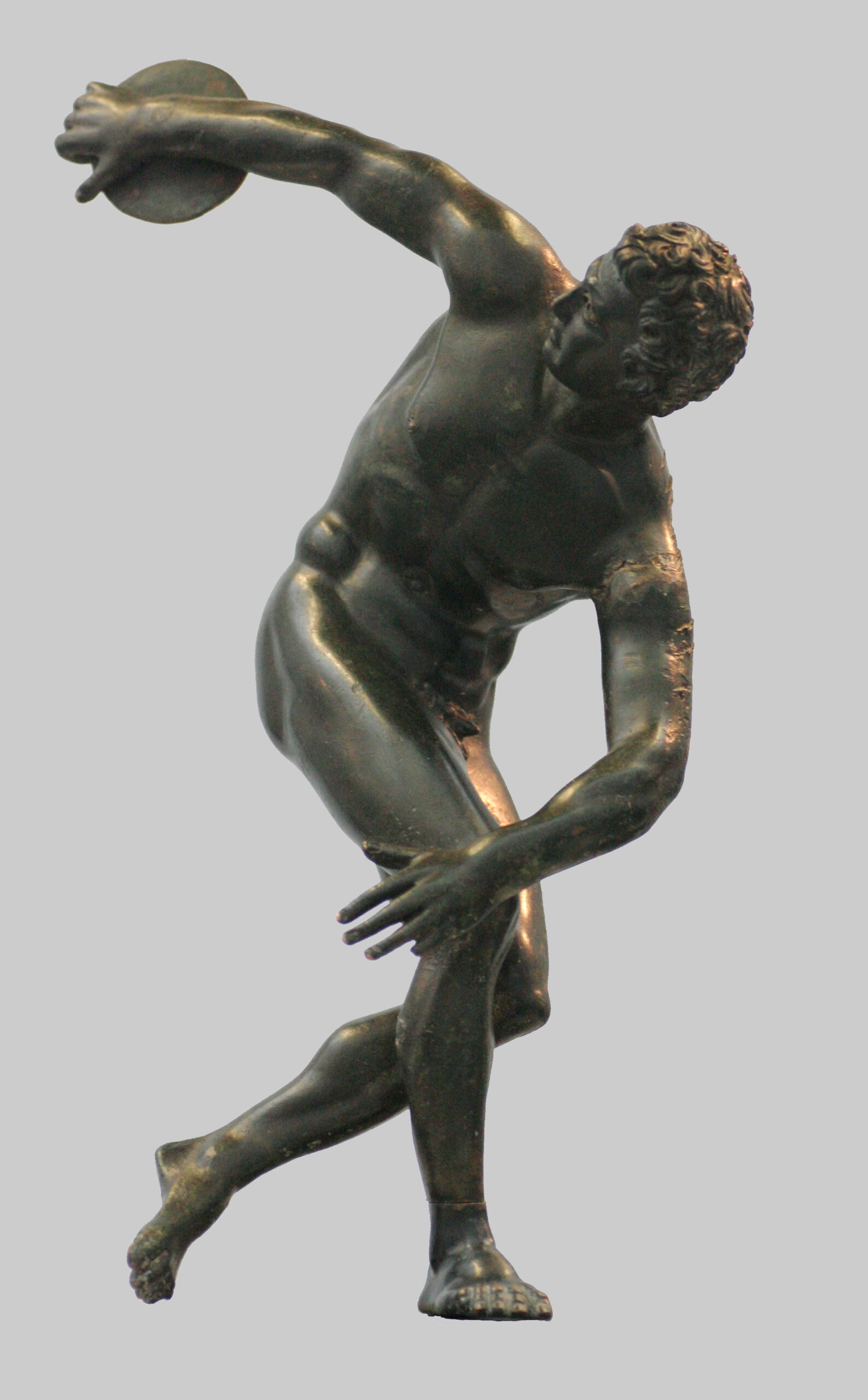
We do not usually file sport under art, but the boundary is thinner than it looks. The ancient Greeks built their entire sculptural ideal around the athletic body — the Discobolus freezes a discus thrower at the coiled top of his motion, a marble photograph taken two and a half thousand years before the camera. The Renaissance studied the same thing under the name of contrapposto: weight, balance, the body caught between intentions. What sport offers the image-maker is the human form pushed to its expressive extreme, and artists have never been able to leave that alone.
Modern sports photography is the direct heir to this lineage. The greatest practitioners — Neil Leifer, whose overhead frame of Ali standing over Liston is one of the most reproduced images of the twentieth century; the agency photographers who can pre-visualise a leap before it happens — are not merely documentarians. They compose. They anticipate. They understand that a picture of a rally is not about who won the point but about geometry, suspension and effort made visible. The ball frozen above the net, six bodies arranged in a diagonal of strain, is a study in dynamic balance that any figurative painter would recognise.
There is also the matter of emotion. Sport strips feeling of its usual disguises. Triumph, collapse, disbelief and exhaustion arrive raw and unguarded, and the camera collects them. The best sports images outlive the result they record precisely because they stop being about the scoreline. Nobody remembers the final tally of most historic matches; everyone remembers the face.
This is why galleries and museums increasingly make room for the genre, and why the line between the sports desk and the art world keeps blurring. A frame from a single international fixture, properly seen, contains the same ingredients as a history painting: bodies in space, a moment of maximum tension, a story compressed into stillness.
The next time a rally ends in a blur of limbs and a held breath, look past the result. Somewhere in that instant a photographer is doing what sculptors and painters have always done — arresting the human body at the height of its eloquence, and handing it to us to keep.
Every artist’s biography contains a stretch that looks, in summary, like failure: the years of false starts, abandoned series, work that went nowhere. We tend to read past these passages quickly, impatient for the breakthrough. But ask the artists themselves and they will often describe those years as the most important — the period when they were lost, and learning, in the right direction.
There is a difference between being lost and being adrift. Adrift is passive; you go where the current takes you. Lost in the right direction is active — you are moving, testing, eliminating, even if you cannot yet name the destination. The novelist E.L. Doctorow described writing as “driving at night in the fog. You can only see as far as your headlights, but you can make the whole trip that way.” The fog is not an obstacle to the journey. It is the condition of the journey.
This is uncomfortable advice in a culture that prizes the clear plan and the measurable milestone. We are encouraged to set goals, define outcomes, work backward from a known result. But genuine creative work rarely cooperates. The painter does not know what the painting wants to be until it is half-finished and arguing back. The most a serious maker can do is choose a direction that feels true and trust the process to clarify it — to be lost, but lost toward something.
What distinguishes productive lostness from mere confusion is attention. The wanderer who notices — who keeps a sketchbook, who pays attention to what excites and what bores them, who treats every dead end as information — is quietly building a map even while feeling map-less. The work of those years is not wasted motion; it is the slow accumulation of a sensibility. By the time the direction becomes clear, the artist has already become the person capable of going there.
There is even a kind of pleasure in it, once the fear subsides. Certainty closes doors; being lost keeps them open. The period before you know what you are doing is the only period in which anything is still possible. Some artists chase that feeling for their whole lives, abandoning each style the moment it hardens into a formula, choosing the discomfort of the unknown over the safety of the mastered.
The phrase is worth keeping close on the difficult days. Not every wrong turn is a mistake. Sometimes the disorientation is the sign that you have left the well-trodden path — which is, after all, the only place the new thing could possibly be. It feels good to be lost, when you are lost in the right direction.
London Calling: A Convergence of Motion and Spirit
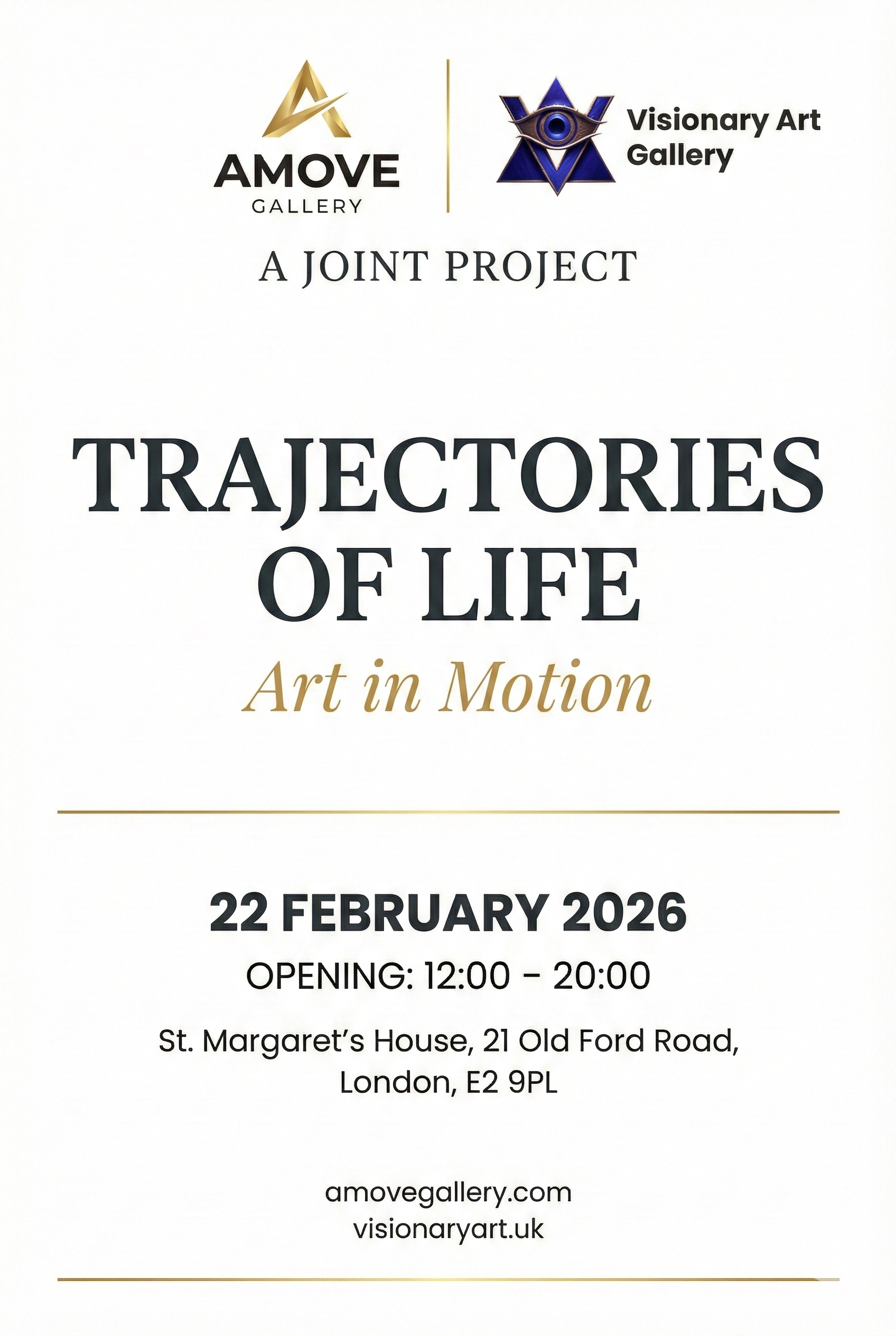
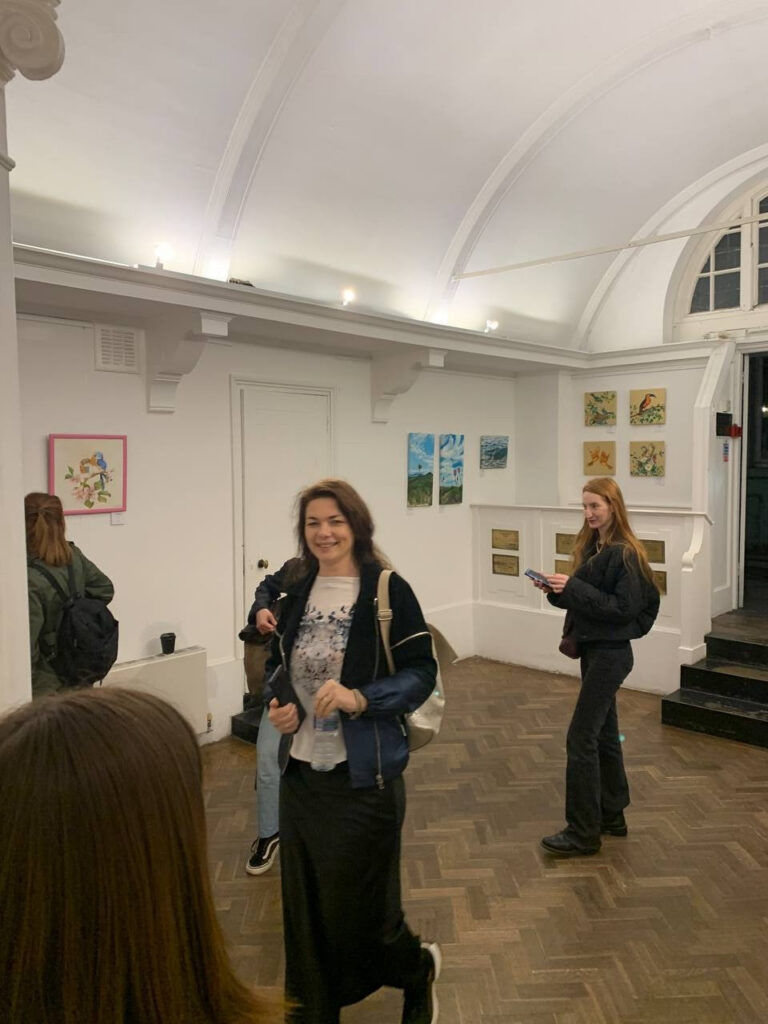
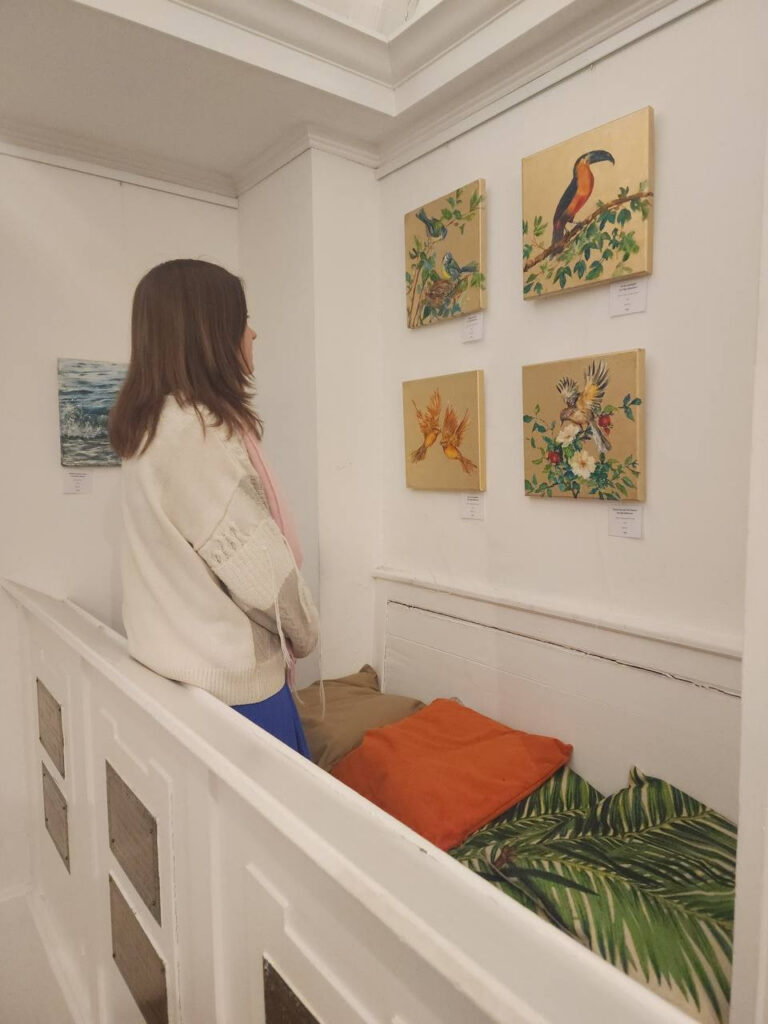
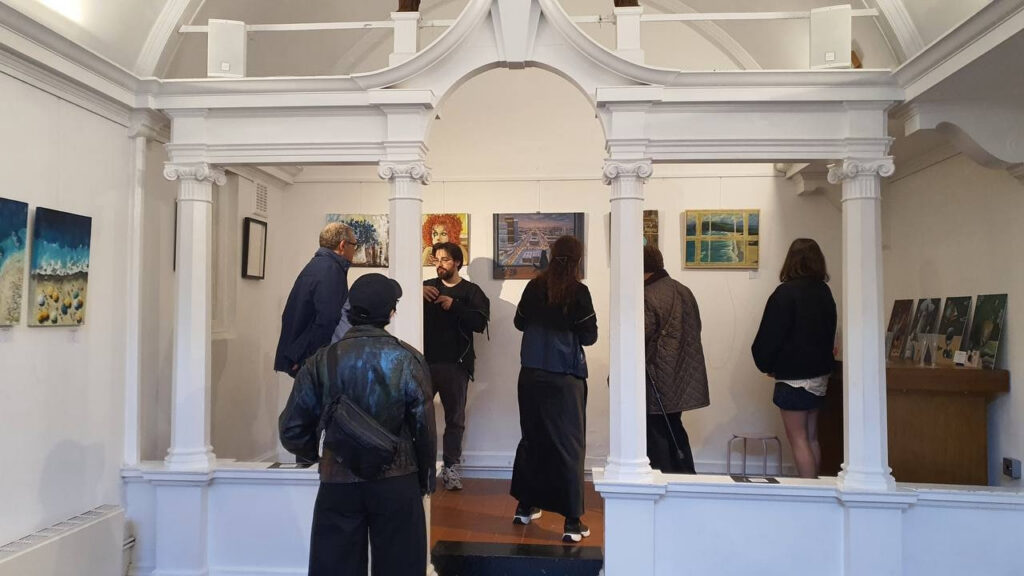
This February, Visionary Art Gallery (Ruthin, Wales) is proud to announce a landmark collaboration with London’s AMOVE Gallery (Romford, London). Together, we present “Trajectories of Life: Art in Motion”, a curated exploration of how we move through the physical world and how the spirit traverses the metaphysical.
Art is never static; it is a living, breathing entity that evolves with time. In keeping with our mission to showcase art that transcends the ordinary, we are thrilled to bring our curated selection to the heart of London at the historic St. Margaret’s House.
A Curatorial Dialogue: Wales Meets London This exhibition represents more than just a display of works; it is a strategic and creative dialogue between two cultural hubs. Under the expert guidance of Curator Irina Bogatikova, by joining forces with AMOVE Gallery, we are bridging the distance between the serene landscapes of Wales and the dynamic urban pulse of London.
The concept of “Trajectories of Life” delves into the philosophical triad of Meaning, Beauty, and Time. It asks a poignant question relevant to every viewer: where are we going today, and what do we choose to take with us?
The Texture of Time Visitors to St. Margaret’s House will be invited to explore parallel realms. The exhibition contrasts the tangible—the hustle of city streets, the architecture of civilization—with the intangible flight of the human spirit.
We explore time not as a linear constraint, but as a textured material:
Frozen within the rigid lines of architectural forms.
Fluid and alive in the thick, expressive impasto of painting.
Eternal in the contemplation of nature and the future.
Selected Highlights The exhibition features a compelling roster of artists whose work embodies the theme of motion, bridging the gap between emerging and established voices. Highlights include:
Victoria Chichinadze: Her bronze sculpture, River of Time, anchors the exhibition, offering a solid, tactile representation of the ephemeral nature of our days.
Zibeyda Seyidova: The Breath of the Hidden series invites viewers to look beyond the veil of reality into the mysteries of the subconscious, playing masterfully with light and shadow.
Natrix Vibakari: With the Inner Demons series, we confront the internal motions of the psyche—the intimate battles and spiritual movements that happen within us.
Art Liard: Her series Chronicles of Matter invites viewers to contemplate the delicate, transient beauty of nature, captured through the exquisite, layered depiction of a rose suspended in time.
Tatiana Kiseleva: In Water, Kiseleva masterfully captures the dynamic, bubbling fluidity of the elements through rich, deeply textured oceanic hues.
Nataliia Pivovarova: Her piece Butterfly captures the essence of transformation and the fleeting beauty of the present moment in a burst of vibrant watercolor.
Irinir: Pink Desire offers a deeply textural, visceral exploration of emotion, bringing raw feeling to the surface of the canvas.
Katerina Bogina: Who is in charge? presents a striking existential tableau, contrasting human silhouettes against a blazing, monumental sun to question our place in the universe.
Kate Karp: With Sanguine Observer, Karp utilizes striking, thick impasto to create a piercing red eye that actively watches the viewer, blurring the line between the observer and the observed.
Yulia Tulegenova: Oh, My Heart translates the passionate, rhythmic beating of life into a vortex of thick, expressive reds and pinks.
Egor Koltsov: The First Imprint playfully examines the timeline of human creativity, juxtaposing a stylized modern perspective with ancient cave paintings to explore how art moves through millennia.
Maria Babina: Schism and Synthesis explores duality and conflict, visually splitting the canvas between stark black and white, united only by a chaotic, textured burst of red.
Anastasiia Belyaeva: Her Abstraction evokes the swirling, untamed currents of nature, weaving deep, kinetic blues with brilliant metallic golds.
Anna Kapranchuk: My Friend Has a Dream About… pulls the audience into a surreal, mixed-media dreamscape that traverses the deep recesses of memory and the human subconscious.
Join Us at the Opening We invite our patrons, collectors, and friends of the gallery to join us for this special event. This is an opportunity to witness the synergy of two galleries committed to moving ideas and culture across borders.
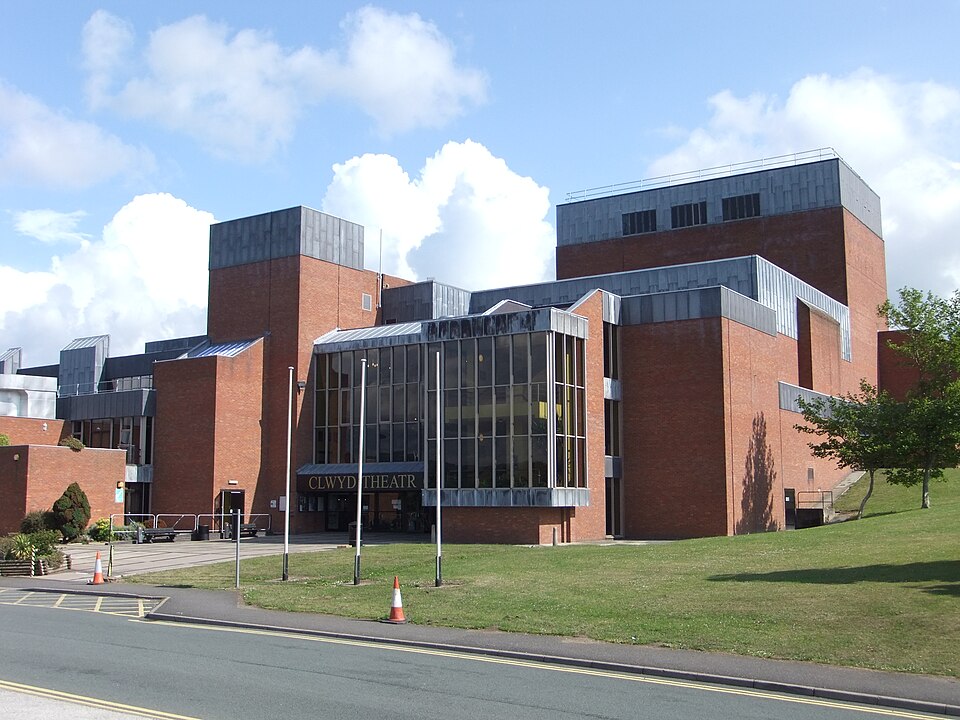
The landscape of Welsh theatre has shifted significantly this week with Theatr Clwyd’s unveiling of Stiwdio Clwyd, a major new infrastructure project designed to incubate talent within Wales rather than seeing it drain away to London or Manchester. Artistic Director Kate Wasserberg and Executive Director Liam Evans-Ford have positioned this not merely as a workshop series, but as a “watershed moment”—a systemic change in how the nation nurtures its storytellers.
Breaking the Exodus Cycle
For decades, a common grievance in the Welsh arts sector has been the necessity of leaving the country to secure high-level development opportunities. Stiwdio Clwyd aims to arrest this exodus by establishing a permanent, nationwide development hub. By formalizing this support structure, Theatr Clwyd is asserting itself as a powerhouse for R&D (Research and Development), ensuring that Welsh voices have the resources to refine their craft on home soil before exporting their work globally.
Heavy Hitters at the Helm
The seriousness of this endeavor is underscored by the caliber of industry titans attached to the launch programme. The inclusion of Russell T Davies—perhaps the most significant voice in British television drama—signals that this scheme bridges the gap between stage and screen writing. Furthermore, the involvement of Daniel Evans, Artistic Director of the Royal Shakespeare Company (and a Rhondda native), provides a direct lineage to the highest echelons of classical and contemporary theatre.
The Programmatic Scope
While specific curriculum details will evolve, the launch emphasizes three core pillars:
Skill Transfer: Direct mentorship from established icons like Davies and Evans.
Networking: Connecting emerging Welsh makers with the broader UK industry without requiring relocation.
Production Pathways: Creating tangible routes for developed scripts and concepts to reach the stage.
This initiative suggests that Theatr Clwyd is moving beyond the remit of a producing house to become a foundational institution for the entire Welsh cultural ecology. If successful, Stiwdio Clwyd could serve as the blueprint for regional arts regeneration across the UK.
Children learn to play without a syllabus. Nobody teaches a four-year-old how to build a world out of cardboard and conviction; the rules emerge from the doing, revised on the spot whenever they stop being fun. The psychologist Donald Winnicott argued that this kind of free play is not a rehearsal for creativity but creativity itself — the place where the self first discovers it can make something that did not exist before.
Artists have always known this, even when the art world forgot it. The Surrealists built entire methods out of play: exquisite corpse, automatic drawing, games designed to outwit the controlling mind. Paul Klee described drawing as “taking a line for a walk.” Bauhaus students spent their first months not on technique but on experiment — touching materials, testing what paper and wire and light would do, before anyone told them what they were supposed to make. The instruction came later, once curiosity had done the foundational work.
The phrase “for a game, you don’t need a teacher” is not an argument against teaching. It is an argument about sequence. Skill can be taught; the appetite to use it cannot. A student handed technique before desire produces competent, lifeless work — the visual equivalent of grammar with nothing to say. A student who has first played, failed, and become genuinely curious will absorb technique hungrily, because now it answers a question they actually have.
This has practical consequences for anyone trying to make things. The blank canvas is intimidating precisely because it feels like an exam. Reframed as a game — low stakes, no grade, permission to be ridiculous — it becomes approachable again. Many working artists protect a corner of their practice that stays deliberately unserious: sketchbooks no one will see, experiments with no commercial purpose, materials used wrongly on purpose. That corner is where the next real idea usually arrives, smuggled in under the cover of play.
The teacher, when they come, is best understood as someone who clears obstacles and points at doors — not someone who hands over a map. The territory still has to be explored on foot, and the explorer has to want to go. Mastery is downstream of motivation, and motivation, more often than not, begins as a game.
So before the lessons, before the rules, before the anxious question of whether you are doing it correctly: play. The work that matters tends to start there, in the place that needs no teacher at all.
The line is usually attributed to Henri Cartier-Bresson: “Your first 10,000 photographs are your worst.” Whether he said it exactly that way is disputed — the sentiment has been claimed for several photographers — but its endurance suggests it touches something true. Mastery in photography is not won at the moment of purchase. It is accumulated, frame by mediocre frame, over years.
What makes the early thousands so poor is rarely the equipment. It is the eye. A beginner photographs the thing that excited them — a sunset, a face, a street — and is disappointed to find the picture flat, because the camera recorded the scene but not the feeling. The feeling lived in context: the temperature of the air, the sound, the anticipation. Photography’s hardest lesson is that none of that transmits automatically. It must be built into the frame deliberately, through composition, timing, light and exclusion.
Cartier-Bresson’s own answer was the “decisive moment” — the instant when form and content align, when the geometry of a scene and its human meaning lock into place for a fraction of a second. He waited for it with a patience that looks, in retrospect, almost devotional. He shot far less than people assume; his genius was in seeing, and the camera merely confirmed what the eye had already chosen.
This is why the digital era, for all its gifts, complicates the apprenticeship. When film cost money and frames were finite, every exposure carried a small tax that forced deliberation. Now we shoot freely, and the 10,000 bad photographs arrive in a weekend rather than a decade. The volume is not the problem; the absence of consequence is. Photographers who improve fastest tend to impose their own scarcity — a single lens, a fixed focal length, a self-imposed limit of thirty-six frames a day — recreating the friction that teaches.
The encouraging part of the maxim is its second clause, usually left unspoken: after the first 10,000, something shifts. The eye begins to anticipate. You stop photographing what is in front of you and start photographing what a picture of it could become. The failures were not wasted; they were the curriculum.
So the advice to any beginner is unromantic but liberating: make the bad pictures, all of them, as quickly and as attentively as you can. Look hard at why they fail. The worst photographs you will ever take are the ones standing between you and the ones worth keeping — and the only way past them is through.
Updated 29 August 2026 to cover her runway debut at the Dolce & Gabbana Alta Moda show in Sicily on 13 July 2026.
On the evening of 13 July 2026, in a botanical garden outside Giarre on the eastern coast of Sicily, a sixteen-year-old walked out first. Dolce & Gabbana had built its Alta Moda show around the goddesses of Olympus and called it Le Devote delle Dee dell’Olimpo. The girl who opened it wore a one-shoulder gown of black tulle carrying three-dimensional flowers, roses and carnations and hydrangeas crowded together until the dress read less as clothing than as a garden lifted off the ground. Her hair, dressed by Guido Palau, had gypsophila worked through it. She carried a bouquet.
Her name is Léonie Cassel. Her mother, Monica Bellucci, watched from the front row. Within seventy-two hours the debut had been written up in Italy, France and beyond, and a name that had spent sixteen years being deliberately kept out of print became, briefly, one of the most searched in European fashion.
What follows is an attempt to say what actually happened, and why a single appearance on a runway matters more in this particular family than it would in almost any other.
The night in Giarre
Alta Moda is not a fashion show in the ordinary sense. It is Dolce & Gabbana’s couture arm, staged once a year in an Italian location chosen for its theatre, in front of a few hundred clients who have flown in for it. Nothing on the runway is bought from a rail. Each piece is made for a named customer or made to be commissioned, and the evening functions as a private view for people who buy at that level.
The 2026 edition returned the house to Sicily, which is where its founders have always gone when they want the clothes read as belonging somewhere. The venue was Radicepura, a botanical park at Giarre on the slope below Etna, planted with Mediterranean and subtropical species and normally given over to a garden festival. Staging a couture show among living plants is a decision that shapes everything: the dresses have to survive comparison with the setting.
Opening such a show is not a small assignment handed to a beginner. The first look sets the argument of the collection, and the house chooses it carefully. Giving that place to someone who had never walked a runway before is a statement about the house’s confidence, and about the name.
A fortress of normalcy
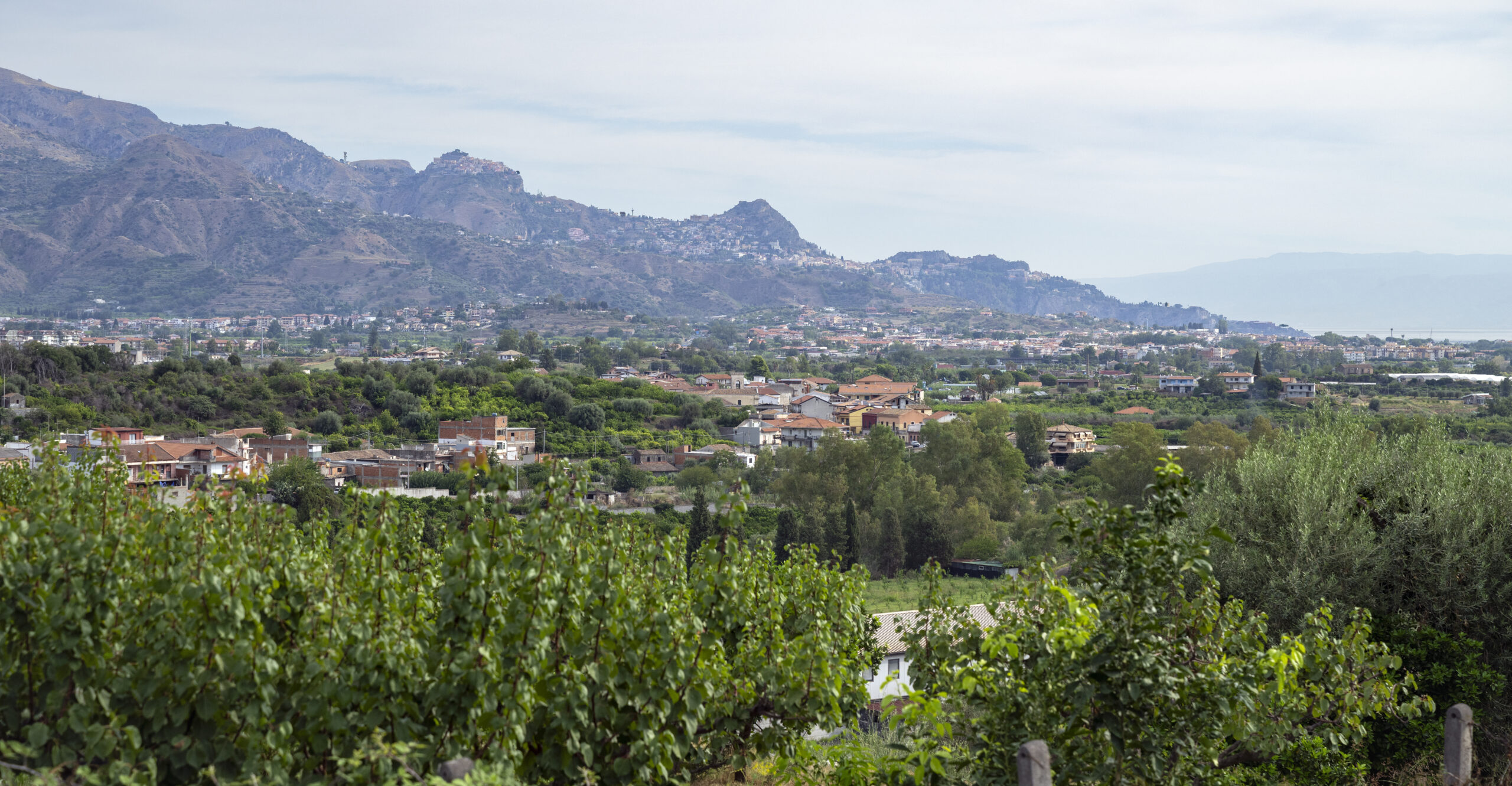
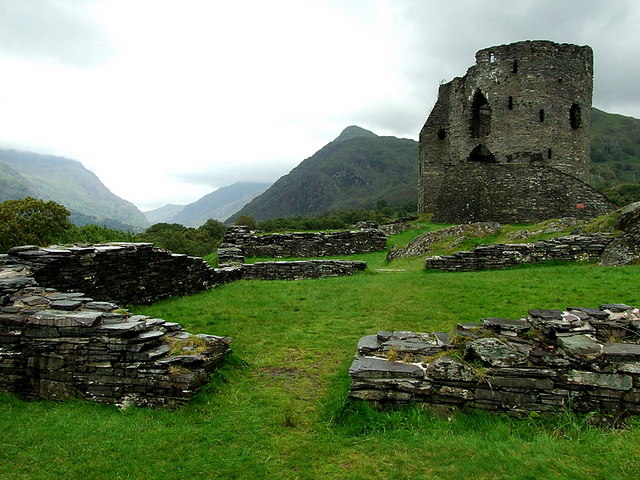
Taormina and Castelmola on the eastern coast of Sicily, a short drive from Giarre, where the Alta Moda show was staged. Cayambe, CC BY 4.0 via Wikimedia Commons
To understand what that evening cost, you have to understand what preceded it. In the sprawling and often cacophonous theatre of celebrity lineage, some figures are defined not by presence but by carefully guarded absence. For sixteen years Léonie Cassel was such a figure.
She was born in Rome in 2010, into a dynasty already at its height. The union of Bellucci and Vincent Cassel was more than a marriage; it was a cinematic event, a fusion of two distinct European energies, one Italian and one determinedly French. Her sister Deva had arrived six years earlier. With the second birth Bellucci made a conscious and, by the standards of her profession, radical choice. She pulled back from her career. As she later put it, it was a precise choice, and when she had the children she worked much less, because that was what she needed to do.
That decision shaped everything that followed. Raised between Paris and Rome, Léonie became a child of two cultures and two languages, and was kept fundamentally out of the glare that had defined her parents’ working lives. While the machinery of fame ran on around them, the household operated as a fortress of normalcy, a place where school terms mattered more than premieres.
It is worth being precise about how unusual that is. The children of famous parents are now, as a rule, publicly legible from infancy: managed accounts, posed holiday photographs, an early and profitable arrangement with attention. What the Cassel household did instead was withhold. Sixteen years of withholding is why one runway appearance produced the reaction it did.
A different reflection
For a long time the public narrative was assembled from fragments: a grainy paparazzi frame in Milan, a fleeting glimpse at a family dinner. From those pieces a story took shape, and the story was mostly a comparison.
Deva Cassel, born in 2004, had already made the transition from scion to working model, and did so as a near-perfect echo of her mother: the same dark wavy hair, the same steady gaze, a resemblance so exact that it did half the work of casting. She has modelled for Dolce & Gabbana herself, which matters for what happened in Sicily.
Léonie presented something else. Observers noted lighter colouring and a set of features that seemed to lean toward her father’s side; there were comparisons to her paternal aunt, the actress and singer Cécile Cassel. This is the crude, almost forensic way the world assesses the children of the beautiful, but it pointed at something real. She was not a copy. Whatever she had was a synthesis, and synthesis is harder to place and more interesting when it lands.
That distinction is why the debut read as news rather than as succession. Deva’s arrival in fashion felt like a continuation. Léonie’s did not feel inevitable, and the industry pays attention to what it cannot predict.
The weight and the wings of a name
No amount of protection erases a name like Cassel. The line runs back to her grandfather, Jean-Pierre Cassel, one of the defining French screen actors of his generation, a dancer’s presence in the cinema of the 1960s who worked into old age. To be born into that is to inherit a world of film and art and an inescapable public curiosity about your face.
The family has also changed shape around her. Bellucci and Cassel married in 1999 and separated in 2013, and the ending was handled with a deliberate quietness that kept the daughters out of the reporting. Vincent Cassel’s later relationships have added children to the picture, among them a half-sister, Amazonie, with Tina Kunakey, and a son born in early 2025. It is a modern, extended arrangement, and the striking thing from outside is how little of it has been conducted in public.
The inheritance, then, is not simply beauty or access. It is a demonstrated family competence at controlling exposure. That is a rarer asset in this industry than either of the other two, and it is the one most likely to determine what happens next.
Why this house, and why her
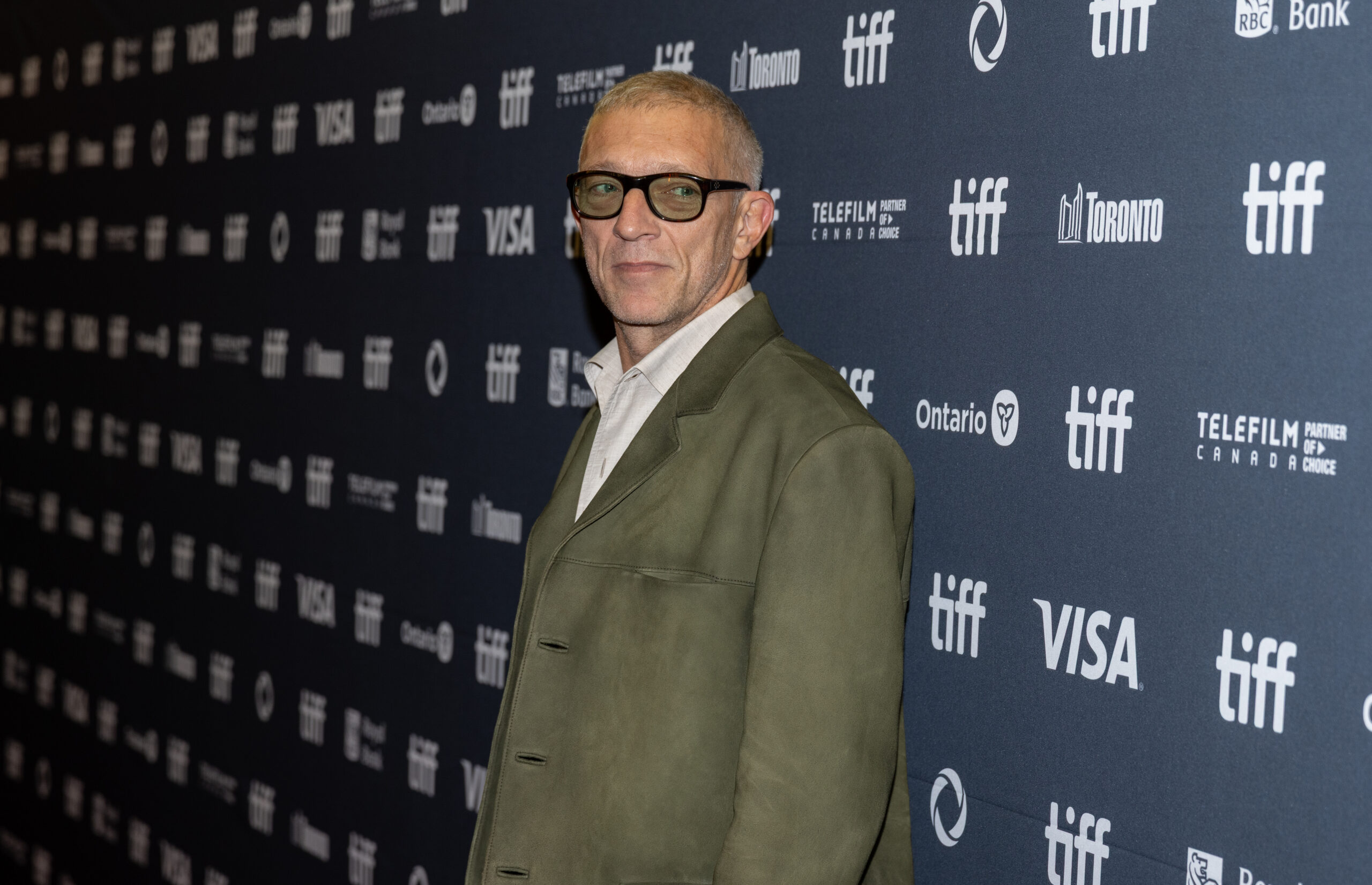
Vincent Cassel, father of Leonie Cassel, at the Toronto International Film Festival in 2025. Sara Komatsu, CC BY-SA 4.0 via Wikimedia Commons
The casting was not a coincidence and was never going to be read as one. Monica Bellucci has been associated with Dolce & Gabbana for decades, one of the faces through which the house explained itself to the world, and the relationship long predates her daughters. Deva has walked and modelled for the same house. Putting Léonie at the front of an Alta Moda show in Sicily is the house drawing a line through three points and inviting everyone to see the line.
There is a commercial logic underneath the sentiment. Couture clients buy continuity. A house that can show the same family across thirty years is making an argument about permanence that no marketing budget can buy outright, and it is doing it in front of the few hundred people whose orders fund the department.
There is also a risk, and it is worth naming. A sixteen-year-old opening a couture show is a minor placed at the centre of an adult commercial event, and the coverage that follows is not something she controls. The industry has become more careful about this than it was, with age minimums and chaperoning rules that did not exist twenty years ago, but the underlying tension does not disappear because a rule has been written. It is reasonable to find the evening beautiful and still notice the tension.
What a debut like this actually means
It is easy to overstate. One appearance does not make a career, and fashion is full of famous surnames that walked once and were not asked again. What a debut of this kind reliably produces is a set of options rather than a trajectory.
It creates a record. Before 13 July there were no professional images of her. Now there is a body of work, shot by accredited photographers, attached to a named collection and a dated event. That is the raw material every subsequent booking is made from.
It fixes a register. Opening couture in Sicily places her in a particular part of the market, closer to the ceremonial and the historic than to street casting or the sharp end of ready-to-wear. First impressions in fashion are unusually durable, and this one was chosen with care.
It transfers a decision. Until now the family controlled whether she was visible at all. After a debut the question changes: not whether to appear, but how often, and for whom, and at what point school stops being the thing that organises the year. Families who have managed this well tend to be the ones who say no a great deal in the eighteen months afterwards.
What it does not do is settle anything about talent. A runway tells you how someone moves in front of an audience for ninety seconds. It says nothing about whether they want the work, and the children of actors are, if anything, better informed than most about what the work costs.
The dress, as an object
It is worth slowing down on the garment, because couture is the part of fashion that still answers to the standards of a craft rather than a market. A gown of black tulle carrying three-dimensional flowers is not decorated after the fact. The flowers are constructed individually, in silk and organza and occasionally in materials stiff enough to hold a petal’s curve, then wired and placed so that the whole arrangement moves as one thing when the wearer walks. Roses, carnations and hydrangeas each demand a different solution: a rose is a spiral, a carnation is a fringe, a hydrangea is a crowd of small identical units that has to look accidental.
The work is measured in weeks and in named hands. That is the argument couture makes against everything else being sold in the same season, and it is the reason such a collection is shown to a few hundred people in a garden rather than broadcast to a stadium. The buyer is being shown labour, not novelty.
Placing that dress on a first-time model rather than a practised one is a deliberate reversal. A veteran presents a garment. A sixteen-year-old wearing something that elaborate is presented by it, and the house was plainly willing to let the dress do the carrying.
The dynasty question, without the sneer
The debut arrived into an argument that fashion and film have been having loudly for several years about inherited access. The shorthand is unkind and not very useful, because it treats every case as identical when the interesting differences are all in the particulars.
Two things are true at once. Access is real: a surname opens a door that talent alone would take years to reach, and pretending otherwise insults everyone standing outside it. And the door only opens once. Fashion is unsentimental about second bookings, and a model who cannot work is not rebooked whoever their parents are, because the client paying for the campaign has no interest in the family tree.
What a name buys, precisely, is the first appointment and the benefit of the doubt. What it cannot buy is the fifth year. The useful test is therefore not whether the debut was fair but what the record looks like in 2029, and nobody can answer that yet, including the house that cast her.
There is also a version of this story that is simply about a family business. Fashion has always worked through continuity, and the industry that photographed Bellucci at twenty-five was never going to be indifferent to her daughters. The only genuinely unusual element here is the delay: sixteen years is a long time to keep the door shut when it would have opened at any point.
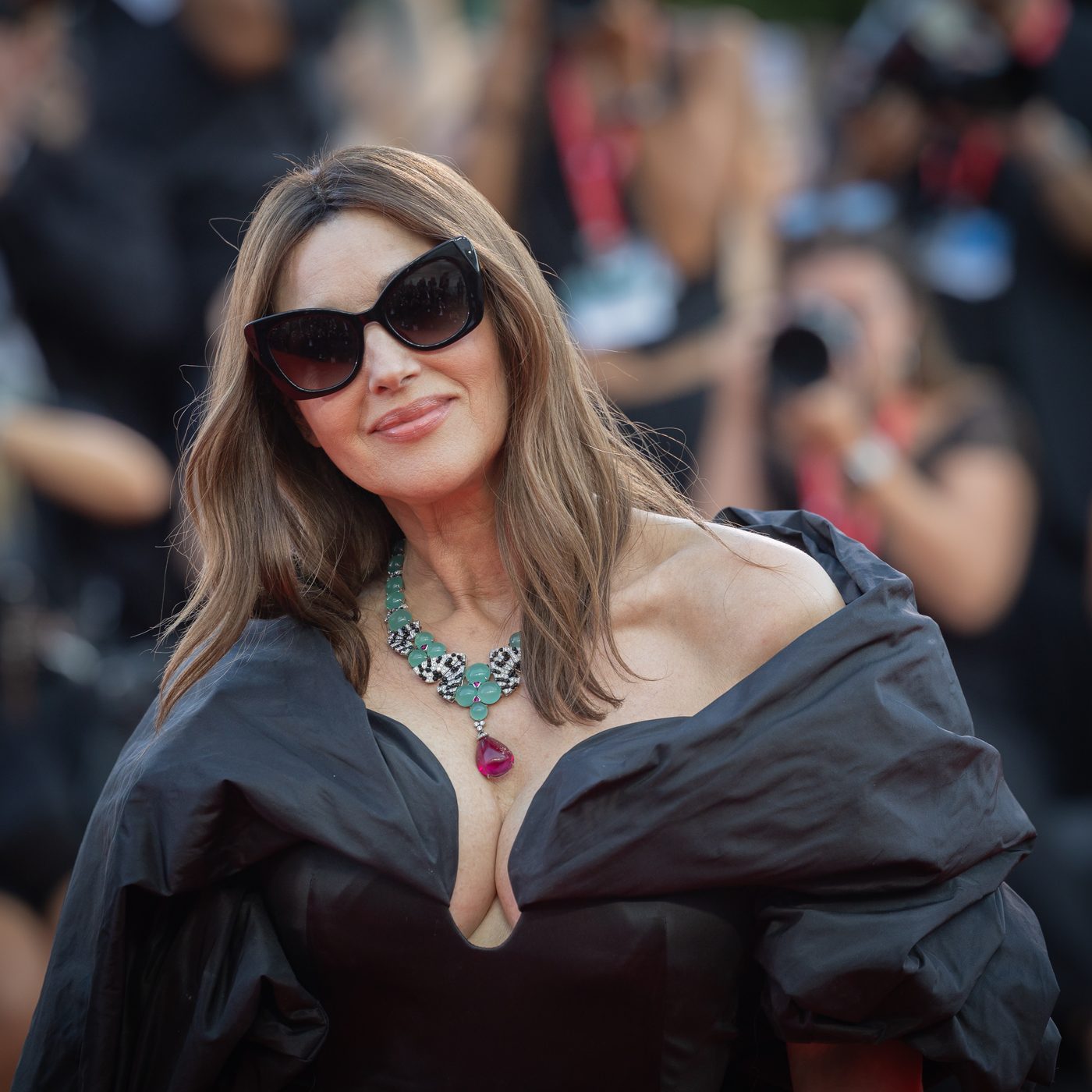
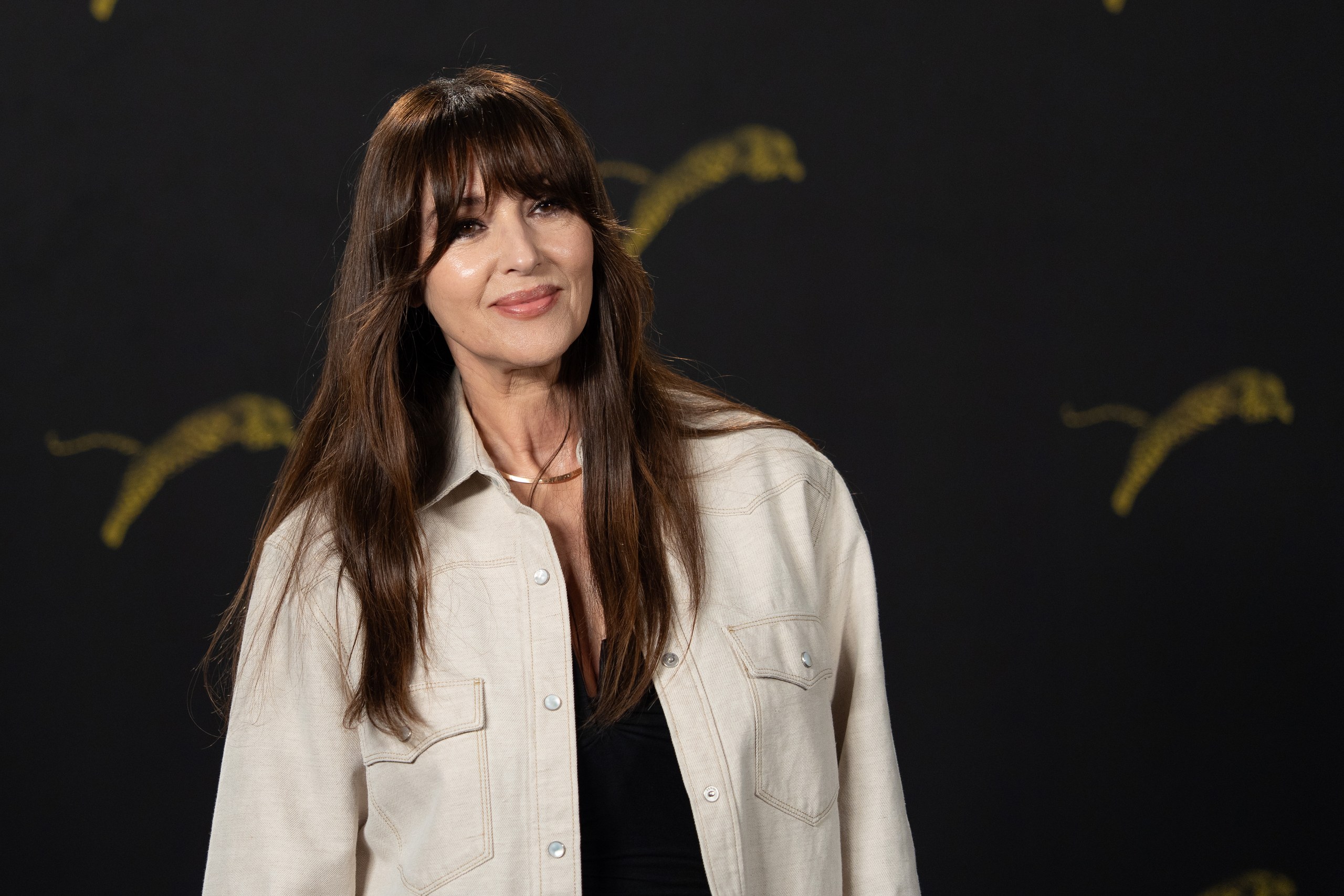
Monica Bellucci at the 79th Locarno Film Festival in August 2026, weeks after her daughter’s debut in Sicily. Kalai Ramu, CC BY-SA 4.0 via Wikimedia Commons
Questions readers ask
Who is Léonie Cassel?
She is the younger daughter of the Italian actress Monica Bellucci and the French actor Vincent Cassel, born in Rome in 2010 and raised between Rome and Paris. She was sixteen when she made her runway debut in July 2026.
When did she make her runway debut?
On 13 July 2026, opening the Dolce & Gabbana Alta Moda show at Radicepura in Giarre, Sicily. The collection was titled Le Devote delle Dee dell’Olimpo.
What did she wear?
A one-shoulder black tulle gown covered in three-dimensional floral appliqués, including roses, carnations and hydrangeas, with gypsophila worked into her hair by Guido Palau. She carried a bouquet.
How is she related to Deva Cassel?
Deva, born in 2004, is her older sister and an established model who has worked with Dolce & Gabbana. The comparison between the sisters has shaped most of the writing about Léonie, usually to the point of obscuring her.
Why was her debut treated as significant?
Because of the contrast. Her parents kept her out of public view for sixteen years, so there was no accumulated familiarity to blunt the moment, and because opening an Alta Moda show is a position a house assigns deliberately rather than casually.
Is she a professional model now?
One appearance is not a career. She has a debut and a set of professional images; whether that becomes a working life depends on decisions that have not been made publicly, and on a family with a long record of declining exposure.
After the flowers
The dress in Giarre will be remembered as an image before it is remembered as a garment, which is what couture is designed to achieve. For the house it was a night of continuity. For the audience it was a striking picture. For the person wearing it, it was the end of a period of privacy that her mother spent a career protecting.
The interesting question is not whether she will be photographed again. She will. It is whether the same discipline that kept her out of view for sixteen years can be applied to the next sixteen months, when every house in Europe now knows her name and the easiest thing in the world is to say yes.
There is a particular silence that hangs over the slate quarries of North Wales. It is not the gentle quiet of an untouched wilderness. It is a heavy, deep silence, weighted with the ghosts of noise: the sharp crack of splitting rock, the rumble of wagons on iron rails, the distant shouts of men, and the relentless, percussive tapping of a thousand hammers and chisels. Stand on the edge of the great, man-made canyon of Dinorwic, and you are standing on the edge of a void, both physical and historical. This landscape was not born; it was violently made. And for generations, it unmade the men who worked it.
Into this silence, the Welsh Government has spoken. An investment of £3.3 million has been directed to the National Slate Museum in Llanberis, the institution charged with keeping this story alive. The funding is earmarked for redevelopment: a new learning centre, better access, refreshed exhibitions. On the surface, it is a piece of practical, administrative news. But its real significance is profound. This is more than an upgrade to a tourist facility. It is a down payment on a debt of memory, a crucial act of cultural preservation for an industry that roofed the nineteenth-century world and, in doing so, forged a defining, brutal, and beautiful part of the Welsh identity.
An Industry Etched in Grey
To understand why this matters, one must understand slate. Not as a building material, but as a geological destiny. The Cambrian slate belt that runs through this part of Wales is a seam of compressed, fine-grained mudstone, possessing a unique quality: it cleaves, perfectly, into thin, durable sheets. For centuries, this “grey gold” was hacked from the hillsides on a small scale. Then the Industrial Revolution arrived, and the demand for roofing material exploded. Welsh slate became the default. It covered the factories of Manchester, the terrace houses of London, and the municipal buildings of the British Empire, from Melbourne to Montreal.
The scale of the extraction was almost geological in itself. Mountains were hollowed out, terraced into vast, inverted ziggurats. Villages like Llanberis, Bethesda, and Blaenau Ffestiniog became company towns, their existence dictated by the rhythms of the quarry horn. The work was breathtakingly dangerous. Men and boys worked on narrow ledges, hundreds of feet in the air, in all weathers. Rockfalls were common. The air was thick with a fine, grey dust that settled in the lungs, leading to silicosis, the slow, suffocating quarryman’s disease.
This brutal reality forged a unique and resilient culture. The quarrymen were not an amorphous labour force; they were a highly politicised, literate, and non-conformist community. Inside the quarry, they worked in small, cooperative teams. During their lunch breaks, they gathered in stone huts known as cabans. These were not mere mess rooms. They were informal parliaments, debating chambers, and universities of the working man. Here, in the Welsh language, they discussed politics, theology, and poetry. They organised unions and chapels. They orchestrated some of the longest and most bitter industrial disputes in British history, most famously the Penrhyn Quarry strike, a three-year struggle for dignity and fair pay that tore the community apart.
The slate industry was, in a very real sense, a crucible of modern Welsh identity. It was intensely Welsh-speaking, fiercely political, and deeply rooted in a specific, unforgiving landscape. To forget the story of slate would be to induce a form of national amnesia.
More Than a Museum
The National Slate Museum is the primary bulwark against this forgetting. Housed in the former Victorian engineering workshops of the Dinorwic Quarry, it is a remarkable place. It is not a sterile collection of artefacts behind glass. It is a living museum, where the air still smells of oil and steam. The great waterwheel, once the largest in Britain, still turns. Craftsmen give daily demonstrations of splitting slate, their hands moving with an inherited economy of movement, transforming a rough block into a perfect roofing slate with a few deft taps. To visit is to step directly into the world of the men who worked here.
But time takes its toll on buildings, as it does on memory. The new funding, which brings the Welsh Government’s total contribution to £5.8 million, is designed to secure this legacy for a new generation. The planned redevelopment is about more than a new café and shop. It is about creating new spaces for learning, about offering training in the traditional heritage skills that are themselves an endangered craft, and about making the entire site more accessible, ensuring the story can be shared with everyone.
When Culture Minister Jack Sargeant visited the site, he framed the investment as part of a wider commitment. He spoke of a “transformation journey,” connecting the work at Llanberis to the renewal of Theatr Clwyd and the creation of the new Football Museum in Wrexham. This is a crucial point. The investment is not an isolated act of generosity. It is part of a coherent strategy to strengthen Welsh culture by investing in the specific, local institutions that embody it. As the minister noted, this spending is “woven into budgets across Welsh Government,” from education to community regeneration. It is an acknowledgement that culture is not a luxury, but the very fabric of a healthy society.
From Local Industry to Global Heritage
The timing of this investment is significant. In 2021, the slate landscape of Northwest Wales was designated a UNESCO World Heritage site. This placed it on a par with the Pyramids of Giza and the Great Wall of China. It was a moment of global recognition for the industry’s world-changing impact and the unique culture it fostered.
Yet there is always a danger that a UNESCO badge can become a glossy sticker, a brand for tourism that papers over the complex, often painful, reality of a place. It can embalm a landscape, turning it into a static monument. This funding does the opposite. It ensures that the UNESCO designation is a living reality. It translates global prestige into local benefit, creating jobs, providing training, and strengthening the very community whose ancestors carved out the landscape being celebrated. It ensures the World Heritage site is not just a place to be looked at, but a place to be understood, engaged with, and learned from.
Perhaps the most striking thing is how this project aims to reanimate the past. It seeks to do for the story of slate what the quarrymen did for the rock itself: to take something dense and seemingly impenetrable, and cleave it open, revealing the intricate layers within. By creating new learning spaces and offering training in heritage skills, the museum is not just preserving history; it is trying to create a dialogue with it. It is building a bridge between the silent, imposing quarries and the generations who will never hear the noise that once filled them.
This work is a quiet act of defiance against the entropy of time. It is a declaration that this story—of hardship, of solidarity, of a language and a culture that survived against the odds—will not be allowed to fade into the grey silence of the hills. It is a promise to the ghosts of the quarrymen that their labour, and their lives, will be remembered.
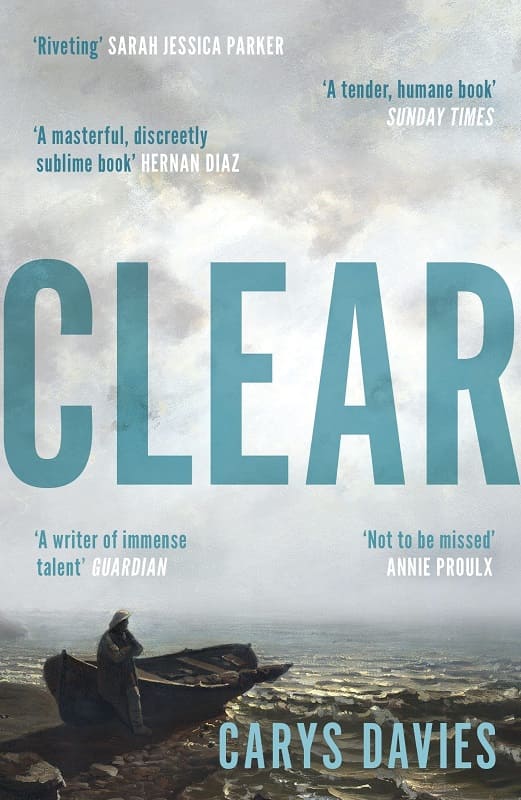
Carys Davies has won the 2025 Wales Book of the Year award for her novel, Clear. The winner was revealed at a ceremony at Cardiff’s Sherman Theatre, hosted by Literature Wales.
Davies receives a £4,000 prize and a trophy designed by the artist Angharad Pearce Jones. The book first won the Fiction Award before being named the overall English-language winner.
A Story of Two Strangers
Clear is set on a remote Scottish island in 1843. It tells the story of Ivar, the island’s only resident, who discovers a man washed up unconscious on the shore.
The stranger is John Ferguson, a minister sent to evict Ivar and prepare the land for sheep grazing. Unaware of his guest’s purpose, Ivar cares for him, and the two men form a bond without a shared language.
Carole Burns, speaking for the judges, explained their choice. “We all loved this book, for its story, for its ambition, for its sentences, for its relevance to our world today.” She added, “Excellence is always the only criteria, in the end, for a prize, and that’s true for this winning book.”
Welsh-Language Prize Awarded for Memoir
The overall Welsh-language Book of the Year was awarded to Iola Ynyr for Camu. Her book is a memoir told through a series of personal essays.
In Camu, Ynyr writes about reclaiming her memories after losing periods of her life to alcoholism and trauma. It is described as her attempt to trust that she is safe by telling her own story.
Category Winners for 2025
The Wales Book of the Year award is given in four categories for both English and Welsh-language titles. Each category winner receives £1,000.
English-Language Winners:
Poetry Award:Girls etc by Rhian Elizabeth
Creative Non-Fiction Award:Nightshade Mother: A Disentangling by Gwyneth Lewis
Children & Young People Award:A History of My Weird by Chloe Heuch
People’s Choice Award:Girls etc by Rhian Elizabeth
Welsh-Language Winners:
Poetry Award:Rhuo ei distawrwydd hi by Meleri Davies
Fiction Award:V + Fo by Gwenno Gwilym
Children & Young People Award:Arwana Swtan a’r Sgodyn Od by Angie and Dyfan Roberts